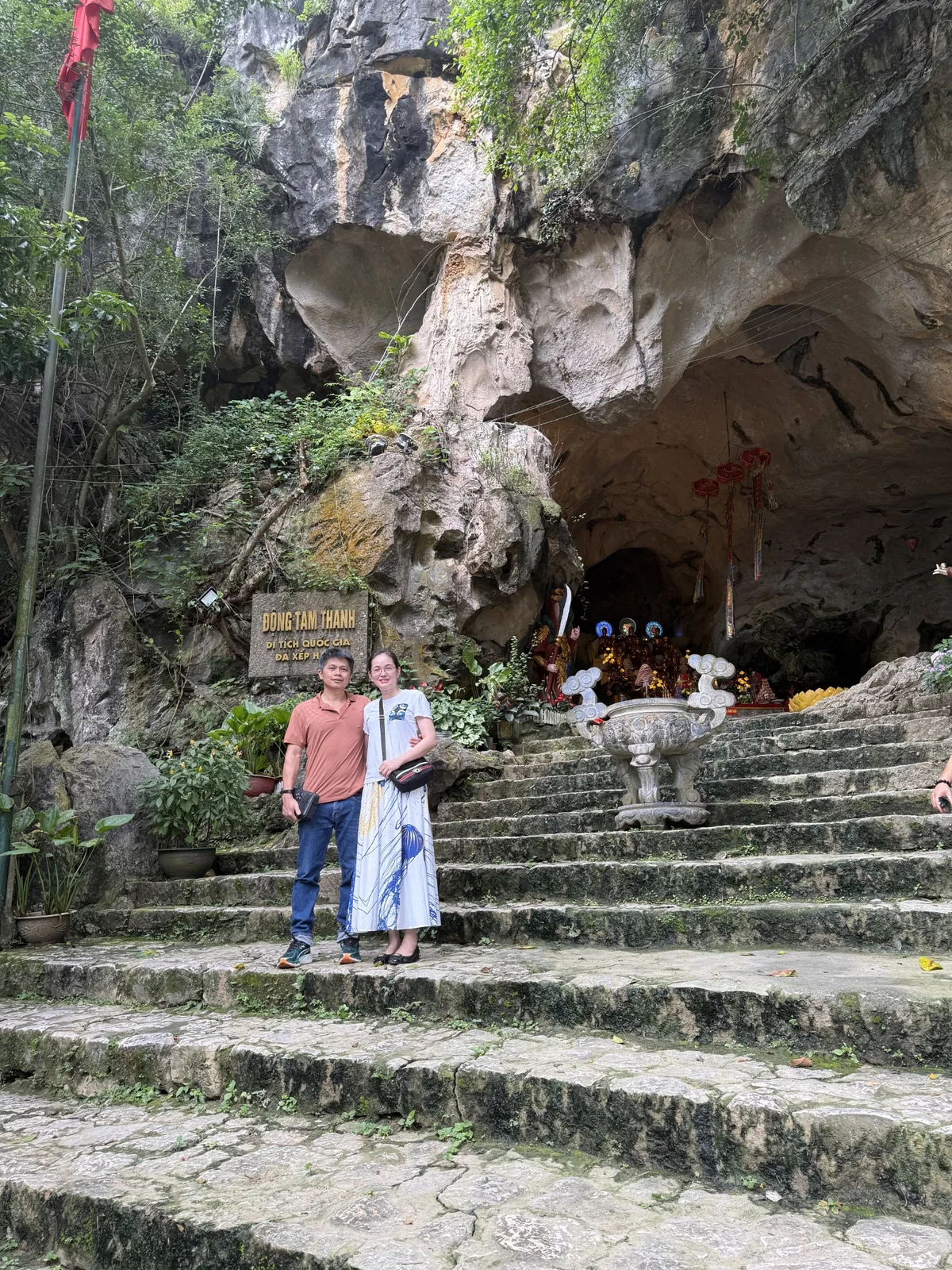
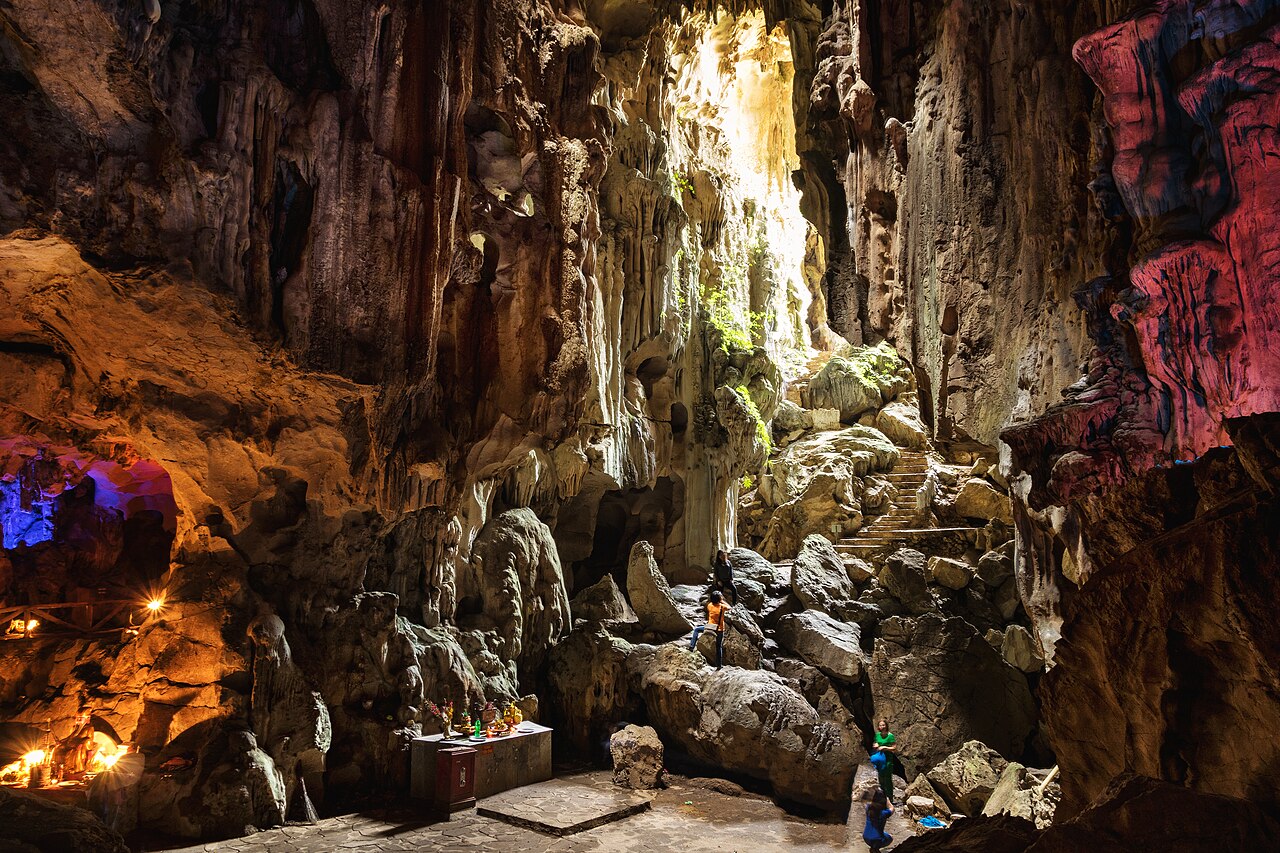
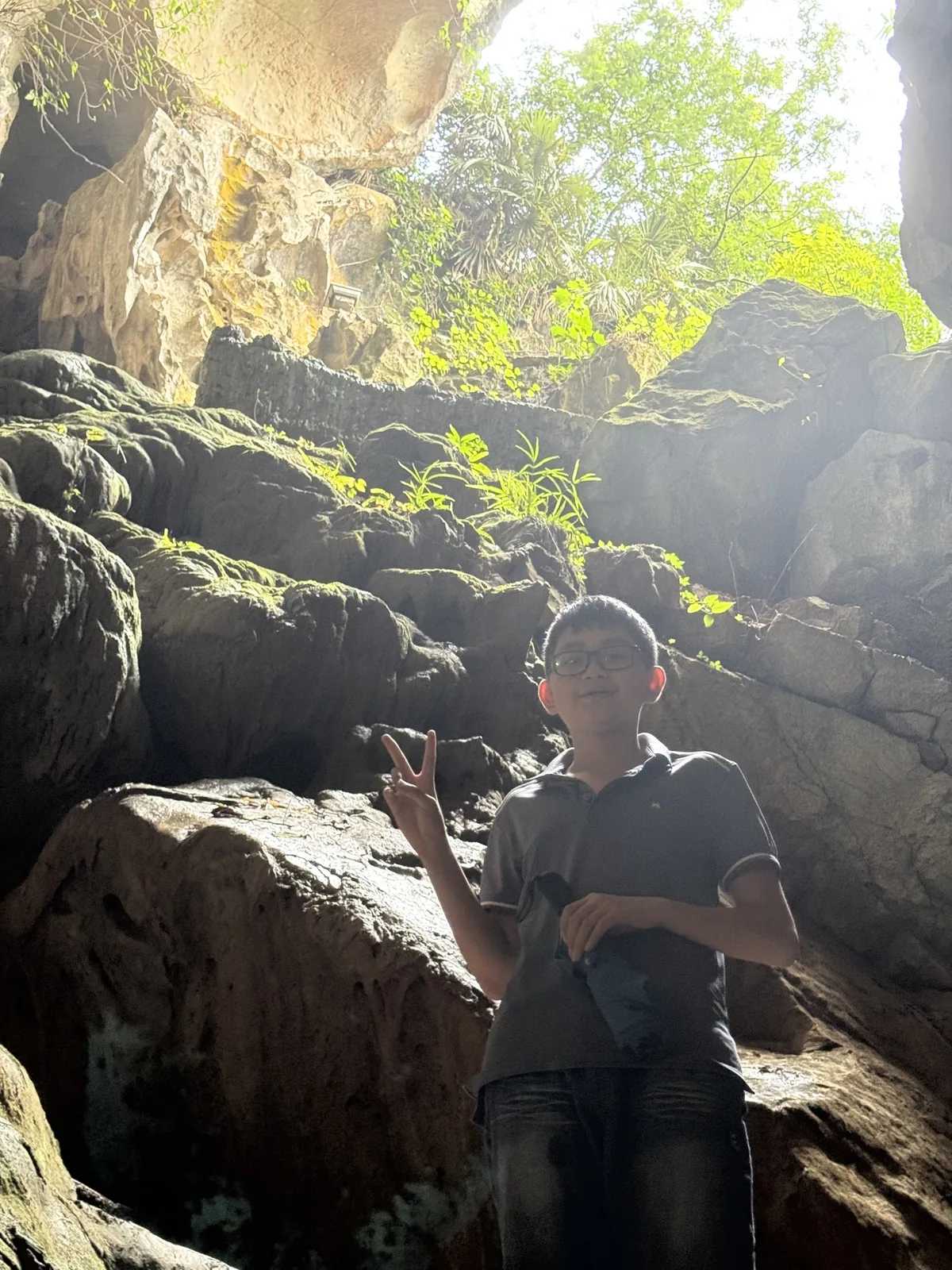
At Tam Thanh Cave, a stone stairway disappears beneath a towering limestone cliff. An incense burner stands at the entrance; beyond it, daylight gives way to cool shadows. A family photograph here captures what a landscape shot alone cannot: how small we are beside the mountain.
Yet the real surprise is not the size of the cave. It is how much of Lang Son's history has found shelter inside it.
A mountain with a written memory
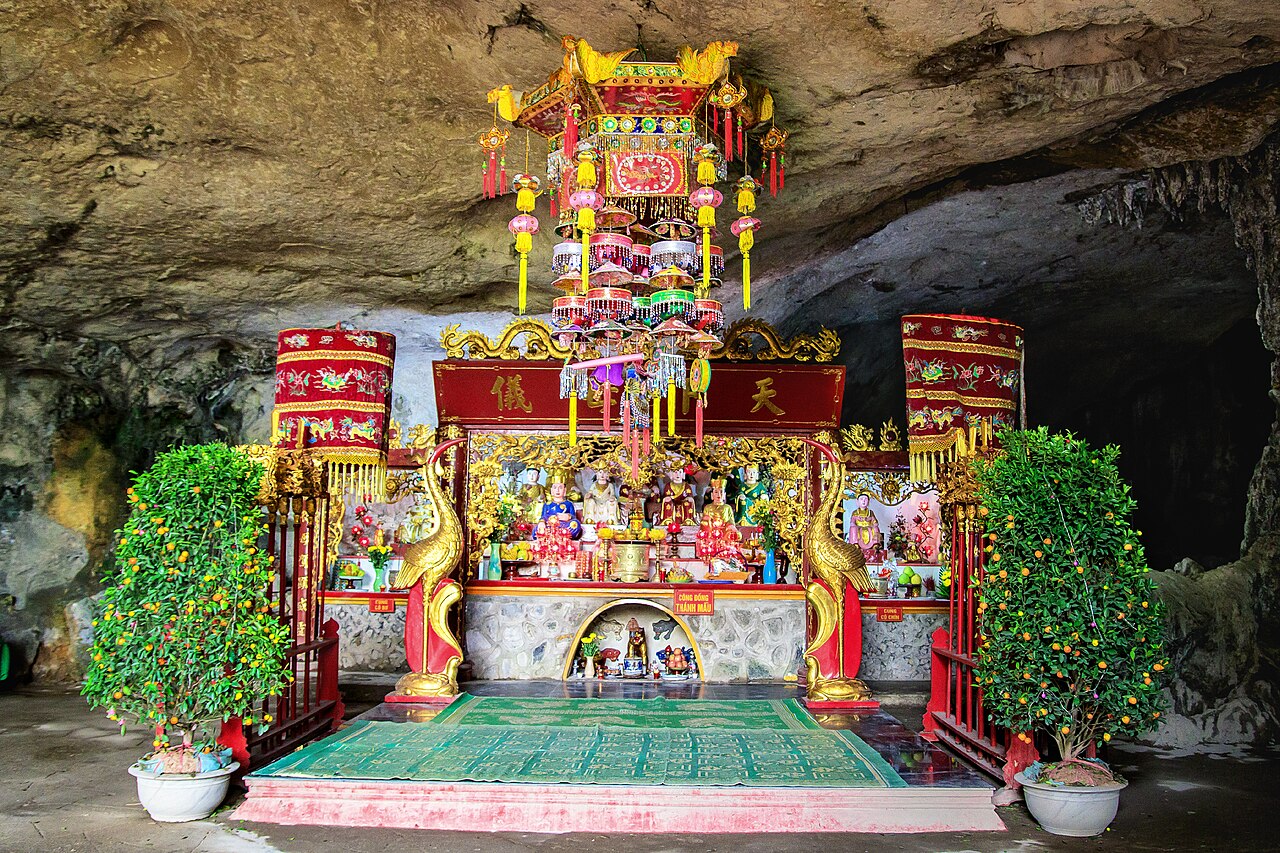
Tam Thanh is a cave temple in central Lang Son, roughly 150–160 km by road from Hanoi. Scholars generally date the temple's origins to the Le period, but its precise founding year is uncertain. The surviving evidence is more interesting than an invented date: the 1677 inscription *Trung tu Thanh Thien dong* records restoration, while a 1779 poem by scholar-official Ngo Thi Si praises the scenery. A standing Amitabha Buddha carved directly into the limestone, about two metres high, gives the mountain a human expression of devotion.
The cave also belongs to a more painful chapter of national history. According to Lang Son's cultural authority, it served as a military supply location during the resistance wars. On 17 May 1953, nine Vietnamese self-defence fighters died defending the area during a French attack. This history deserves a quiet moment of remembrance, not just a passing photograph.
The wider Nhi–Tam Thanh complex was recognised as a national relic in 1962.
The best way to spend one day here
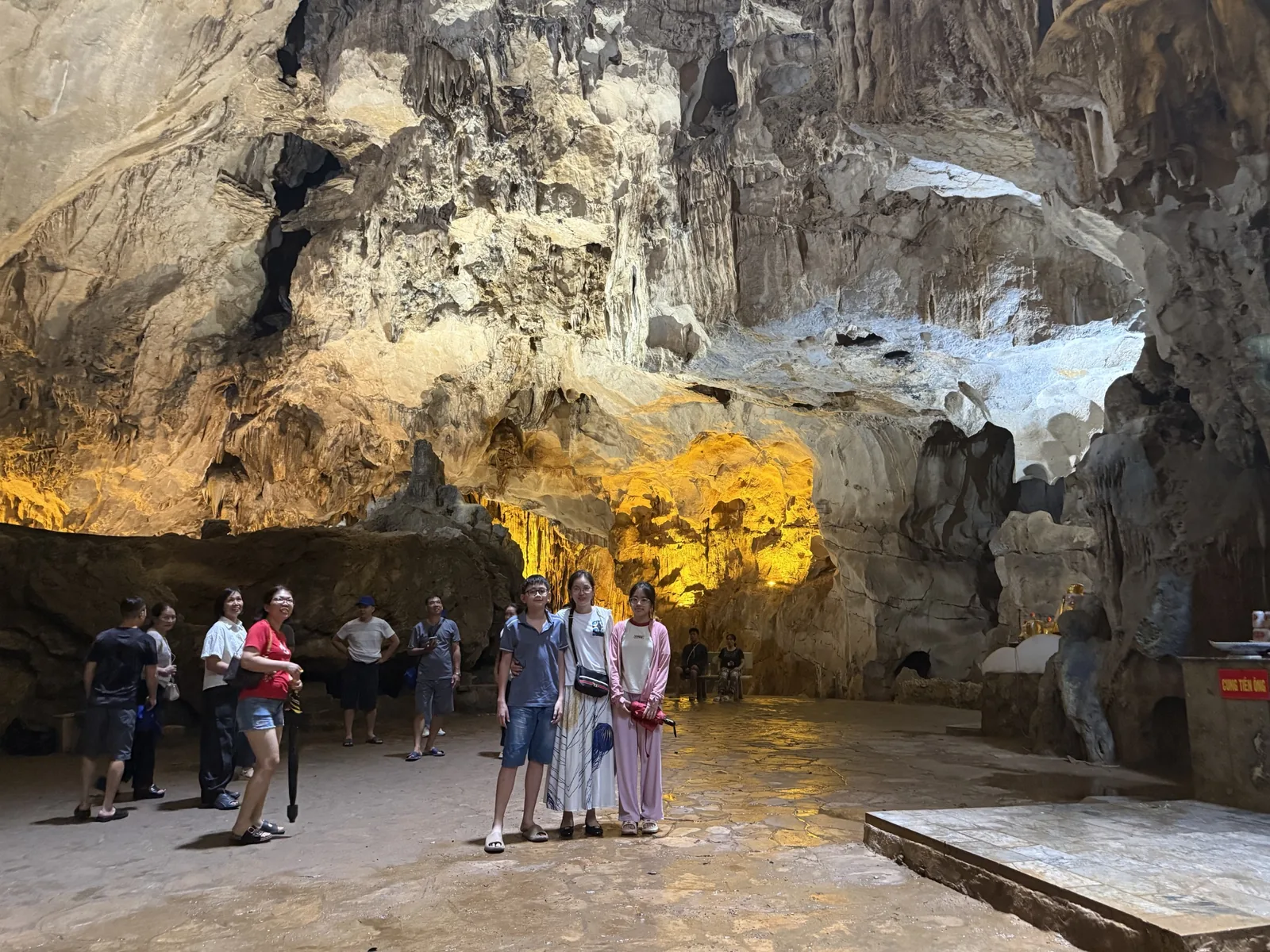
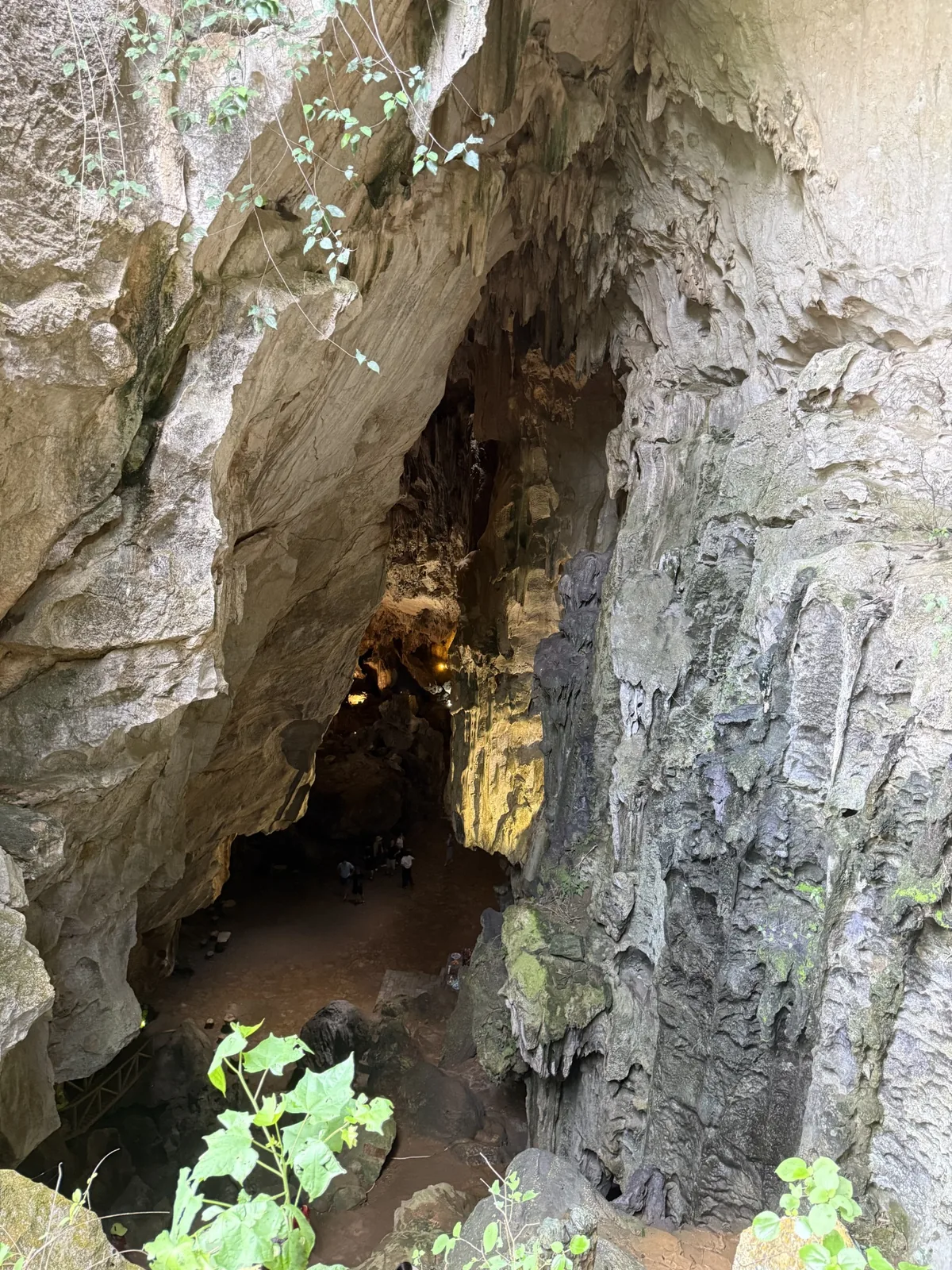
Start with Tam Thanh (about 60–75 minutes). Explore the shrine, stone inscriptions and immense chambers without rushing. Look for natural openings where sunlight reaches the rock; they are excellent places for a family photograph.
Then choose the To Thi–Mac Citadel cluster (about 60–90 minutes). The nearby To Thi Mountain preserves the legend of a wife waiting for her husband, while the remains of Mac Dynasty Citadel reveal Lang Son's role as a defended frontier. The citadel climb offers views, but is worth skipping if anyone in the group is tired or uncomfortable on steps.
After lunch, explore Nhi Thanh Cave (about 45–60 minutes). It provides the perfect counterpart to Tam Thanh: Ngo Thi Si developed the site in 1779, and its inscriptions, stream and adjoining Tam Giao temple bring his cultural legacy to life. The two caves have separate entrances. If you are using a taxi, name the cave when booking and agree on a pickup point before heading inside. These sites form a compact historic cluster.
Tam Thanh and Nhi Thanh visitor map
More stops: To Thi Mountain and Mac Dynasty Citadel
Open actual directionsThe dashed line shows the caves’ relative positions. Use the directions link for the road route. · OpenFreeMap · © OpenMapTiles · Data from OpenStreetMap
Eat well, then enjoy the city
For a quick, affordable meal, head towards Dong Kinh Market and try roasted-duck noodles at Vit Quay Dieu Huong. Duck flavoured with fragrant *mac mat* leaves is one of the tastes of Lang Son. If you want a slower family lunch, choose Thao Vien Restaurant for regional dishes such as roast duck and *khau nhuc* (braised pork). For a more formal meal, New Century Restaurant at Phai Loan Lake offers a waterside setting; do not confuse it with the separately listed New Century buffet venue.
Have 30–45 minutes at Dong Kinh Market if shopping interests you. Browsing everyday stalls and sampling local snacks can be more revealing than another rushed photo stop. Alternatively, rest by Phai Loan Lake with a drink before returning to Hanoi. Restaurant hours and menus should be checked that day.
A borderland that remains distinctly Vietnamese
Lang Son's long connection with southern China is visible in trade, food and religious practice. But the region is not merely a crossroads of borrowed traditions. Tay and Nung communities, their singing traditions and the local use of *mac mat* give the province its own voice. Tam Thanh's Buddhist shrine, the scholar's poems at Nhi Thanh and the nearby defensive citadel reveal different layers of this same borderland story.
Take home photographs, not injuries
The cave is humid and its stone steps can be slippery even on a dry day. Wear closed shoes with good grip, keep children close and avoid climbing rocks for a better angle. The entrance steps, main chamber and pools of natural light give you plenty of beautiful photographs without taking risks. Respect worshippers and do not touch fragile inscriptions.
A journey from Hanoi takes roughly 2.5–3.5 hours each way. If arriving by coach, check its drop-off point and allow time for a local transfer to the cave. Confirm opening hours, admission and access before setting out, particularly while improvements to the heritage site are planned. Leave early, keep the afternoon flexible and resist adding distant Mau Son or the Huu Nghi border gate to this particular day. The strongest memory of Lang Son may be the time you allowed yourself to stay.
Further reading on Northern Vietnam
- Pac Bo, Cao Bang: Lenin Stream and Coc Bo Cave · VietnamNook
- Planning a Tam Thanh day trip from Hanoi · VietnamTravelAdvice
- Ha Giang routes for 4–7 days · GoAsiaTrips
- A slower private journey through Ha Giang · VietnamBeyondTours