Above the cloud line at roughly 1,650 meters, Sapa rarely reveals itself all at once. On some mornings, the Muong Hoa Valley disappears beneath a white blanket before lifting abruptly at noon to expose thousands of hand-carved terraces stepping down toward the river. On others, late-afternoon light turns the hillsides into sheets of copper and gold.
Most short trips treat Sapa as a checklist: a quick photo near town, a rushed afternoon in one village, and an overnight bus back to Hanoi. Yet the landscapes that make Sapa unforgettable sit along quieter ridge paths, early-morning valley trails, and family homestays that only wake up properly after the day-trippers leave.
Editorial Note: Updated for 2026 travel conditions, including the 2025 commune administrative changes and seasonal harvest windows. Entrance fees and transport timetables change periodically—confirm current prices at official ticket booths and stations before departure.
Quick Facts: Sapa Rice Terraces at a Glance
| Detail | What to Expect | Practical Planning Note |
|---|---|---|
| Distance from Hanoi | ~320 km via expressway (5.5–6 hrs by bus/limousine) or ~7.5 hrs by overnight train to Lao Cai + 35 km mountain transfer | Train SP3 departs Hanoi/Gia Lam around 22:25 and arrives at Lao Cai ~05:50; add 50–60 mins for shuttle bus/taxi up to Sapa |
| Water-Pouring Season | May – June (mirror-like flooded terraces) | Best for dramatic sky reflections and seeing buffalo plowing and hand-planting without peak autumn hotel rates |
| Golden Harvest Season | Mid-August – Early October (ripens lower to higher slopes) | Lower Muong Hoa (Lao Chai – Ta Van) often turns gold from late August to early September; higher slopes follow into early October |
| Village Entry Fees | 75,000 VND (Lao Chai / Ta Van), 150,000 VND (Cat Cat), ~40,000 VND (Ta Phin) | Keep your ticket stub for valley checkpoints; always confirm current fee collection at the gate |
| Nighttime Temperature | 12–18°C in summer; can drop below 8°C from December to February | Pack a windproof layer year-round—mountain fog rolls in fast after 4:00 PM |

1. Reading Sapa's Color Clock: When the Terraces Actually Peak
Unlike flat-land rice paddies, Sapa's terraces do not change color on a single calendar date. Because fields climb hundreds of vertical meters up the Hoang Lien Son slopes, elevation dictates the harvest clock.
- Water-Pouring Season (May – June): Mountain streams are channeled down from step to step, turning dry clay into thousands of shallow mirrors. You will see farmers repairing bunds and transplanting bright green seedlings by hand. Afternoon clouds often clear just enough before sunset to turn the flooded steps silver and amber.
- Lush Green Summer (July – Early August): The valley turns deep emerald. Expect warm afternoons and sudden mountain showers—trails are greener, though clay paths require proper grip.
- Golden Harvest (Mid-August – Early October): Lower terraces along the Muong Hoa stream (around Y Linh Ho, Lao Chai, and Ta Van) ripen first, typically between mid-August and mid-September. Higher, cooler slopes toward Hau Thao and Ta Phin often hold their gold into late September and early October. Once cut, the fields rest brown and quiet until late April.
- Winter Mist (November – February): Terraces lie bare and dormant. Visibility can drop to a few meters in thick fog, though clear winter mornings offer crisp, crowd-free ridge views and occasional frost on Fansipan.

2. Choosing Your Valley: Where to Walk Without the Crowds
Many guides lump every village around Sapa into a single recommendation. In reality, each valley offers a completely different pace, crowd level, and walking experience.
| Village / Route | Main Communities | Typical Entry Fee (Adult) | Best For | Honest Trade-Off |
|---|---|---|---|---|
| Y Linh Ho – Lao Chai – Ta Van (Muong Hoa Valley) | Black H'Mong, Giay, Red Dao | 75,000 VND (Muong Hoa valley route) | Classic full-day trek & overnight homestays | Busiest between 10:30 AM and 2:30 PM when day groups pass through; tranquil at dawn and after 4:30 PM |
| Hau Thao – Hang Da – Giang Ta Chai | Black H'Mong, Red Dao | Valley / local trail access | Higher ridge panoramas & fewer tour buses | Steeper ascents and exposed ridgelines; muddy after rain, so hire a local guide if visibility is low |
| Ta Phin Valley | Red Dao, Black H'Mong | ~40,000 VND | Calm half-day walks & traditional Red Dao herbal baths | Separate road ~12 km northeast of town; less dramatic than Muong Hoa's canyon, but noticeably quieter |
| Cat Cat Village | Black H'Mong | 150,000 VND | A short 2-hour walk close to Sapa town | Heavily commercialized with staged photo spots and souvenir stalls along steep stone steps |
2025 Administrative Note: Older maps and booking platforms still list "Sapa District" and separate commune names. Following the July 2025 administrative reform, Ta Van Commune merged the former Hoang Lien, Muong Hoa, and old Ta Van communes under Lao Cai Province—keep this in mind when checking homestay addresses or transport drop-off points.
3. A Realistic 3-Day Slow Itinerary (Built Around Light and Quiet)
Day 1: Arrival & Higher-Ridge Orientation (Ta Phin or Hang Da)
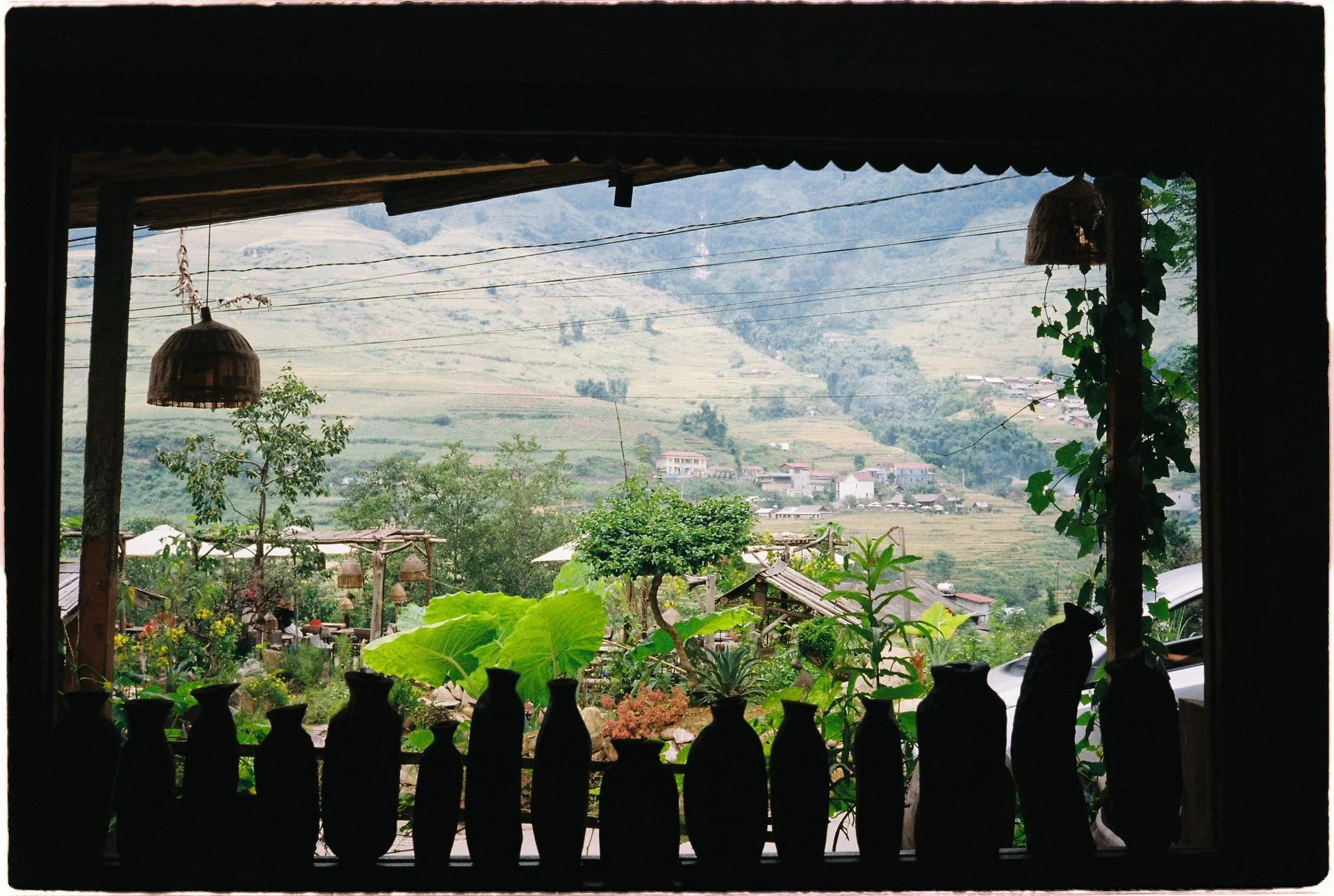
If you arrive in Lao Cai on the overnight train around 05:50, take a shared shuttle or taxi up the 35 km mountain road to Sapa town for breakfast and a hot coffee while the morning mist clears. Instead of heading straight into the busiest town viewpoints (like Moana Sapa or Cat Cat), spend your afternoon in Ta Phin Valley. Walk the quiet lane past Red Dao farmhouses, notice the terraced amphitheater framed by limestone peaks, and end the afternoon with a traditional Red Dao herbal bath before returning to town—or checking straight into a valley homestay.
Day 2: The Classic Muong Hoa Traverse — Early Start to Ta Van
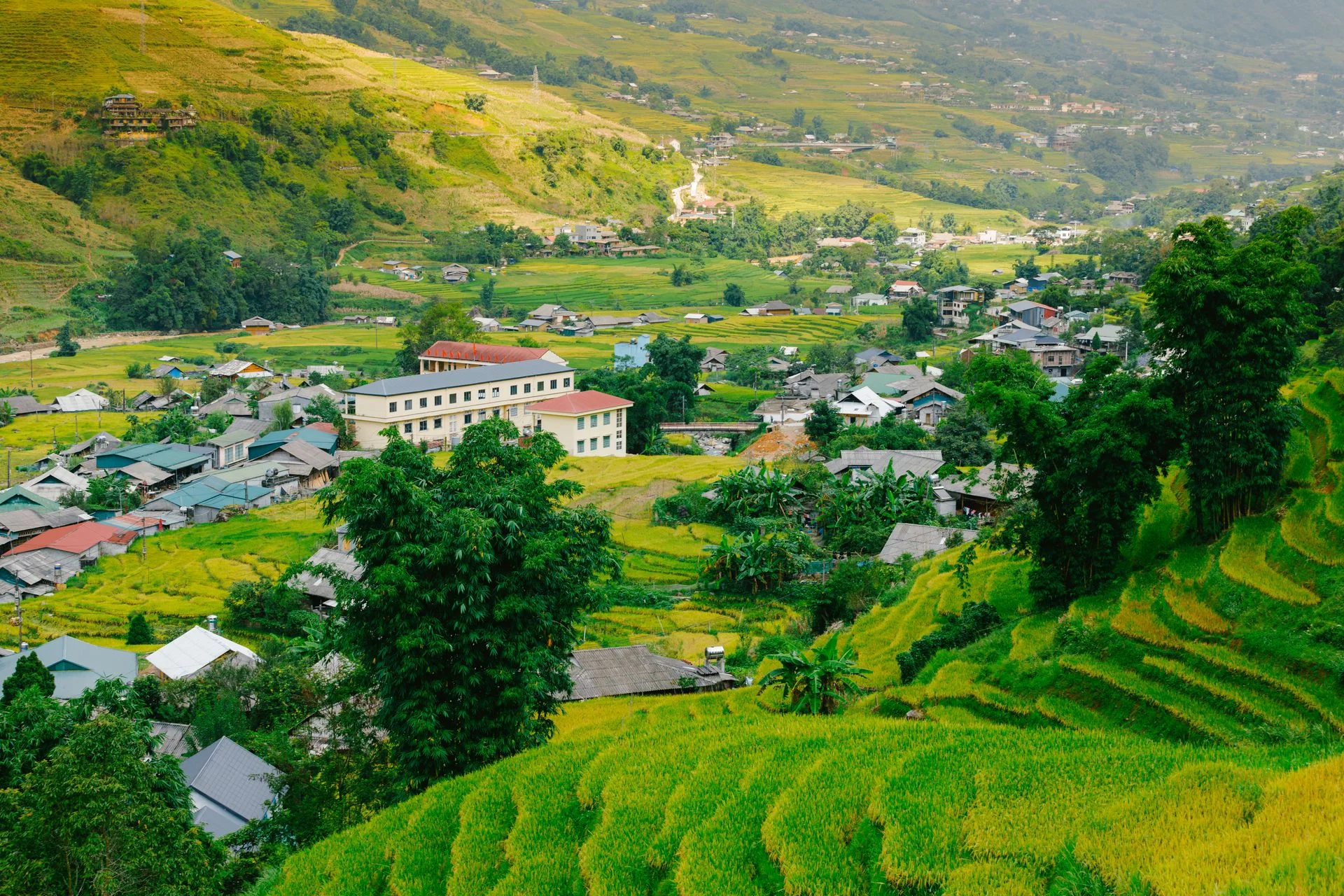
Skip the 09:30 AM group rush. Leave Sapa by 07:30–08:00 AM toward Y Linh Ho, descending through bamboo groves and stone paths toward the Muong Hoa River. Continue along the upper contour paths (rather than the main paved road) through Lao Chai and into Ta Van.
- Why sleep in Ta Van instead of Sapa town: Almost every day-tripper boards a van back to Sapa by 3:30 PM. Staying overnight in Ta Van gives you late-afternoon golden light over the terraces and a silent valley at dawn.
Day 3: Dawn Terraces, Giang Ta Chai & Return to Hanoi
Wake before 06:30 AM to watch cooking smoke rise from wooden roofs across the terraced slopes. After breakfast, walk a gentle 2–3 hour loop toward Giang Ta Chai (famous for its bamboo forest and waterfall) before taking a car back up to Sapa town for lunch. Catch an afternoon expressway limousine (arriving Hanoi around 8:30–9:00 PM) or return to Lao Cai Station for the night train.
Optional Add-on: If you have clear skies between 08:00 and 09:30 AM (or late afternoon around 15:00–15:30), the Fansipan Cable Car (reference round-trip fare ~850,000 VND for adults, ~550,000 VND for children 1m–1.4m; combos with the Muong Hoa funicular and mountain railway run higher) lifts you above the Hoang Lien Son range to 3,143 meters. Check live cloud cover at the bottom station before buying a ticket—in heavy fog, visibility at the summit can be near zero.
4. Estimated 3-Day Budget (Self-Guided vs. Local Guide)
| Expense Category | Budget / Self-Guided (Per Person) | Comfort + Local Guide (Per Person) | Notes |
|---|---|---|---|
| Hanoi ↔ Sapa Transport | $25 – $35 USD (round-trip sleeper bus) | $55 – $95 USD (overnight tourist train cabin + transfer) | Limousine vans offer door-to-door pickup in Hanoi Old Quarter |
| Accommodation (2 Nights) | $20 – $40 USD (village homestay / guesthouse) | $80 – $180 USD (valley eco-lodge / boutique hotel) | Ta Van homestays often include family-style dinner and breakfast |
| Meals & Drinks | $25 – $40 USD | $45 – $75 USD | Local noodle bowls ~35,000–50,000 VND; salmon/sturgeon hotpot is best shared in groups |
| Village Fees & Local Guide | $5 – $10 USD (entry tickets only) | $35 – $65 USD (hiring a local H'Mong/Dao guide) | Hiring an independent local guide supports village households directly and keeps you off slippery shortcuts |
| Total Estimate (3D2N) | $75 – $125 USD | $215 – $415 USD | Excludes Fansipan cable car (~$34–$55 USD depending on combo) |
5. Practical Gear & Respectful Visiting Checklist
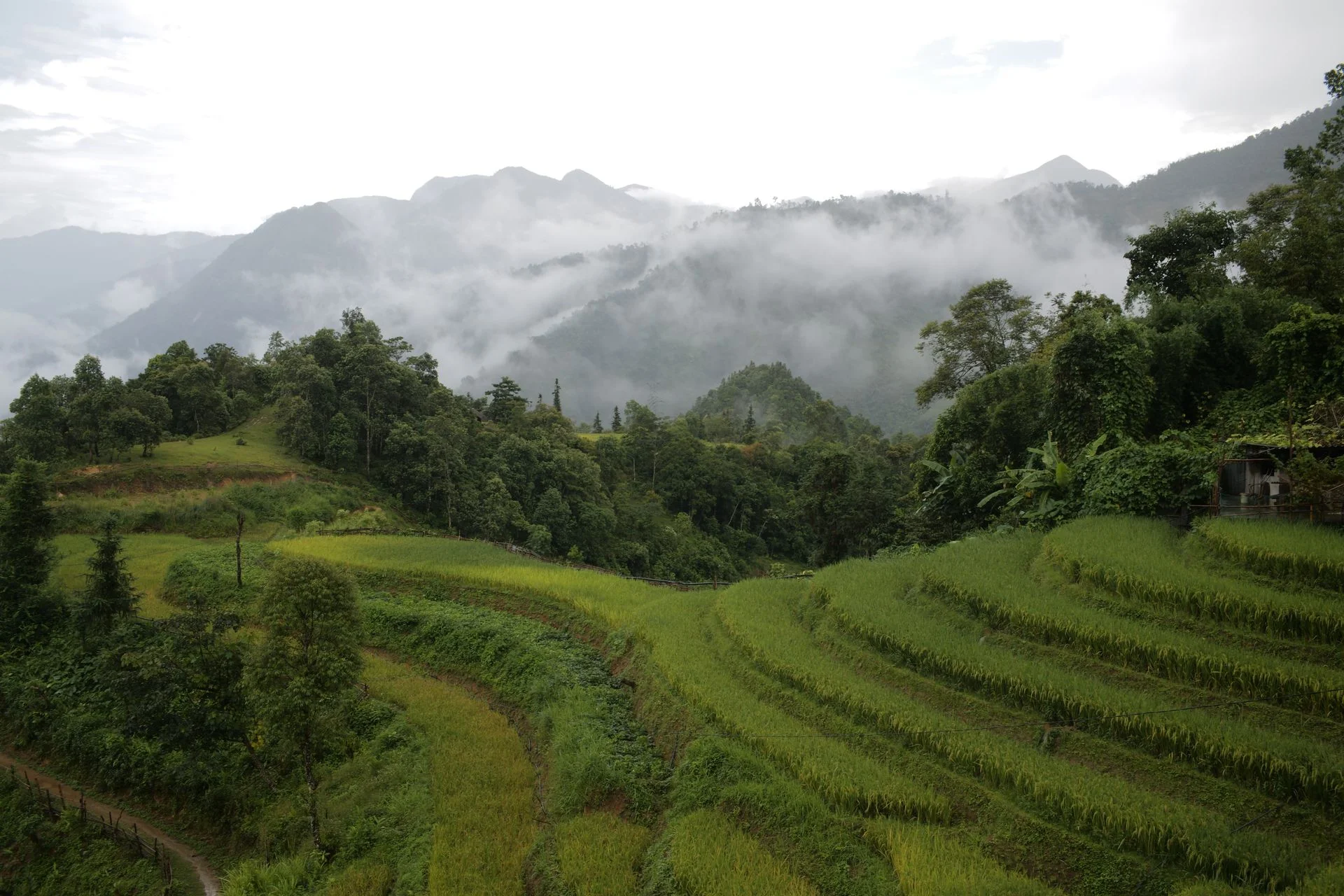
- Footwear matters more than anything else: Sapa's clay terrace paths turn slick as soap after even twenty minutes of drizzle. Wear trail runners or hiking boots with deep lugs—smooth-soled sneakers will have you sliding on every descent.
- Carry small VND notes: Village checkpoints, local tea stops, bamboo bridges, and small homestays rarely accept cards.
- Ask before taking close-up portraits: Many H'Mong and Red Dao residents welcome conversation, especially if you show genuine curiosity about hemp weaving or indigo dyeing, but always ask before pointing a lens at faces or inside homes. Avoid giving candy or money to children along the trail, as it encourages skipping school.
- Hire local, eat local: Book homestays and trekking guides from families living inside the valley rather than resellers far outside the region.
Practical Q&A Before You Go
Can I trek Lao Chai – Ta Van without a guide?
Yes, the main path between Y Linh Ho, Lao Chai, and Ta Van is straightforward in dry weather. However, upper ridge trails (Hau Thao, Hang Da) branch into unmarked buffalo paths through terraced walls—if it is foggy or wet, a local H'Mong or Red Dao guide makes navigation safer and adds real cultural context.
Which is better: Hanoi to Sapa by train or sleeper bus?
The expressway sleeper bus or limousine takes 5.5–6 hours and drops you right in Sapa town, making it faster and cheaper. The overnight train to Lao Cai (~7.5 hours) is steadier for travelers prone to motion sickness on winding mountain roads, though you must factor in a 50–60 minute transfer up from Lao Cai Station.
What if Sapa is completely foggy when I arrive?
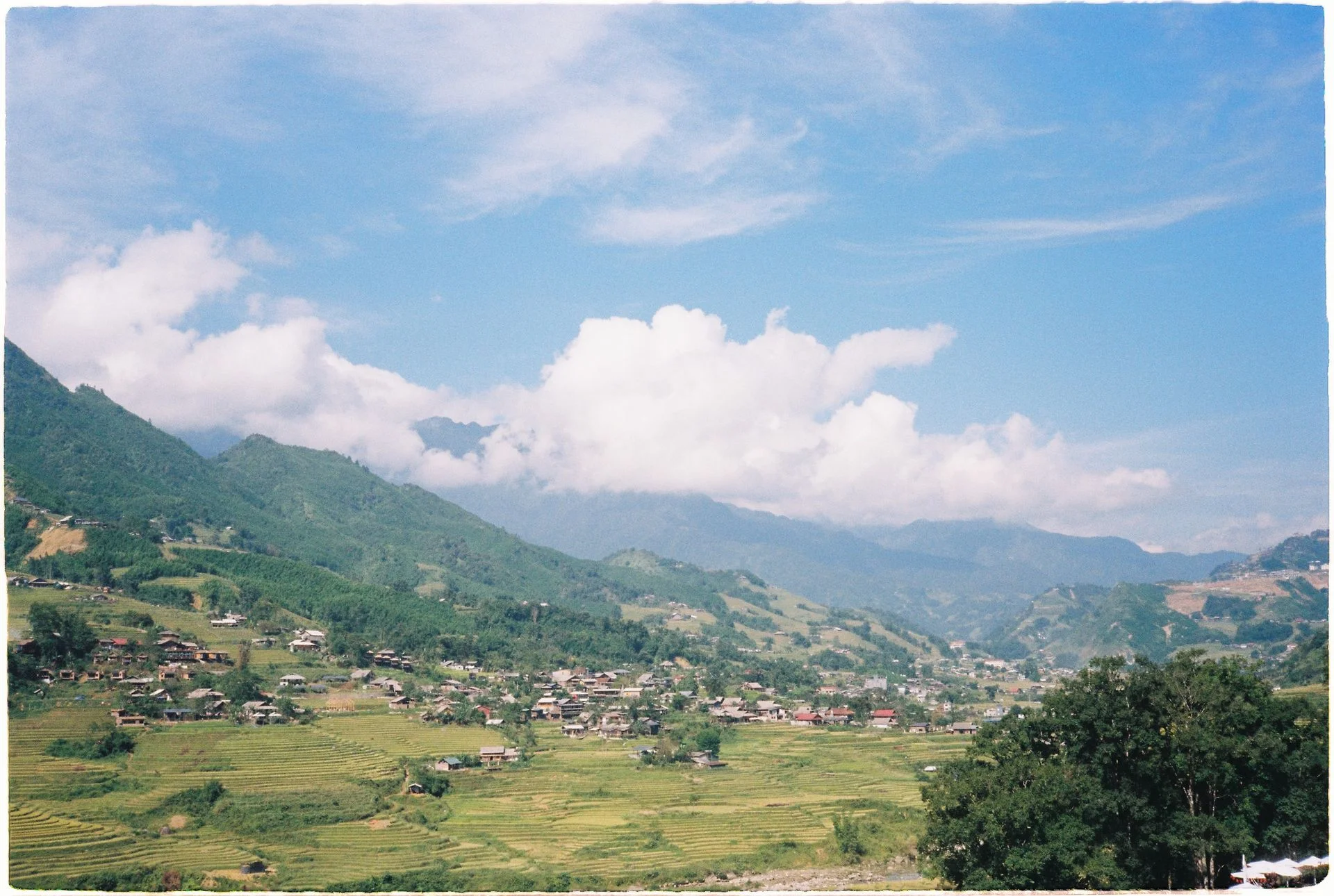
Mountain weather shifts fast—a foggy town center does not always mean the lower Muong Hoa Valley is socked in. Walk or drive down into Ta Van (which sits lower in elevation than Sapa town) where visibility is often clearer beneath the cloud deck.
References & Further Reading
- Vietnam Tourism / Local Village Guides (2026): Ta Van, Lao Chai, Cat Cat & Ta Phin visitor notes & post-2025 commune updates
- Sun World Fansipan Legend (2026): Published cable car schedules and reference fares
- Vietnam Railways (SP3/SP4) & NCHMF Weather Forecasts (always check mountain rain/landslide advisories 2–3 days before departure)
Ready to experience Vietnam for yourself?
Discover additional itineraries and travel resources from our trusted partner sites.
Explore Vietnam journeys