Phong Nha is often sold through a single superlative: enormous caves. Yet its most memorable quality is the meeting of two landscapes, one above ground and one below. Rivers disappear into limestone, forested valleys hide whole systems of passages, and village mornings move at a pace that cave-tour brochures rarely show. This Phong Nha travel guide is designed to help you choose an experience that fits your time, abilities and curiosity rather than chasing the biggest name.
A protected landscape with a much larger story
Phong Nha–Ke Bang is more than one cave entrance. Its limestone mountains preserve evidence of geological processes and support forest ecosystems that deserve as much attention as the formations underground. In 2025 UNESCO approved an extension linking the World Heritage property with Hin Nam No National Park in Laos, recognizing a cross-border landscape. That designation does not create a casual tourist crossing between the two countries; visitors must still follow national access and border rules.
Older guidebooks commonly call Phong Nha part of Quang Binh Province. Following Vietnam's 2025 administrative reorganization, the area is in Quang Tri Province. Dong Hoi remains a practical transport gateway, and village-based stays near the Son River keep you close to the main boat departure point. Geography matters more than an outdated provincial label when planning transfers.
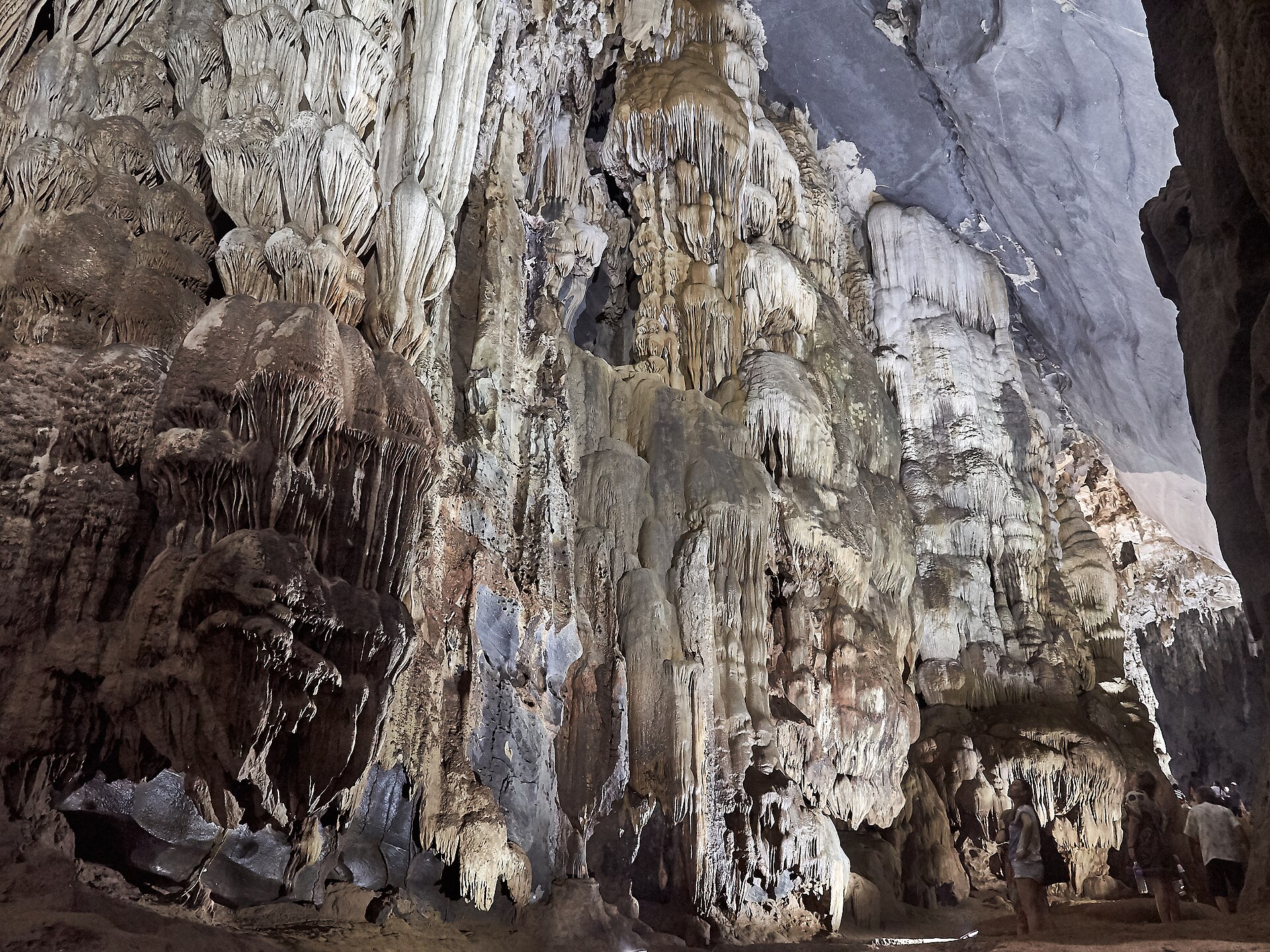
A cave is a vulnerable living environment. Water shapes passages over centuries; people can damage delicate surfaces in seconds. Follow established paths, never remove anything and use only the access arrangements approved for each site. Good operators explain why boundaries exist, not just how to reach a photo spot.
Paradise Cave or Phong Nha Cave: which is right for you?
For a first visit, the choice is usually between the river-led experience of Phong Nha Cave and the walk through Paradise Cave's vast dry chambers. Phong Nha Cave begins with a boat ride along the Son River. That approach is part of the story: you see a farming landscape before the boat enters a mountain. The cave visit combines a water passage and a permitted walking section; tickets and the shared boat charge are normally separate considerations.
Paradise Cave is reached by road through forest scenery, then by a final ascent and a managed wooden walking route underground. The standard visit highlights formations without requiring a technical expedition, but it is not completely step-free. The park's own information describes a forest approach, a climb to the entrance and a boardwalk of about one kilometer. Visitors with knee problems or mobility needs should ask about the current access arrangement.
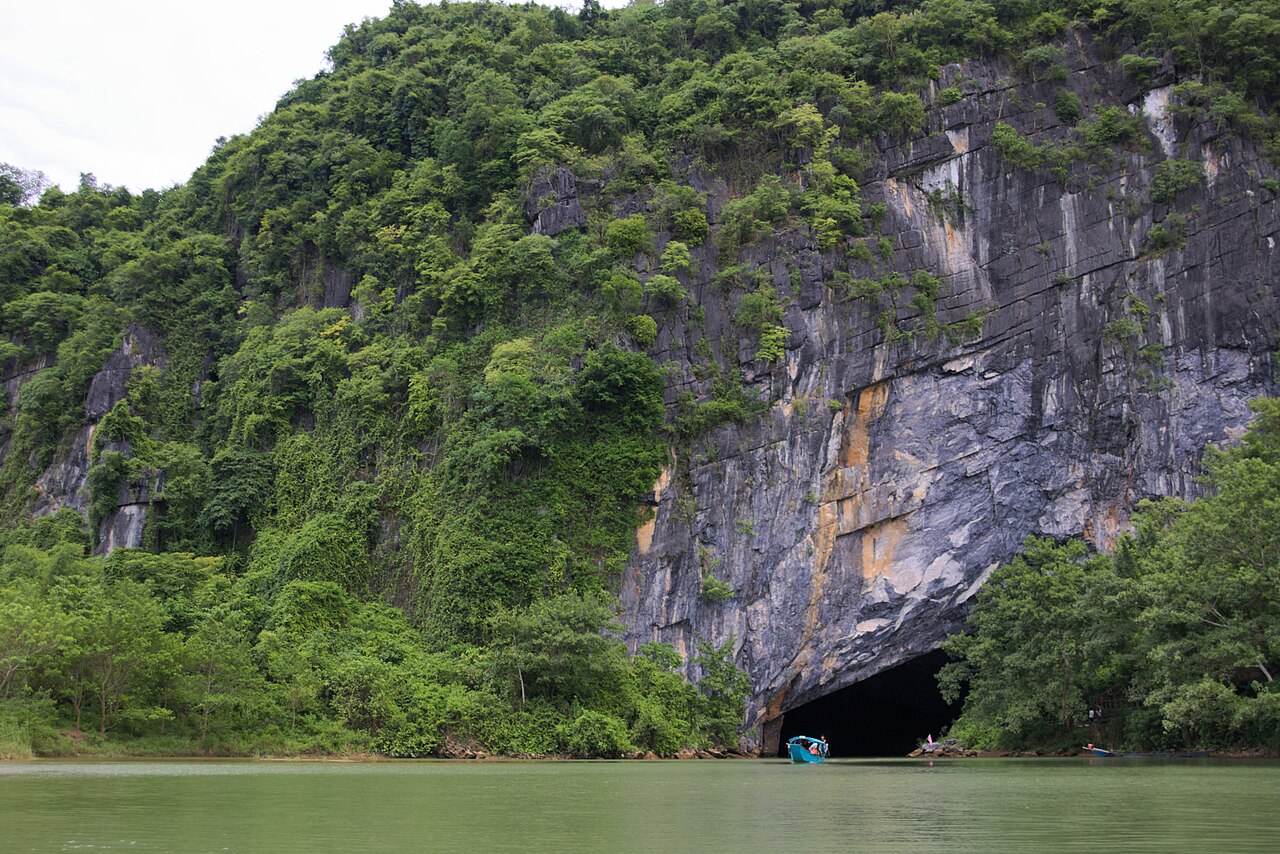
Choose Phong Nha Cave for the river journey and an atmospheric arrival; choose Paradise Cave if your priority is spacious dry chambers and detailed formations. Visiting both over two days is more satisfying than racing through them back-to-back in a single afternoon. Tien Son Cave can sometimes be paired with Phong Nha through a separately priced itinerary; ask at the official ticket counter which combinations are open.
Adventure caves are a different commitment
Dark Cave is promoted for active experiences that can involve water, a zipline and mud. It is not equivalent to a quiet walk through a show cave. Ask about swimming ability, safety equipment, age requirements and weather rules before paying. Longer guided expeditions to places such as Hang En or the Tu Lan system involve more demanding terrain and need appropriate fitness and specialist operators.
Son Doong receives global attention because of its scale, but it is a controlled expedition, not an add-on to a normal day tour. Availability, medical screening, price and multi-day logistics differ radically from standard cave admissions. If a website suggests you can casually visit the world's most famous cave after lunch, treat that as a warning sign.
Do not confuse admission with expedition permission. Always check whether a package covers guiding, transport, equipment, entry charges, meals and insurance. An attractive low headline price may exclude essential parts of the experience. Likewise, an expensive tour is not necessarily safer unless staff, equipment and route permissions are credible.
A two-day itinerary that leaves room for the village
On day one, settle into accommodation around Phong Nha village and arrange the boat trip to Phong Nha Cave. If river conditions are suitable, spend the morning underground and the afternoon cycling quiet village roads or stopping at riverside cafés. Ask permission before photographing people at work, and choose locally run food and lodging when available. This part of the journey is not filler; it gives the landscape its human context.
On day two, take the road toward Paradise Cave. Allow time for the approach walk, the cave itself and a meal without trying to add every advertised activity. Travelers who would rather swim and climb can substitute an approved active excursion, but should not assume all sites remain open in the same conditions. With a third day, a guided nature walk or conservation-oriented visit can reveal the park beyond its underground headline attractions.
If you arrive at Dong Hoi by train or air, confirm the onward transfer to your guesthouse rather than assuming the cave is next to the station. Local roads can be slower in rain. A motorbike offers freedom for experienced riders but should never be the default recommendation for someone unfamiliar with Vietnamese road conditions or wet mountain surfaces.
Rainy-season closures, costs and safe choices
Phong Nha's wet season can bring high river levels and sudden changes to cave access. River caves may close when the water is unsafe; some dry attractions can still operate, depending on conditions. The operator's latest weather decision matters more than the month printed in a general guide. Build some flexibility into travel dates and do not demand a boat departure when authorities suspend it.
Budget for several distinct items: a cave entrance ticket, a boat shared by passengers, road transport, optional electric shuttle, and any guided adventure package. The park management board publishes separate official rates and route details. For Phong Nha and Tien Son, one boat charge may be shared across a group rather than paid per person; ask how many seats are available and whether your party can join others.
Carry grippy footwear, breathable clothing, water and a dry bag for electronics. Caves are humid and can be slippery even when the weather outside seems dry. Never touch stalactites, use unauthorized lighting in sensitive areas or take shortcuts through protected zones. If someone in your party has claustrophobia, limited mobility or a health concern, discuss it before choosing an itinerary.
Frequently asked questions
Can you see Phong Nha without an organized tour? Several standard attractions are approachable independently using official ticket offices, boat services and marked paths; adventure routes require guides and permission. Is Paradise Cave better than Phong Nha Cave? Neither is universally better: one favors dry formations, the other a river entrance. How long should you stay? Two nights allow two good days; a longer stay suits trekking. Is the park in Quang Binh? That is the historical address; current administrative references use Quang Tri. Above all, leave time to watch the river between caves. The landscape above ground is part of the reason to come.
References and further reading
Primary heritage and visitor information used to verify the historical, conservation and practical details above. Ticket rules, routes and access can change: confirm with the relevant operator before travel.
- UNESCO: Phong Nha–Ke Bang and Hin Nam No World Heritage property
- Phong Nha–Ke Bang park: official Phong Nha Cave visitor details
- Phong Nha–Ke Bang park: official Paradise Cave access information
- Quang Tri government: 2026 park tourism and administrative location
Continue exploring Vietnam
Ready to experience Vietnam for yourself?
Discover additional itineraries and travel resources from our trusted partner sites.
Explore Vietnam journeys