Hue is often described as Vietnam's former imperial capital, which is true and not nearly enough. The city is also a place where history survived imperfectly: restored roofs stand near weathered walls, royal gardens sit beside living neighborhoods, and a bowl of noodles can carry as much regional identity as a palace gate. A thoughtful Hue Imperial City guide should help you read the place, not merely count its monuments.
Why Hue matters beyond the famous Citadel
The Nguyen dynasty ruled from Hue between 1802 and 1945. The UNESCO-listed Complex of Hue Monuments preserves traces of a capital designed around court ceremony, political authority, religious practice and a landscape shaped by the Perfume River. The Citadel, the Imperial City within it and the historic Forbidden Purple City were not all the same place. Understanding these concentric spaces helps explain why some gates were public, some ceremonial and others reserved for court life.
The monuments have endured conflict, flooding and decades of conservation. Do not expect every building to look newly restored, or assume a picturesque ruin tells the complete story. Hue rewards visitors who notice the contrast between imperial ambition and the human cost of war. Leave space for quiet courtyards, interpretive panels and objects whose significance is easy to miss at walking speed.
How to visit the Imperial City without rushing
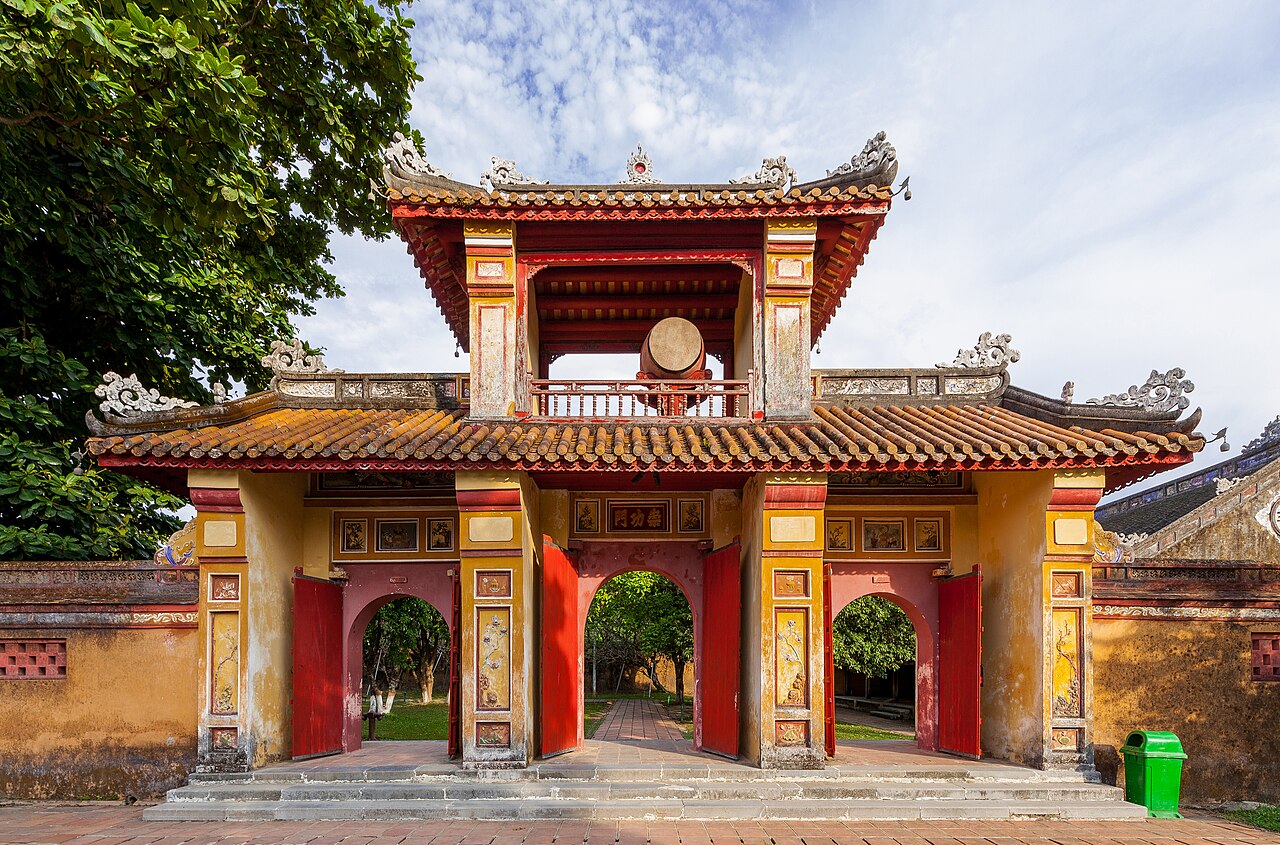
Start early at Ngo Mon, the monumental southern gate. From there, follow the historic ceremonial axis toward Thai Hoa Palace and the core of the imperial precinct. Watch how roofs, courtyards and gates control views and movement. The Nine Dynastic Urns offer a different kind of history: their imagery evokes landscapes, animals and symbols of state authority rather than simply decoration.
Allow roughly three hours for a considered first visit, more if you enjoy architecture or museums. A fast guided tour can supply context, but a slow second circuit helps the layout make sense. Some paths are exposed to strong sun and heavy rain; take drinking water, a hat and footwear suited to uneven surfaces. Check which buildings are open because conservation work can change access.
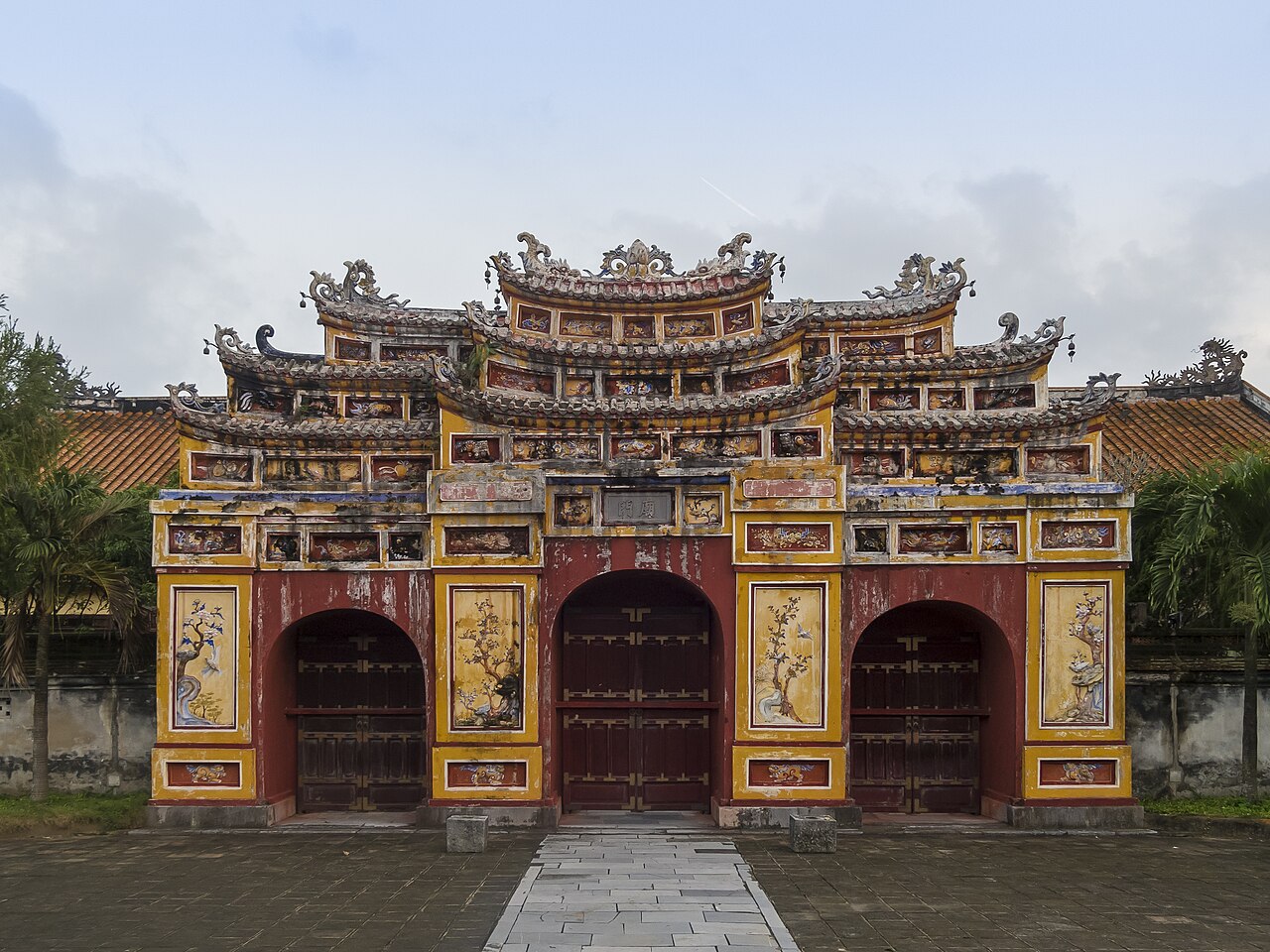
If traveling with children, turn the site into a search for dragons, phoenixes, roof ornaments and distinct gateway designs, rather than forcing a full historical lecture. For visitors with reduced mobility, ask at the ticket office about accessible entries and the condition of paths. This is a living conservation site, not a theme park with identical surfaces everywhere.
Which Hue royal tomb should you choose?
Three royal tombs illustrate how differently emperors imagined a final resting place. Minh Mang's complex is known for an ordered landscape of lakes, gates and temples; it suits visitors interested in classical planning and a quieter garden atmosphere. Tu Duc's tomb feels more literary and contemplative, with water, pavilions and a narrative shaped by the emperor's life. Khai Dinh's tomb offers a striking contrast through its steep approach, ornate interior mosaics and blend of Vietnamese and European influences.
You do not need all three in a single afternoon. Pick two based on your interests and remember they are outside the Imperial City, reached by road. Minh Mang and Khai Dinh pair well for contrasting settings; Tu Duc may suit travelers who prefer gardens to grand spectacle. Avoid treating the word tomb as an assurance that every structure contains a physical burial chamber visitors can enter.
If time is short, choose one tomb and explore it properly. A driver can link sites more efficiently than piecing together multiple taxi rides, but agree the route, waiting time and price first. The official Hue monuments system publishes individual tickets and combinations; compare these with your actual plan rather than buying the largest pass automatically.
The river, pagodas and a city that still lives
The Perfume River is not just a backdrop for sunset photographs. Its banks connect neighborhoods, places of worship and an everyday rhythm that extends beyond the former court. Thien Mu Pagoda is a significant Buddhist site, so keep voices low, dress respectfully and avoid obstructing worshippers. A short river excursion may be enjoyable, but do not expect a boat ride alone to explain centuries of culture.
Walk through Kim Long's garden-house area when you have time, or browse Dong Ba Market for a less ceremonial portrait of Hue. Ask before photographing vendors or residents. Many visitors pass through the market quickly in search of a souvenir; sitting down for a simple breakfast often provides a better introduction to local life.
Hue's history also lives in skills, not only buildings. Craft traditions, royal-style music and food preparation require people to sustain them. Look for small cultural experiences with transparent pricing and genuine local participation, not staged claims that every performance is an unchanged royal ritual.
Eat Hue slowly: a guide to its food culture
Bun bo Hue is the best-known name, a richly aromatic noodle soup whose heat and depth vary by kitchen. But the city has a wider palate: com hen brings rice and small clams together with herbs and texture, while banh beo, banh nam and banh bot loc turn rice or tapioca dough into delicate bite-sized dishes. Choose a busy local stall, ask for spice on the side if needed and do not assume every place cooks the same family recipe.
Vegetarian food is also meaningful here, shaped in part by Buddhist traditions. If you have dietary restrictions, communicate clearly about fish sauce, shrimp and broths rather than relying only on the word vegetarian. Food markets are places to discover how Hue tastes in ordinary life, away from the shorthand of royal cuisine.
Two days in Hue, with useful ticket advice
On day one, visit the Imperial City in the morning, pause for lunch and spend the afternoon exploring the riverfront and a nearby museum or garden neighborhood. Leave the evening open for local food. On day two, choose two royal tombs rather than three, then add Thien Mu Pagoda or a quieter riverside stop if energy permits. Three days allow more unhurried time, including traditional crafts and the countryside.
For 2026, Hue's official visitor-information pages publish monument ticket rates and combo options. One published combination covers the Imperial City with Tu Duc and Khai Dinh, but offers value only if you intend to visit all included sites. Verify the current list, child eligibility, validity and conservation closures on official channels before purchasing. Allocate a separate transport budget for the outlying tombs.
Hue is connected by rail and road with Da Nang, and Phu Bai Airport serves the area. The scenic train journey between Da Nang and Hue can be part of the experience, but check actual services and onward transport. If coming from Hoi An, allow for the extra journey through Da Nang instead of treating the two old towns as neighboring districts.
Rain, restoration and the questions worth asking
Central Vietnam's wet season, especially in autumn, can bring heavy rain and flooding to low-lying areas of Hue. Spring is often appealing for walking, but no season eliminates weather risks. Check forecasts and monument access, particularly after significant storms. Bring sun protection in hot months and footwear with grip for rainy days.
Can Hue be done in a day? Yes for highlights, though two days make the history more intelligible. Is the Imperial City the same as the Citadel? No; it is a more restricted historic precinct inside the broader fortified complex. Which tomb is best? Minh Mang for landscape, Tu Duc for atmosphere, Khai Dinh for decorative contrast. Should you book a guide? A knowledgeable interpreter adds value when history matters to you. Hue becomes memorable when the stories behind its walls are given time to breathe.
References and further reading
Primary heritage and visitor information used to verify the historical, conservation and practical details above. Ticket rules, routes and access can change: confirm with the relevant operator before travel.
- UNESCO: Complex of Hue Monuments
- Hue government: Hue Monuments Complex and ticket options
- Hue 2026 official admission fees, effective 4 January
Continue exploring Vietnam
Ready to experience Vietnam for yourself?
Discover additional itineraries and travel resources from our trusted partner sites.
Explore Vietnam journeys