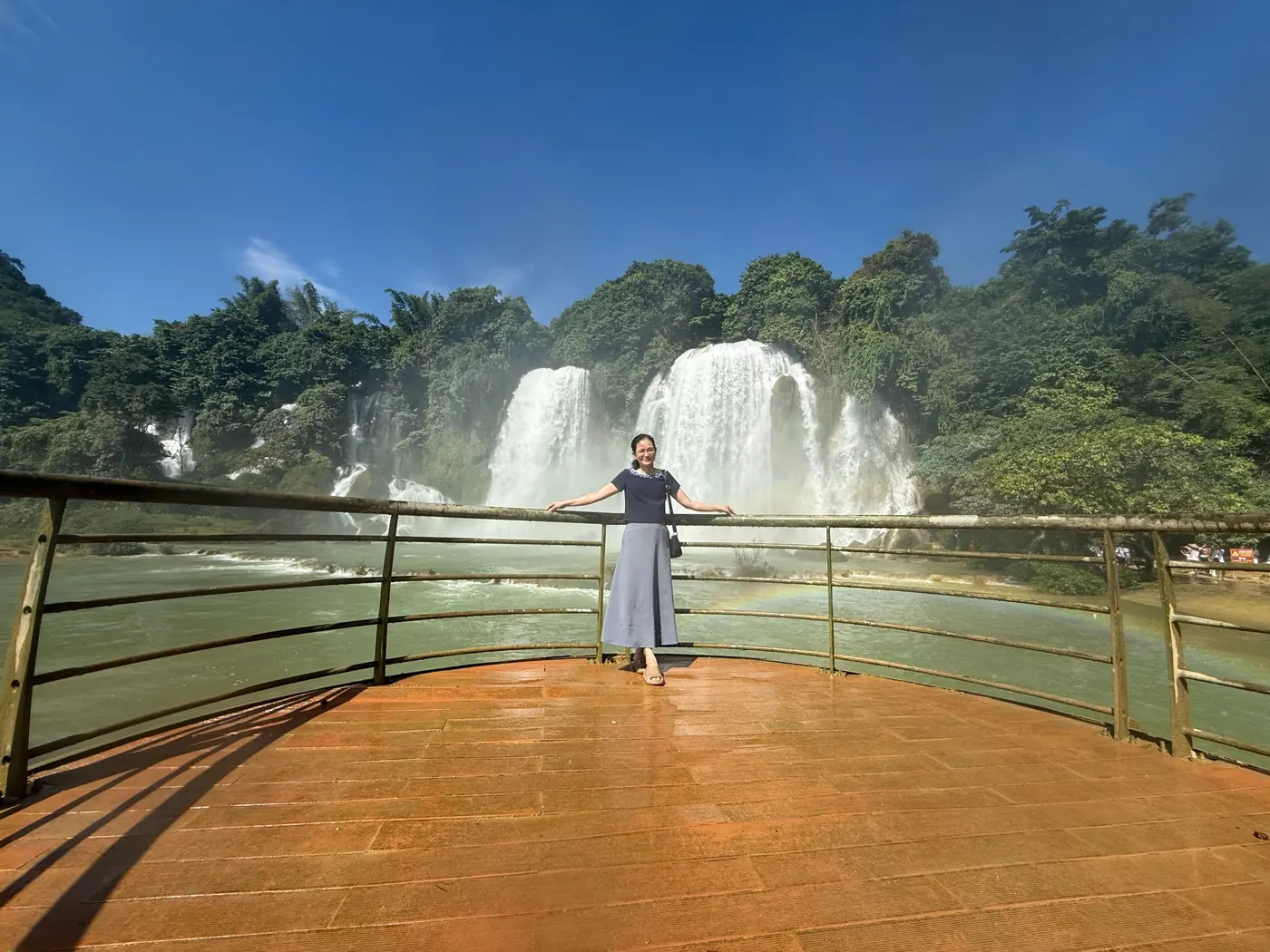
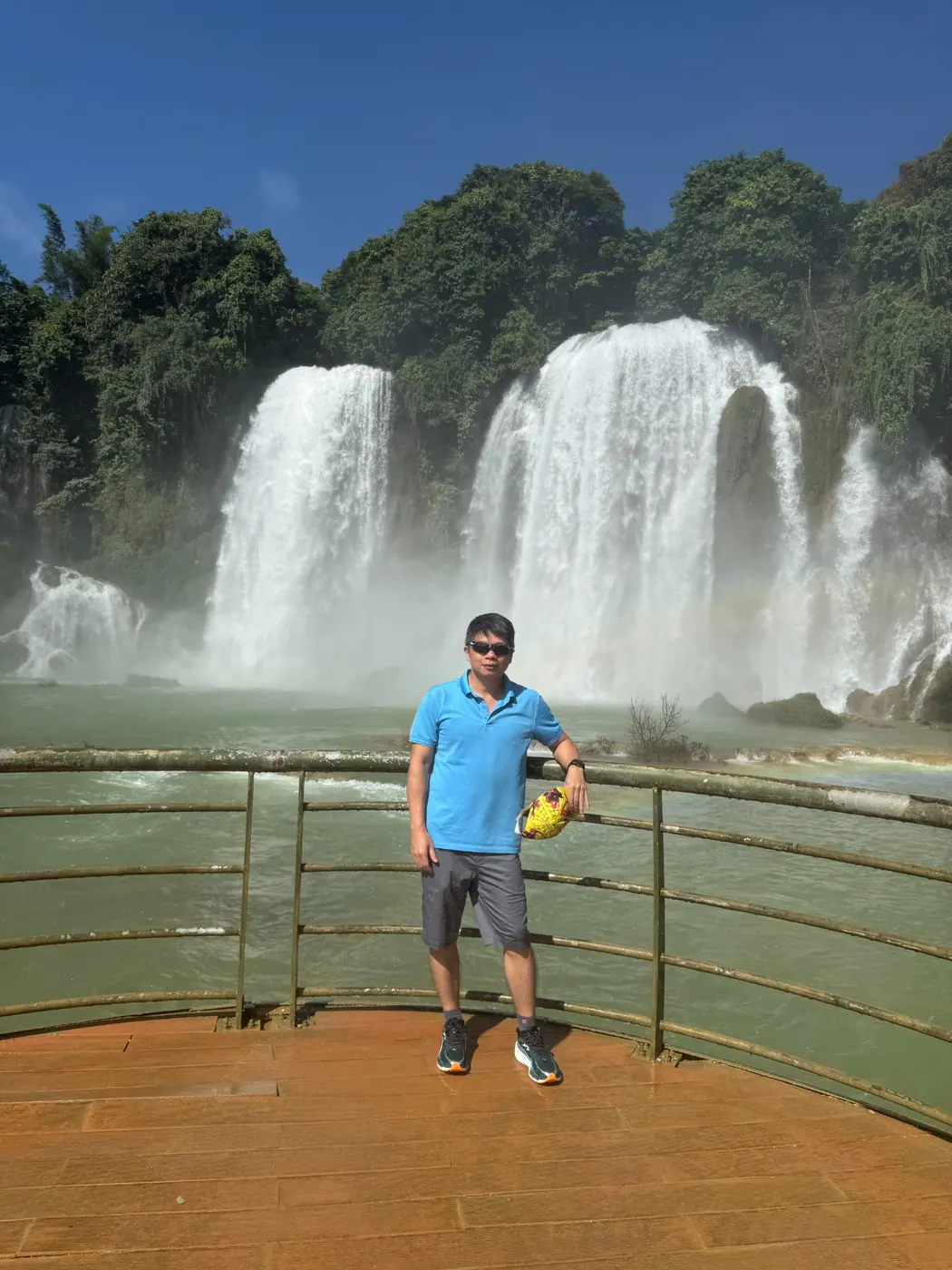
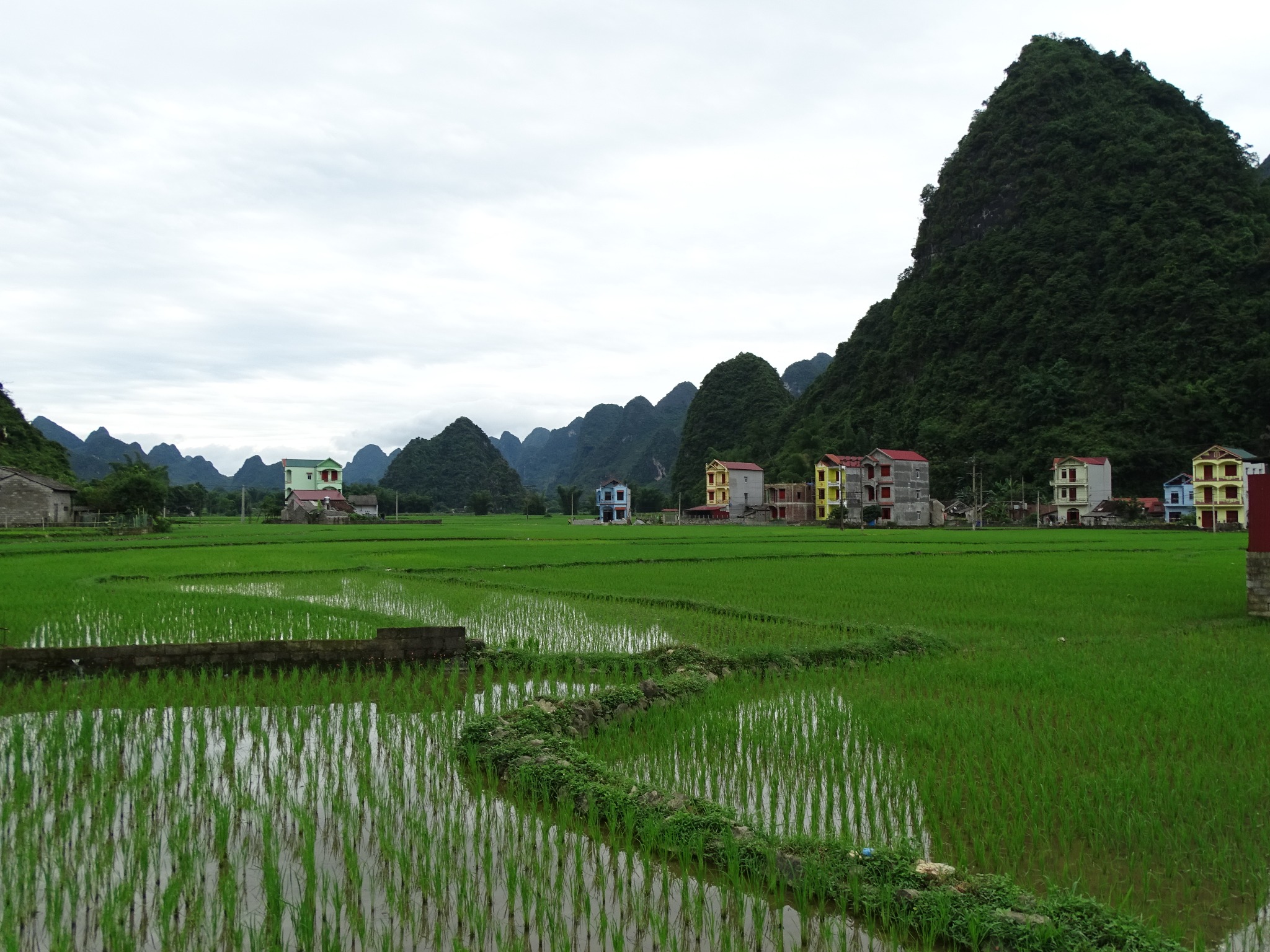
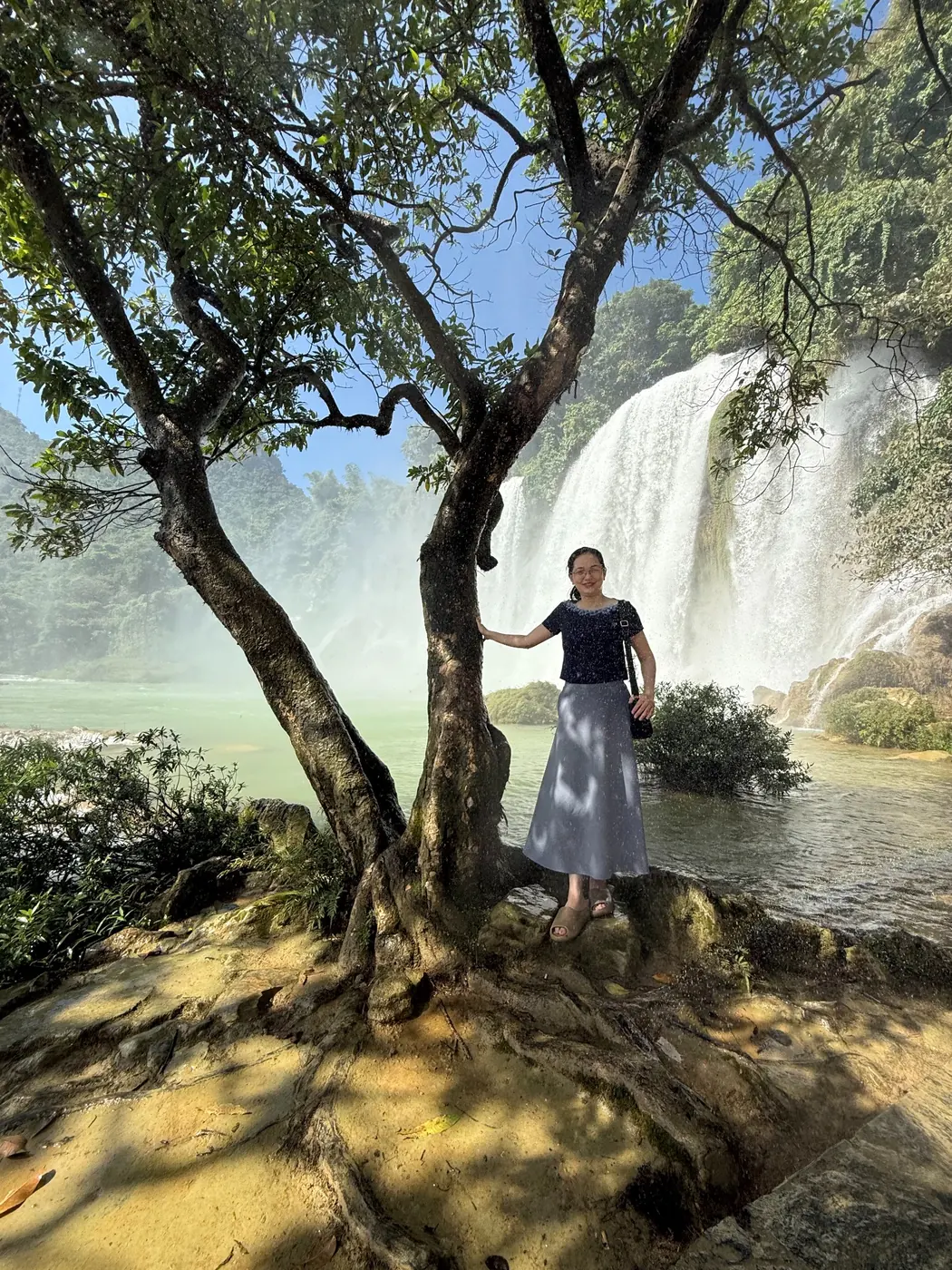
The first surprise at Ban Gioc is its setting. Limestone mountains rise behind the Quay Son River, rice fields open along the road, and the waterfall appears in broad, tiered curtains rather than a single vertical drop. Choosing when to visit changes nearly everything: the force of the water, the light on the valley, and how comfortable the mountain journey feels.
This is a practical seasonal guide, not a promise that any particular day will look like a photograph. Water flow depends on recent rain and upstream conditions, so give yourself a flexible plan and check local information shortly before departure.
Quick answer: when is Ban Gioc at its best?
For a first trip focused on the waterfall, late September and October often offer a useful balance between substantial flow, green-to-golden landscapes and less persistent summer rain. June to August may produce the strongest-looking cascades, but heavy rain also brings poor visibility, slippery paths and road hazards. Winter and early spring are usually more comfortable for some journeys but the falls can be visibly thinner.
If you have fixed dates, do not cancel just because they fall outside a popular month. Instead, adjust expectations: a quieter cascade can still anchor a lovely day with Nguom Ngao Cave and Khuoi Ky Stone Village.
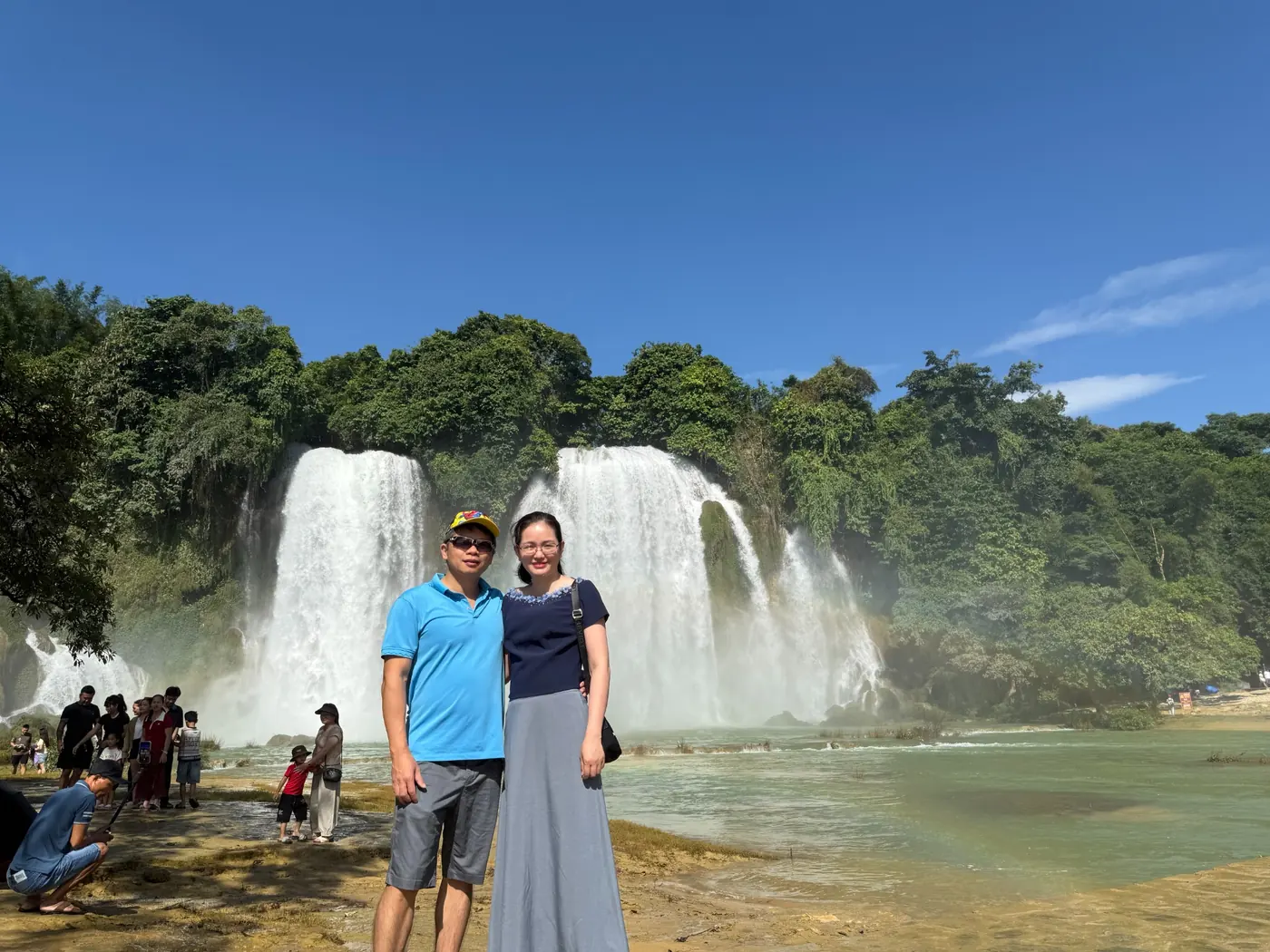
Ban Gioc waterfall month by month
January and February are cooler and often dry; expect variable, sometimes limited flow. March and April bring warmer days but can remain low-water months. May is a transition: showers increase, yet the river may not immediately reach summer levels. June, July and August are generally wetter, with impressive water but a greater chance of intense showers and disrupted access.
September often retains strong flow while rice fields begin to change colour. October is a compelling all-round choice, but neither blue skies nor high water are guaranteed. November usually becomes drier: early-month conditions may differ markedly from late November. December tends to be cooler and drier, better suited to a wider Cao Bang landscape itinerary than to a promise of spectacular full-volume water.
These are seasonal patterns, not real-time measurements. Check the National Centre for Hydro-Meteorological Forecasting at https://nchmf.gov.vn/ shortly before departure, and ask local accommodation about actual flow and access on your chosen day.
Is Ban Gioc worth visiting in November?
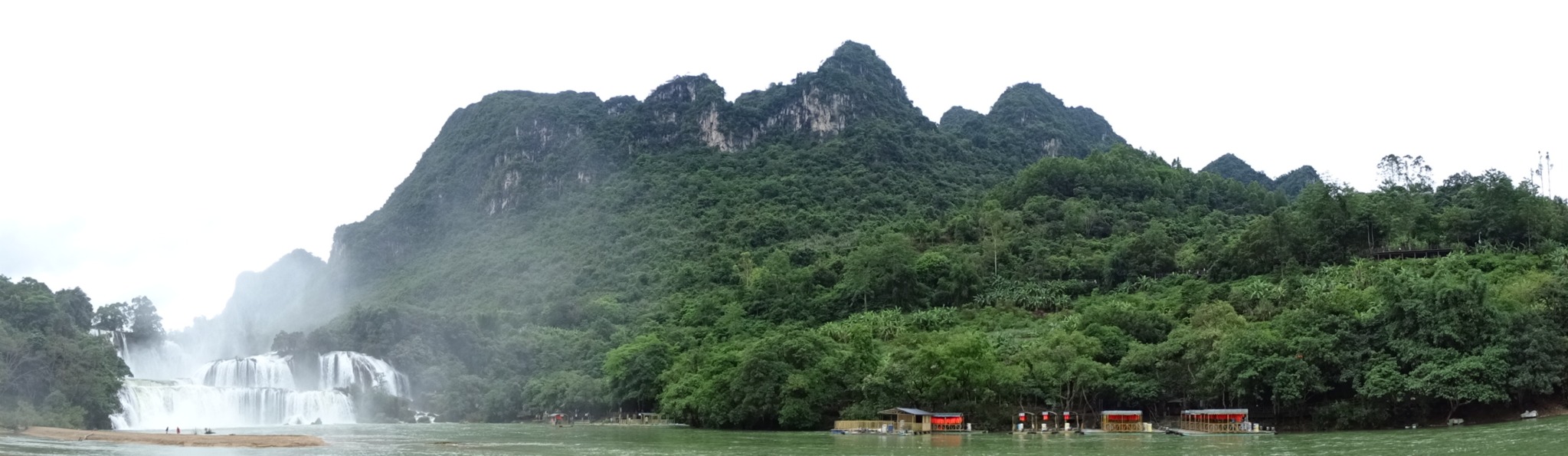
Yes, particularly when you enjoy countryside scenery, a less hurried pace and nearby villages. But November should not be marketed as a guaranteed peak-flow month. By late November, the waterfall can become much thinner, and a photograph taken after summer rain is a poor predictor of what you will see.
For a November trip, prioritise daylight, confirm the current waterfall appearance with a local operator, and keep the cave and stone village as part of the plan rather than an emergency afterthought. Pack a light warm layer for early starts and a rain shell for shifting mountain weather.
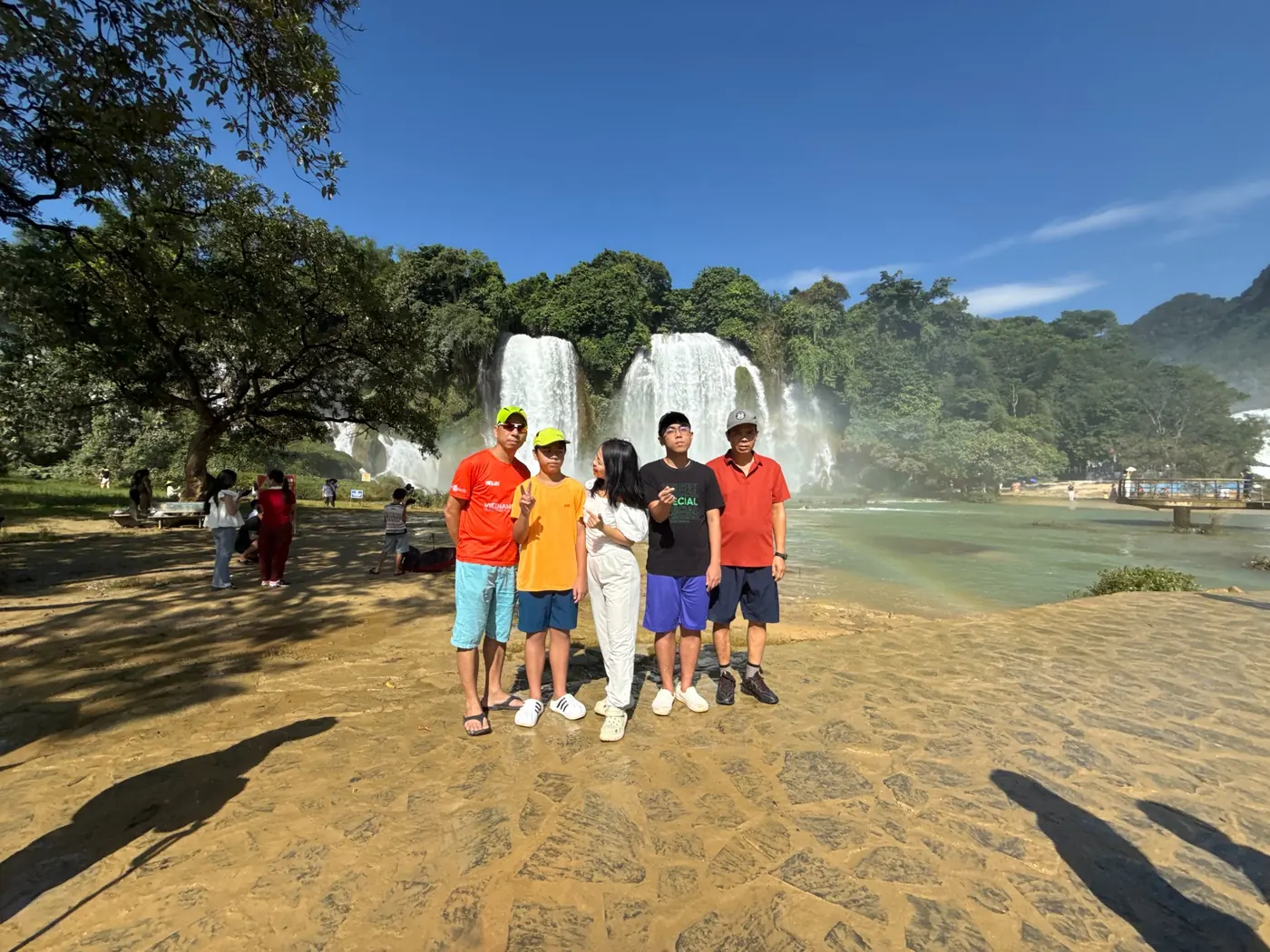
Rainy season versus dry season: the real trade-off
Rain makes the falls dramatic, but it can also close a road, reduce visibility or make the riverbank unsafe. Never enter restricted water or cross barriers for a better camera angle. If a weather warning is active, move the waterfall visit rather than trying to outrun the storm. Recheck the national forecast at https://nchmf.gov.vn/ the evening before and again on the morning you travel.
In the drier months, bring realistic expectations about water volume. Consider combining Ban Gioc with more time in the villages and caves. The most rewarding day is not necessarily the one with the most powerful water: it is the day when you can travel, stop and explore safely.
Viewpoints, light and the bamboo raft
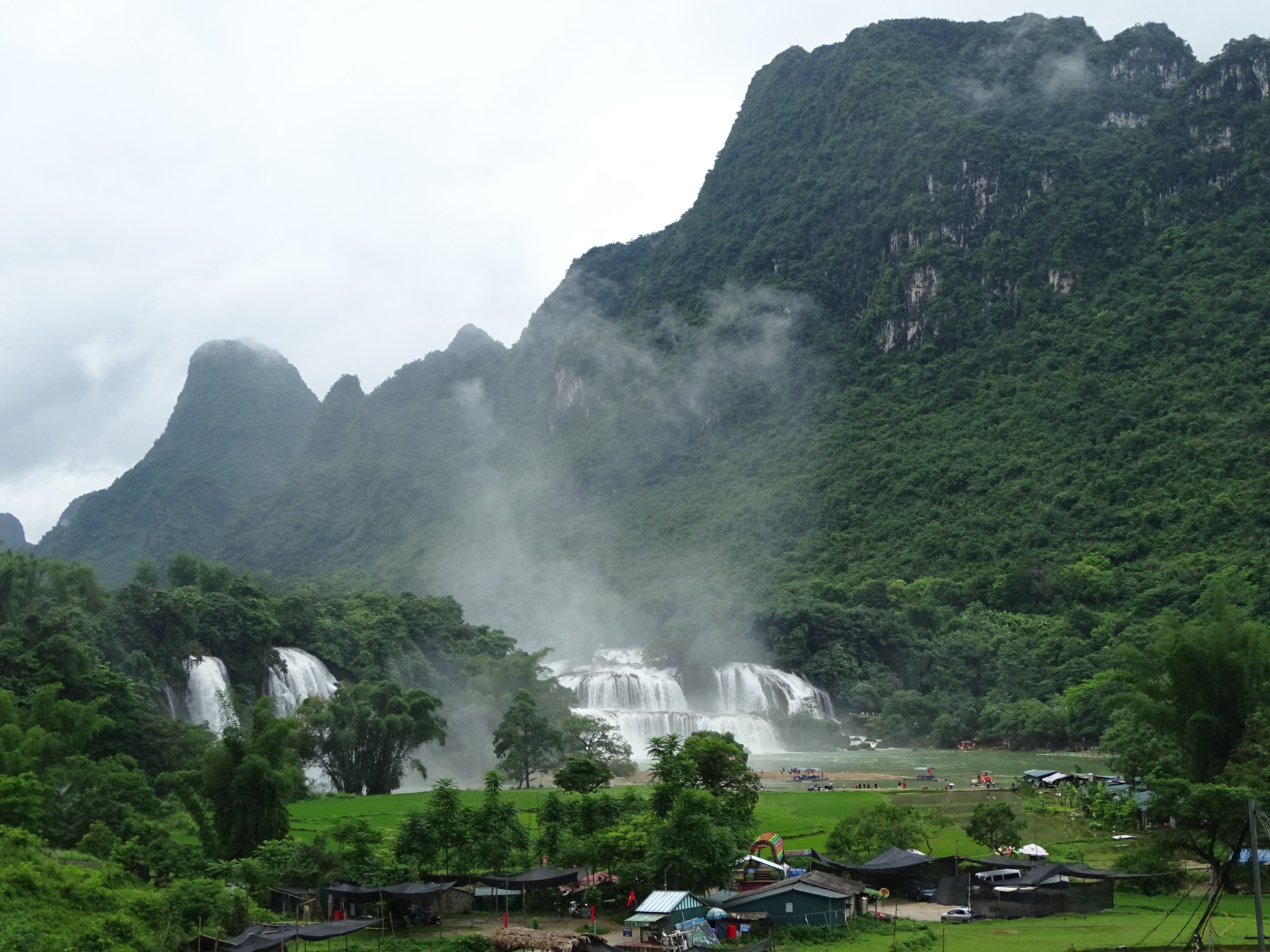
Start with the authorised main viewpoints to understand the waterfall's wide shape, then step closer where access is permitted to notice the water's movement and spray. The best light depends on cloud, season and where you stand, so allow time to change positions instead of planning a single 'perfect' minute. Keep your camera dry and respect every safety barrier.
Bamboo-raft rides are conditional on operator service, water level and local restrictions. Ask at the ticket area about the day's route, life jackets, duration, boarding point and separate charges before paying. Do not assume a raft is running just because one appears in an online photograph.
Getting from Hanoi and Cao Bang: don't underestimate the road
The waterfall lies roughly 85 kilometres from Cao Bang city, but the winding mountain roads often take around two to three hours by car depending on weather, traffic and stops. Coming from Hanoi, treat this as a two- or three-day journey rather than a rushed same-day return. Confirm your arrival station, onward vehicle, pickup location and luggage arrangements before committing.
A private car with a competent local driver reduces the burden of navigation, especially for families. Motorcycling demands a licence valid in Vietnam, appropriate insurance and real experience of steep winding roads; avoid night riding and storms. If using public transport, confirm the last leg from Cao Bang city to the waterfall directly with the operator or your accommodation: a bus arrival in the city is not the same as reaching the attraction.
A realistic two-day and three-day plan
With two days, travel to Cao Bang city on day one and leave the next morning for Ban Gioc. Visit the waterfall without rushing, then add Nguom Ngao Cave or Khuoi Ky only if your return transport allows it. If you need to return to Hanoi that evening, agree on a conservative departure time with your driver.
With three days, allow one night near Trung Khanh or Khuoi Ky. This gives space for the cave, the traditional stone houses, a quieter rural morning and weather flexibility. Verify homestay bathroom arrangements, stairs, meals and exact pickup location; do not assume every rural property provides the same facilities.
Nguom Ngao Cave and Khuoi Ky Stone Village
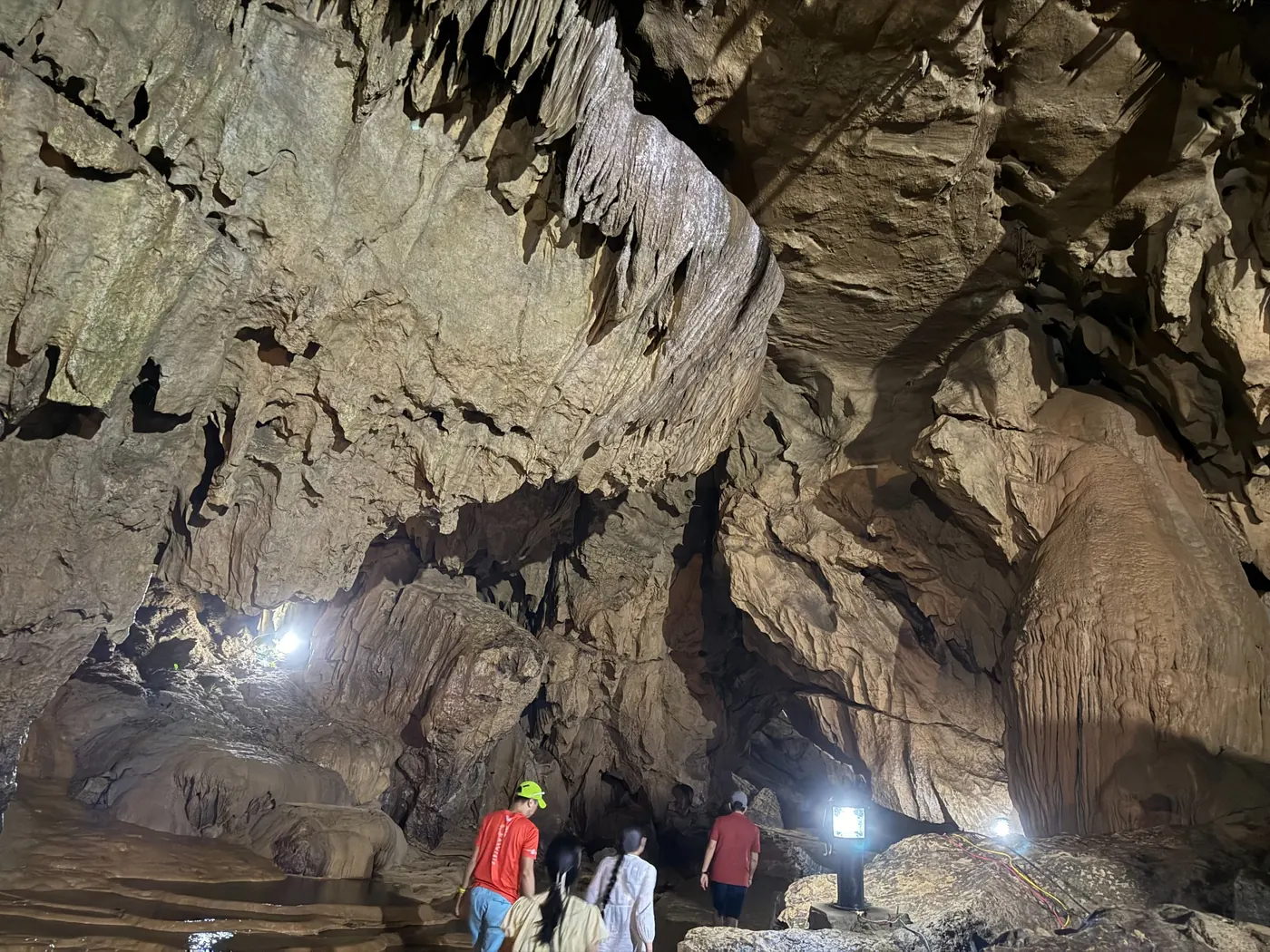
Nguom Ngao Cave provides a strong contrast to the river: inside the limestone, mineral formations and the cave's quieter atmosphere change the rhythm of the day. Check the current visitor route, opening conditions and stairs at the ticket desk. Khuoi Ky offers a chance to appreciate traditional Tày stone-house architecture; be a respectful visitor, ask before photographing residents, and pay local hosts fairly for services.
These places deserve more than a rushed tick on a checklist. If the waterfall has less water than expected, spend extra time exploring them rather than forcing an unsafe riverbank view.
Costs, border rules and responsible travel
Entrance prices, raft fees and service hours can change; ask at the official ticket point on the day of your visit, and carry some cash. Verify road and attraction conditions with your accommodation before leaving Cao Bang city. Carry identification and follow border-area signs. Seeing the Chinese bank across the river does not mean you can cross freely, and flying a drone can require special permission.
Frequently asked questions
What is the best month for Ban Gioc Waterfall?
September and October are often a good overall compromise for water flow and landscape, but actual weather and river conditions must be checked.
Does Ban Gioc have much water in December?
It can have reduced flow during the dry season. Confirm with a local guide or accommodation before travelling if a powerful cascade is your main goal.
Can I visit the cave and waterfall in one day?
Often yes from a Cao Bang or Trung Khanh base, provided you leave enough road time and check access. Do not try to squeeze a Hanoi same-day round trip around both.
Is it safe to ride a motorbike there?
Only for suitably licensed and insured riders with mountain-road experience and favourable conditions. A driver is a sensible alternative in bad weather.
More journeys and practical reading
If you are building a longer northern Vietnam itinerary, read the Ba Be Lake 1–2 Day Guide at https://www.goasiatrips.com/guides/ba-be-lake-1-2-day-guide/ and compare it with this waterfall-focused excursion. For wider northern route inspiration, see https://www.goasiatrips.com/journeys/northern-vietnam. Travel resources are available through https://vietnamtraveladvice.com/ and additional journeys through https://vietnambeyondtours.com/; these two site links are general entry points until article-specific URLs are checked.
Sources and decision checks: https://nchmf.gov.vn/ for weather alerts; https://vietnam.travel/ for official destination context. Reconfirm weather, access, local prices and raft availability shortly before travel. The six owner-supplied photographs retain their original copyright. Three additional resized JPEGs are credited to Adam Jones under CC BY-SA 2.0, with source links in their captions.
References and further reading
Primary heritage and visitor information used to verify the historical, conservation and practical details above. Ticket rules, routes and access can change: confirm with the relevant operator before travel.
Continue exploring Vietnam
Explore related articles and travel resources
Ready to experience Vietnam for yourself?
Discover additional itineraries and travel resources from our trusted partner sites.
Explore Vietnam journeys