Ha Long Bay is easy to recognize and surprisingly difficult to plan well. A photograph shows limestone towers floating above green water; a booking page shows a boat with a balcony. Neither tells you which part of the bay you will actually visit, how long you will spend travelling from Hanoi, or whether your itinerary leaves time to hear anything beyond the engine. This Ha Long Bay travel guide begins with a better question: what kind of day on the water do you want?
The landscape is more than a famous photograph
Ha Long Bay's islands are the exposed peaks of a vast limestone landscape shaped over immense geological time. In 2023 UNESCO expanded the World Heritage property to include the Cat Ba Archipelago, recognizing connected landscapes and habitats rather than one postcard viewpoint. The geological story becomes easier to understand from a low boat: vertical rock faces show sea-level marks, passages open unexpectedly between islands, and small coves appear where the main channel looked completely closed.
Respect the distinction between a UNESCO designation and any individual tour's route: a boat's promotional wording does not guarantee entry into every part of the protected area. If your priority is a classic view, book for scenery and sufficient time outdoors. If it is wildlife, village life or silence, investigate the cruising area, number of passengers and how many boats share the same stops.

Ha Long, Lan Ha or Bai Tu Long: choose the route first
Central Ha Long Bay is the familiar choice for first-time visitors. Common permitted itineraries may include Sung Sot Cave, Ti Top Island and Luon Cave, although the combination depends on the operator and approved route. Expect dramatic formations alongside popular visitor stops. This is a sensible choice for a short trip when you genuinely want the icons, not a failure to discover somewhere secret.
Lan Ha Bay, associated with Cat Ba, appeals to travelers who want more time close to the water, especially kayaking and calmer channels. Bai Tu Long Bay is often considered for a less crowded atmosphere, though fewer cruise choices can mean less flexibility. None of the three is automatically empty, and an expensive boat cannot fix a congested itinerary. Ask for the port, authorized route number or named stops, and actual time spent at anchor.
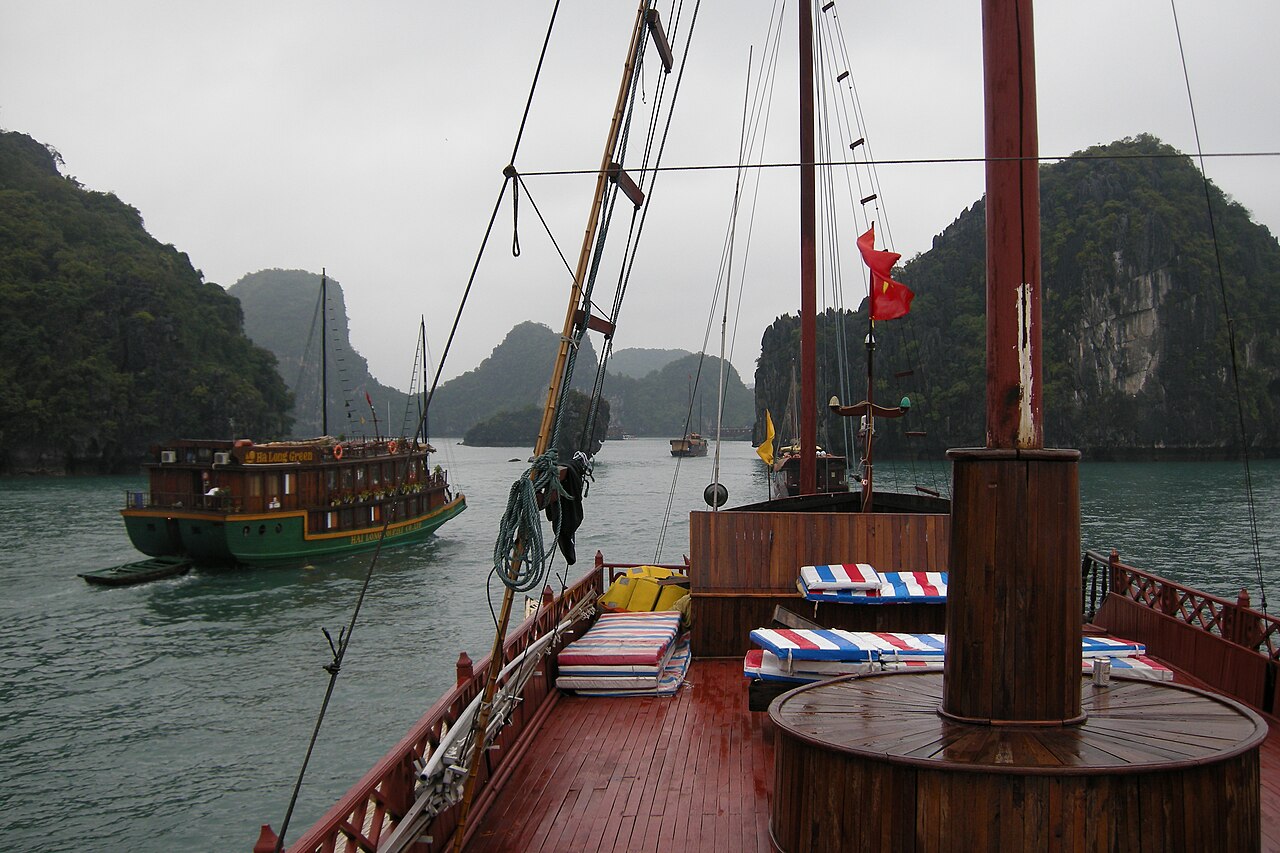
Since April 2026, coordinated Ha Long–Lan Ha itineraries have been operating under agreements between Quang Ninh and Hai Phong. That does not mean every vessel may cross between the bays. If a company advertises a combined route, confirm that the vessel, itinerary and departure port are authorized. This question is more useful than asking whether a boat calls itself luxury.
One day, one night or two nights on the water?
A day cruise can work when time is limited, but a day advertised as twelve hours may include the return drive from Hanoi. Check when the boat actually leaves the pier and returns. Driving from Hanoi commonly takes around two-and-a-half to four hours each way depending on pickup points and traffic. A long transfer followed by a compressed cruise feels different from a full day afloat.
One night aboard is a useful middle ground. You gain evening light, an early morning before day boats arrive, and a more relaxed rhythm between activities. A second night is worthwhile when the itinerary genuinely adds waterways or kayaking time rather than repeating an anchorage. Anyone uncomfortable sleeping on boats can use a land base near Ha Long or on Cat Ba and take a well-chosen day trip.

Compare inclusions rather than headline prices. Are transfers, entrance fees, kayaking, drinks, cabin choice and single supplements covered? Which port does the ship depart from? Families should confirm child-sized life jackets, sleeping arrangements and minimum ages for activities. Travelers with reduced mobility need to know about tender transfers, steep steps and cave paths before booking.
Weather, working communities and responsible travel
Spring and autumn often offer pleasant conditions, but no month guarantees clear skies. Summer can bring warm water and tropical storms that close sailing routes. Winter may be cool and misty: beautiful in photographs, but with reduced visibility. A Hanoi weather forecast cannot replace marine warnings. Understand a company's weather cancellation and refund policy before paying.
The water is also a place where local households and harbor workers make their living. Protected habitats face pressure from heavy traffic and pollution. Do not treat a working fishing community as an open-air attraction. Choose companies that explain conservation rules, manage waste responsibly and keep appropriate distance from wildlife. Avoid feeding animals or collecting shells.
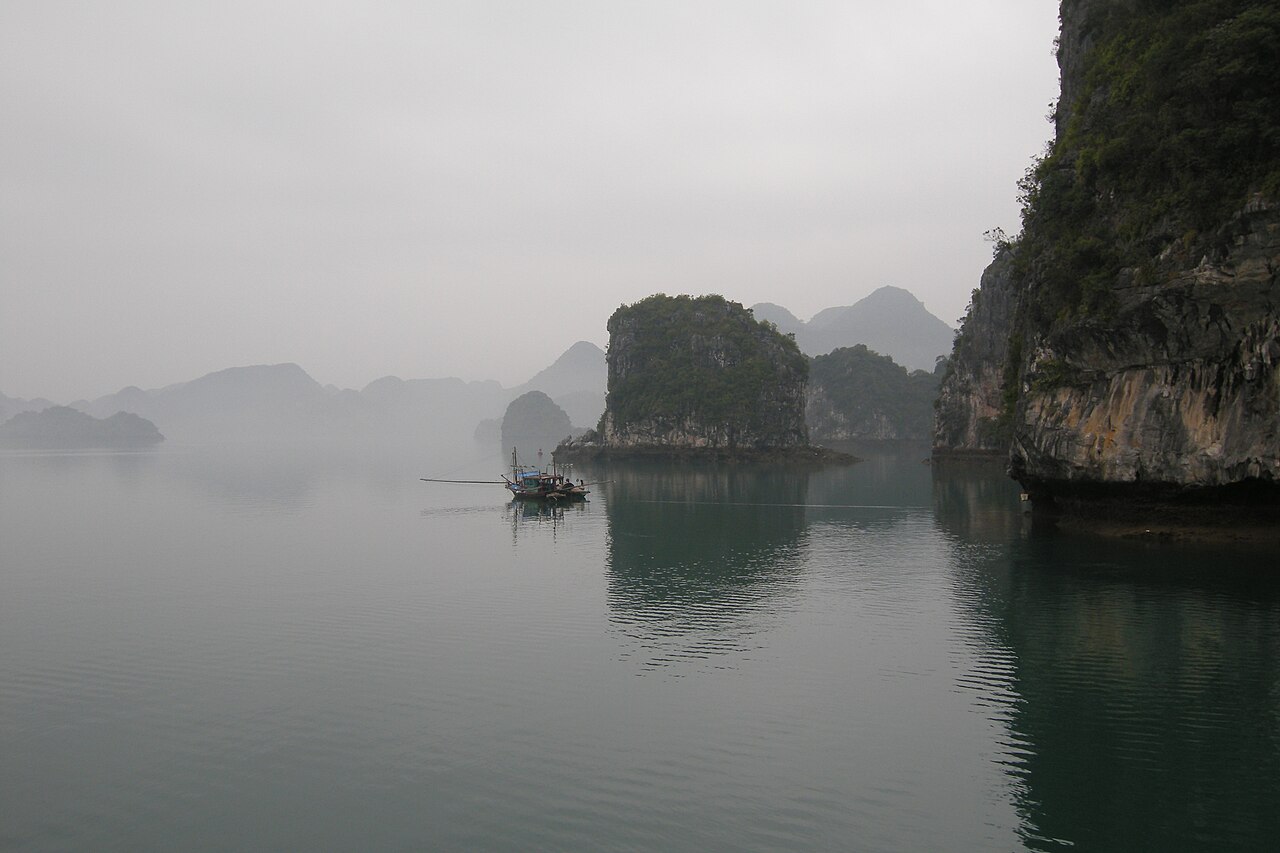
When kayaking, stay with authorized groups and follow guides on tides and channels. In caves, watch wet steps and avoid touching formations. Bring refillable water, sun protection and a light layer for wind on deck. Thoughtful behavior protects both visitors and the landscape.
A realistic two-day Ha Long Bay itinerary
For two days and one night, leave Hanoi in the morning with a generous transfer buffer. Check in at the correct terminal, listen to the safety briefing, and settle aboard. The afternoon should include one or two meaningful activities, perhaps a cave walk and a guided paddle, rather than a race through every advertised attraction. Sit on deck after the day boats depart; the shifting color of the cliffs is one reward of sleeping on the water.
The next morning, enjoy the quiet hours if conditions allow, then return to port and travel onward. If continuing to Cat Ba, confirm the actual transfer because the island and Ha Long City are not interchangeable pickup points. With three days, consider another night aboard or on Cat Ba for a hike, village visit or less hurried sea excursion.
For a day trip, leave early, choose one main sightseeing route and allow time for boarding delays. A slower day with two memorable stops often feels richer than five rushed photo opportunities. The goal is not to collect island names but to experience the bay without constant clock-watching.
The booking checklist that saves disappointment
Request a written itinerary with the bay, terminal, approximate hours on the water, planned activities and poor-weather alternatives. Verify vessel licensing, suitability for your group and clear cancellation conditions. Reviews are useful for patterns, especially guide quality, cleanliness and surprise transfers, but a five-star average tells you little about your exact route.
Ha Long also has a culinary life ashore. Try cha muc, the region's springy fried squid cake, and explore local seafood places after a cruise rather than eating every meal in a tourist terminal. A night on land may suit late arrivals better than a hurried embarkation. You do not need the costliest cabin to find the magic of the bay; you need an honest itinerary and time to enjoy it.
Quick answers before you go
Is Ha Long Bay worth visiting without an overnight cruise? Yes, especially if you start near the port and choose a paced day boat. Is Lan Ha the same place? No, although permitted routes now connect parts of the two bays. Can weather cancel a cruise? Yes; marine authorities may suspend departures. Is it suitable for children? Often, but safety equipment and access vary by vessel. When should you book? Earlier for popular holidays, while keeping flexibility during storm-prone periods. The best Ha Long trip starts before boarding: choose the waters you care about, ask practical questions and leave room to be surprised.
References and further reading
Primary heritage and visitor information used to verify the historical, conservation and practical details above. Ticket rules, routes and access can change: confirm with the relevant operator before travel.
- UNESCO: Ha Long Bay – Cat Ba Archipelago World Heritage property
- Quang Ninh government: Ha Long–Lan Ha route agreement (2026)
Continue exploring Vietnam
Ready to experience Vietnam for yourself?
Discover additional itineraries and travel resources from our trusted partner sites.
Explore Vietnam journeys