Fansipan 2012: Four Days in the Wilderness Before the Cable Car
Four days, three nights, one camera and the footsteps of our youth in the Hoang Lien wilderness.
When every journey began on foot
In 2012, before Fansipan had a cable car, climbing the mountain felt like stepping into a true wilderness adventure. There was no cabin to lift us above the canopy and no shortcut around the exhausting trail—if we wanted to reach the top, we had to walk.
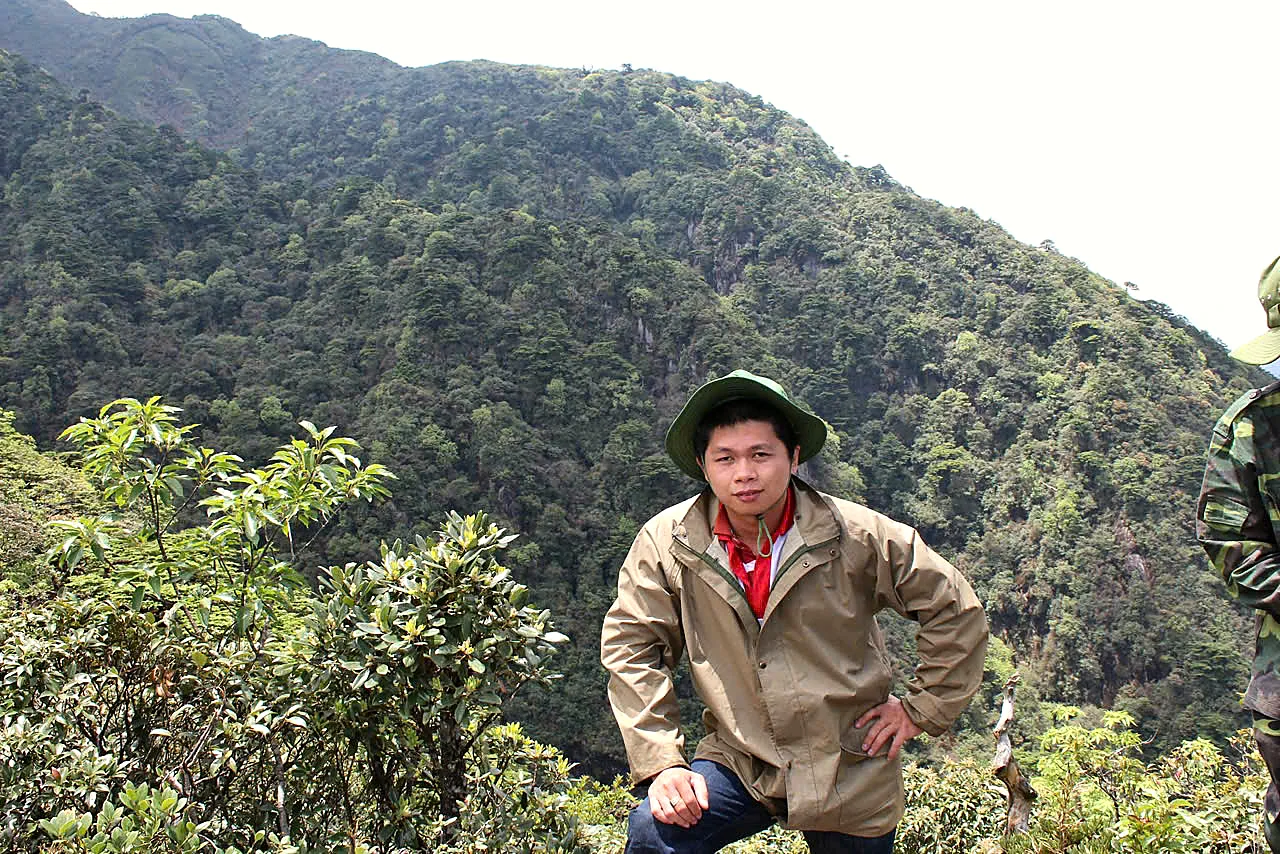
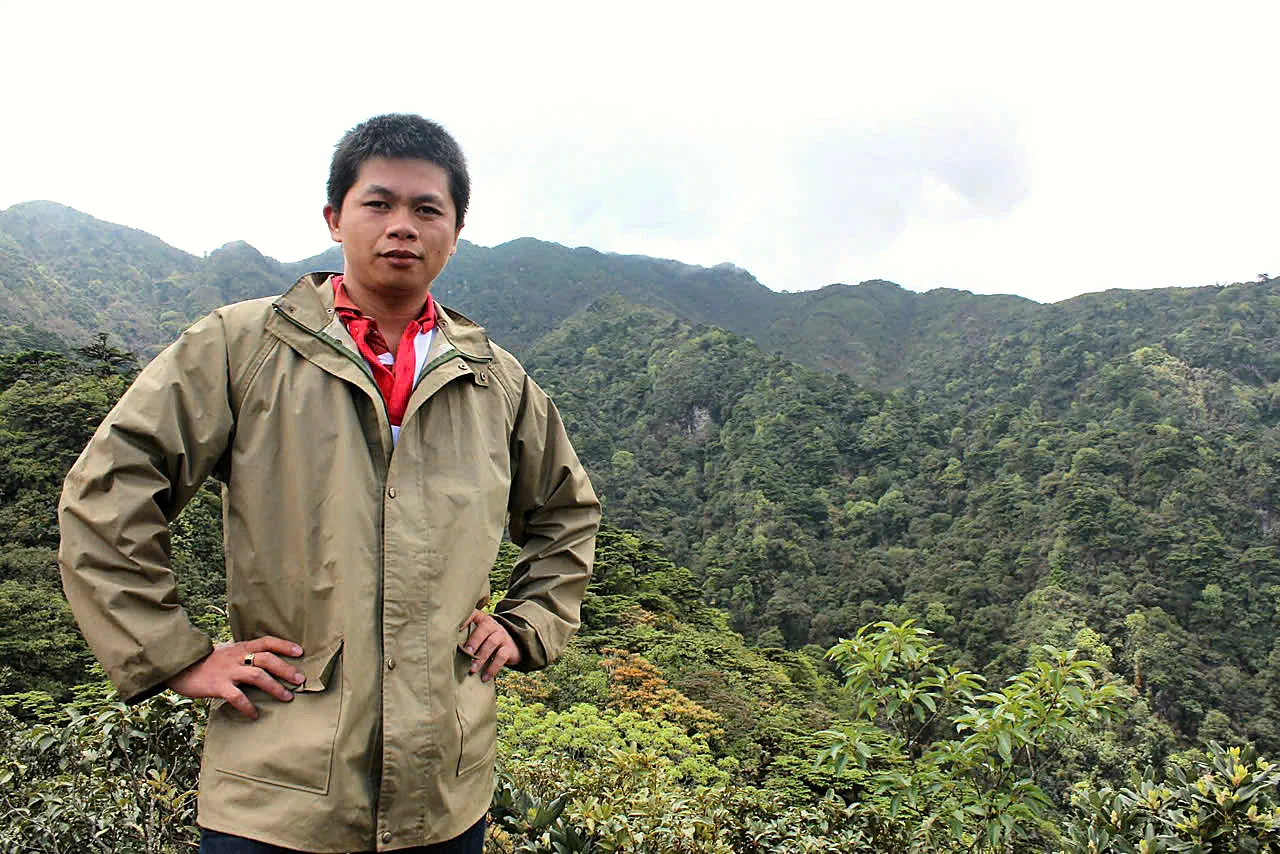
We packed hats, raincoats, sturdy hiking boots, sleeping bags, and a good camera, hoping to hold on to the moments we'd want to remember. We set off with youthful energy, curiosity, and a little apprehension about the four days and three nights ahead.
What drew us in wasn't just Fansipan's height, but the chance to leave everyday routines behind and step into a landscape where every turn could bring something unexpected. From the very start, each step felt like a quiet mark of perseverance and commitment.
Into the Hoang Lien forest
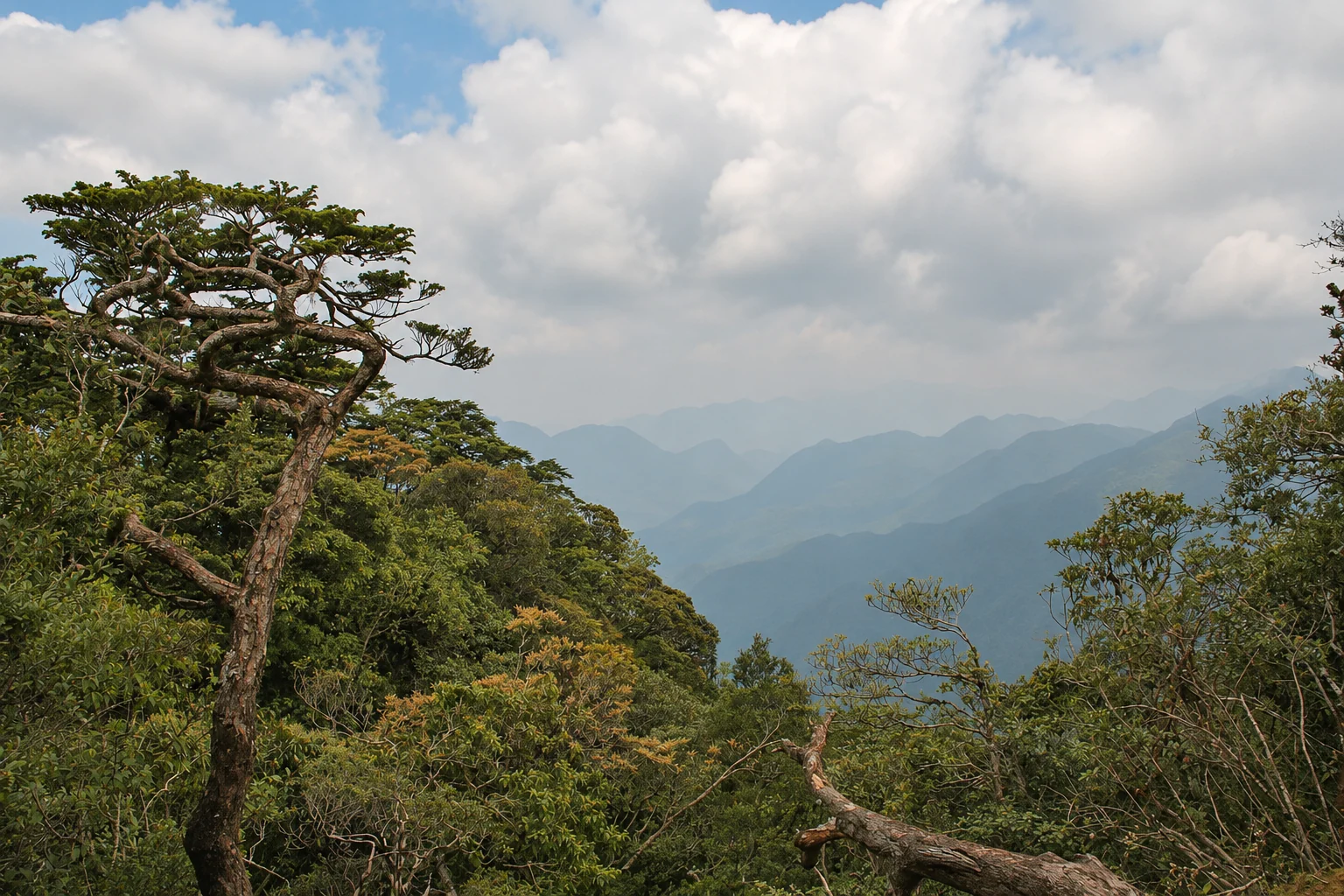
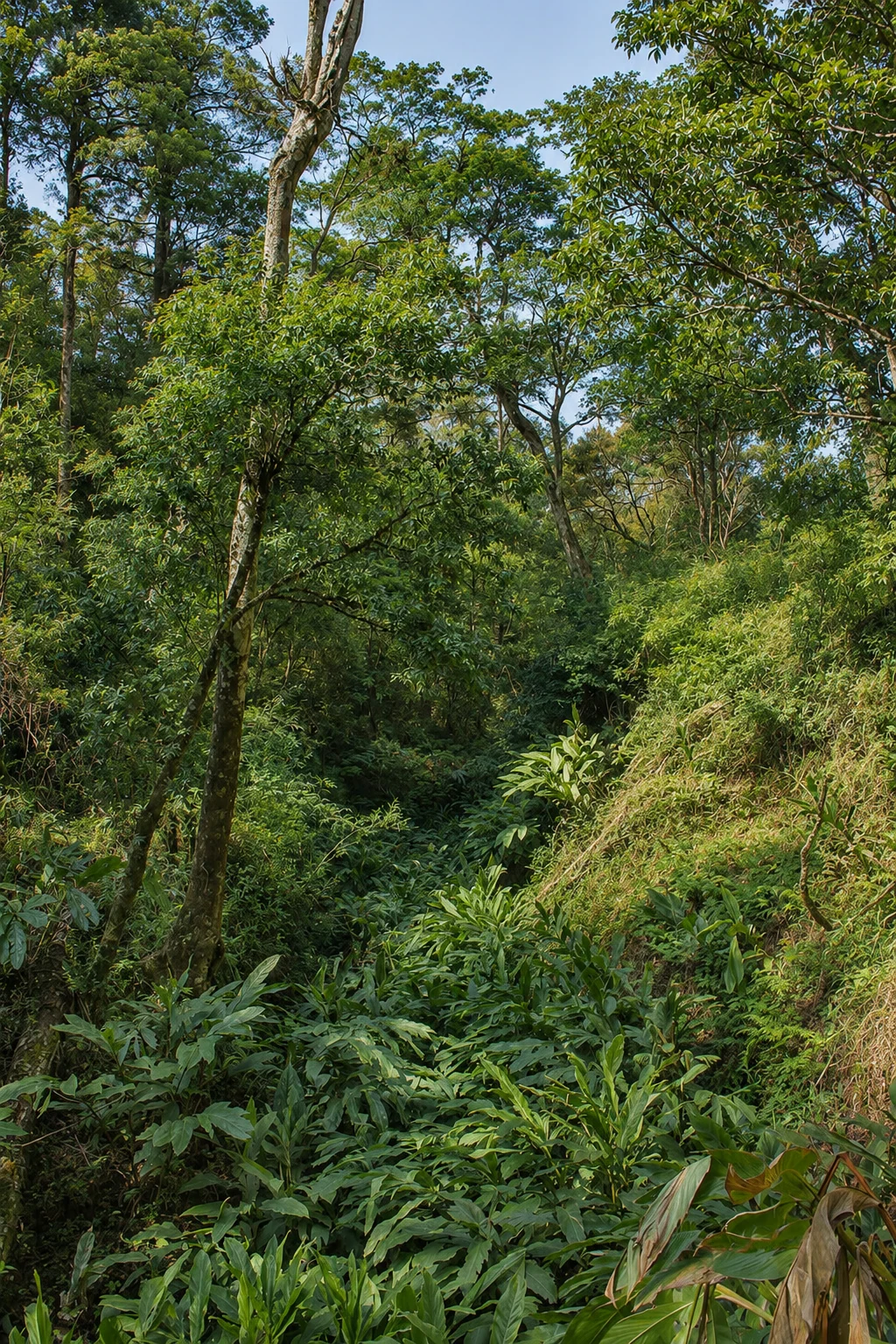
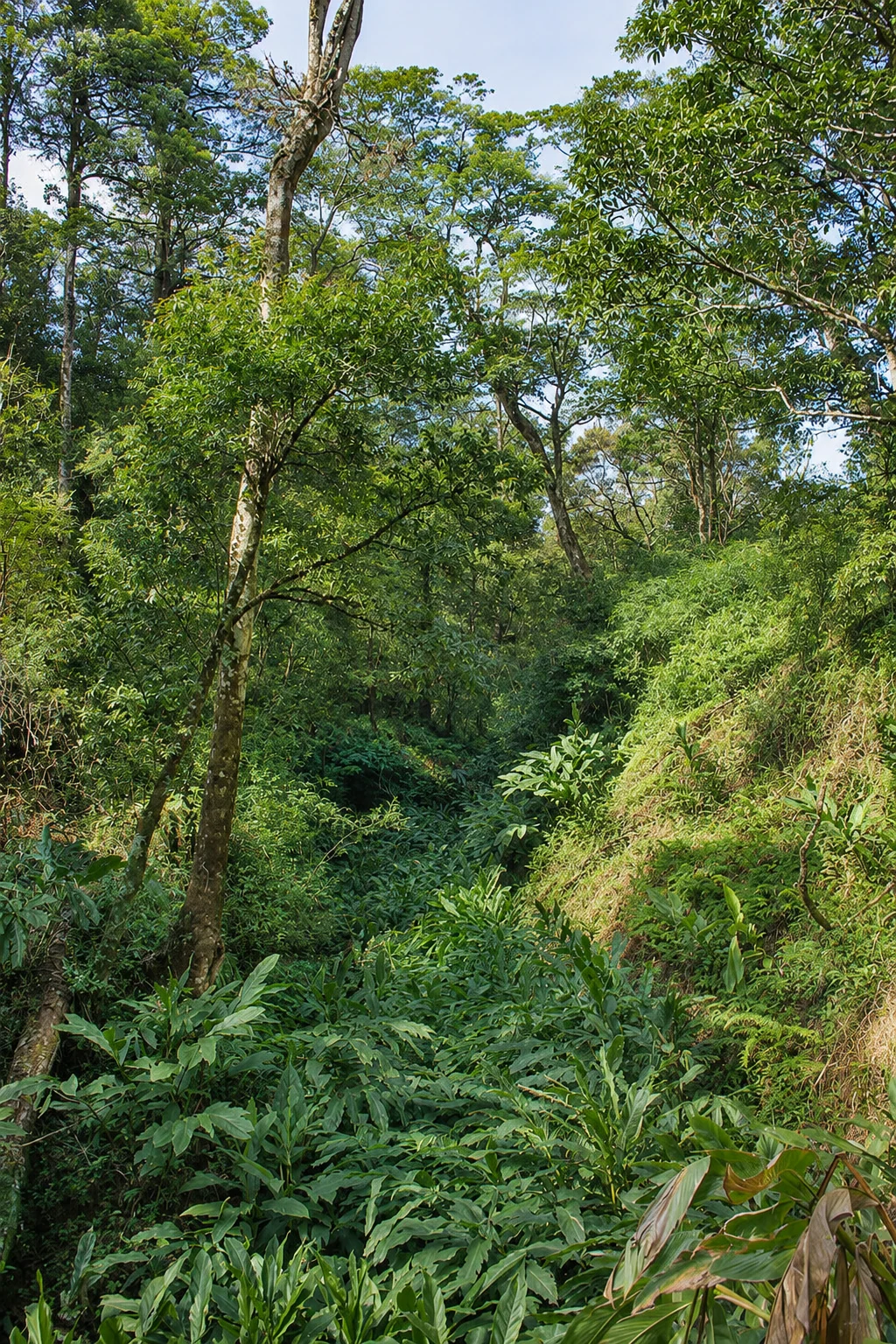
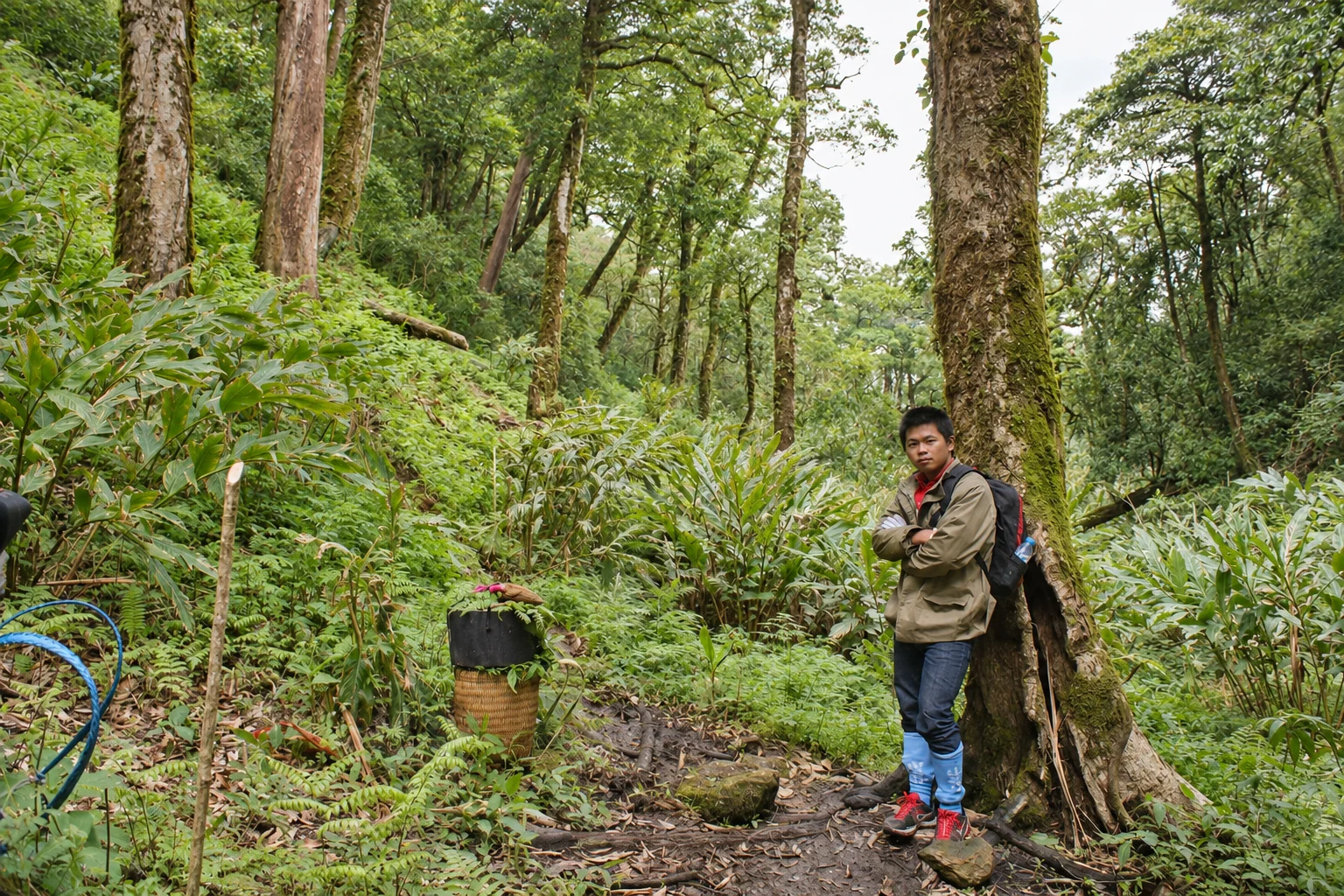
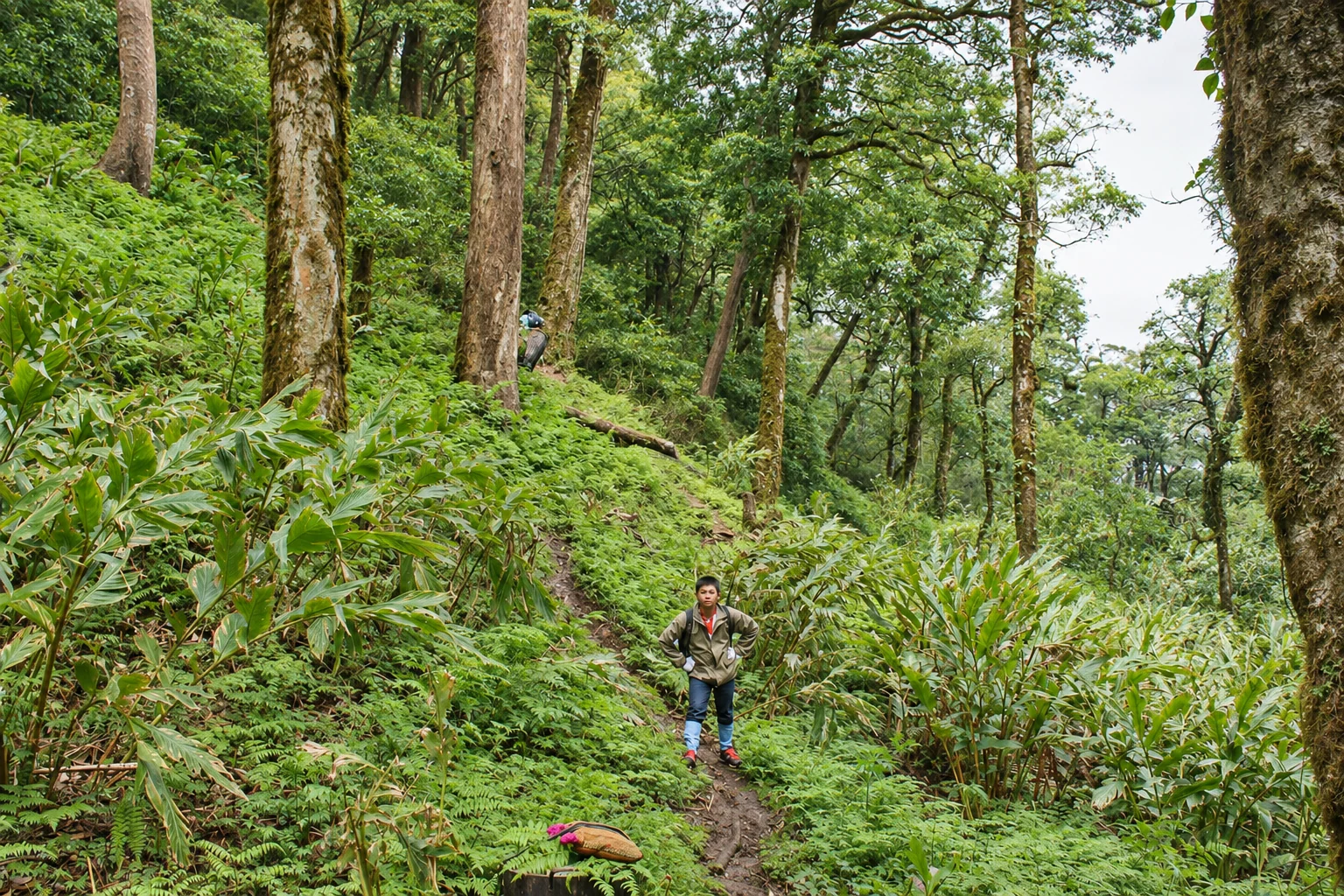
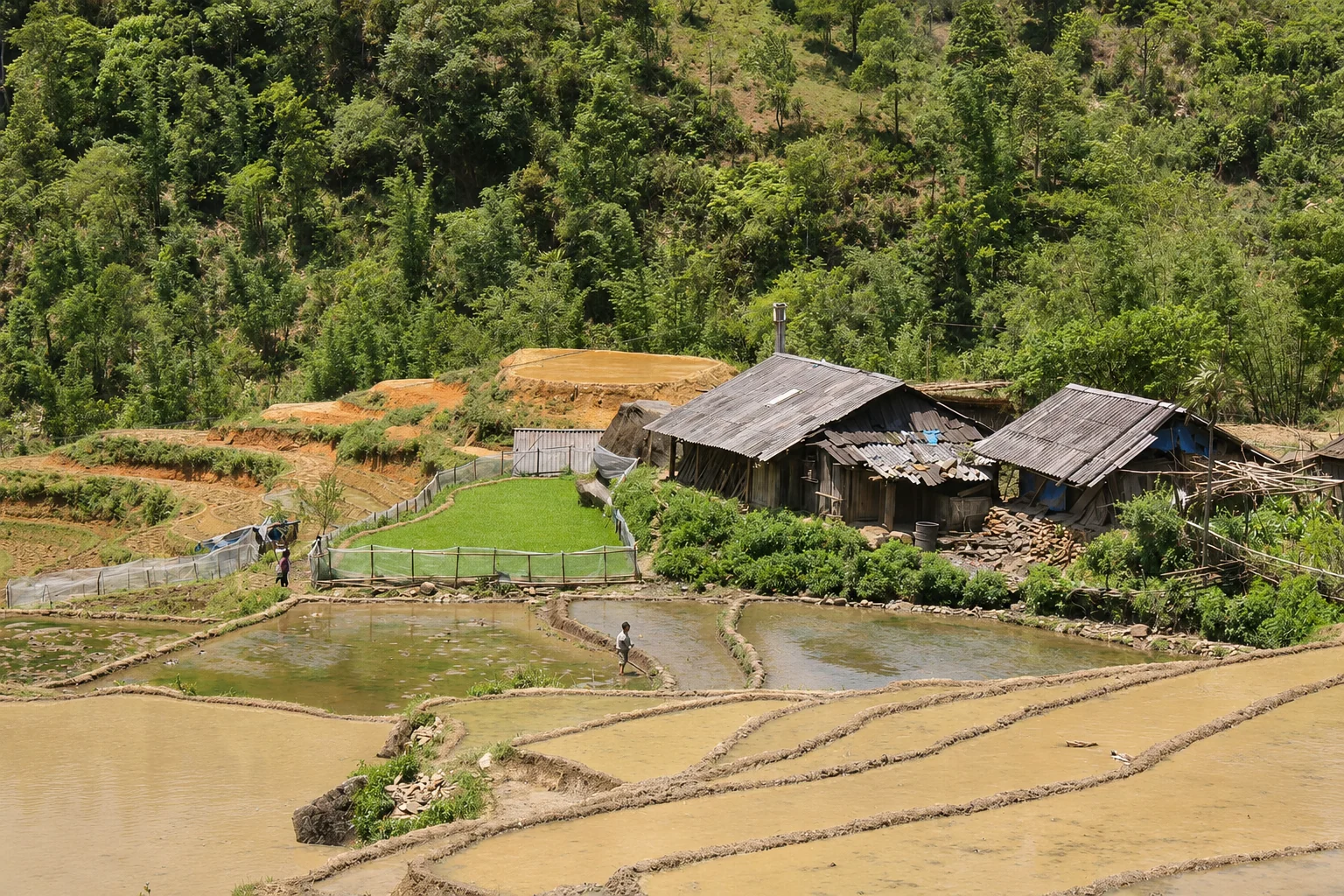
Fansipan rises in the Hoang Lien range near Sa Pa, where steep mountain terrain and dense forest can turn a long walk into a real test. Leaving the trailhead behind, we followed earthy footpaths, sharp inclines, and stretches of woodland that seemed to go on forever. Underfoot, the ground shifted from soft soil to slick rock and tangled tree roots, forcing us to be deliberate with every step.
Out in that deep green stillness, even the simplest gear suddenly felt invaluable. The familiar hum of city life faded away, leaving only our breathing, the crunch of our boots, and the companions walking beside us.
Along the way, we learned how to pace ourselves, read the terrain, and respect the rhythm of the mountains. Every step felt like a silent pact with the earth: we would keep moving forward, knowing full well that the wilderness would always set its own terms.
The people who made the journey possible
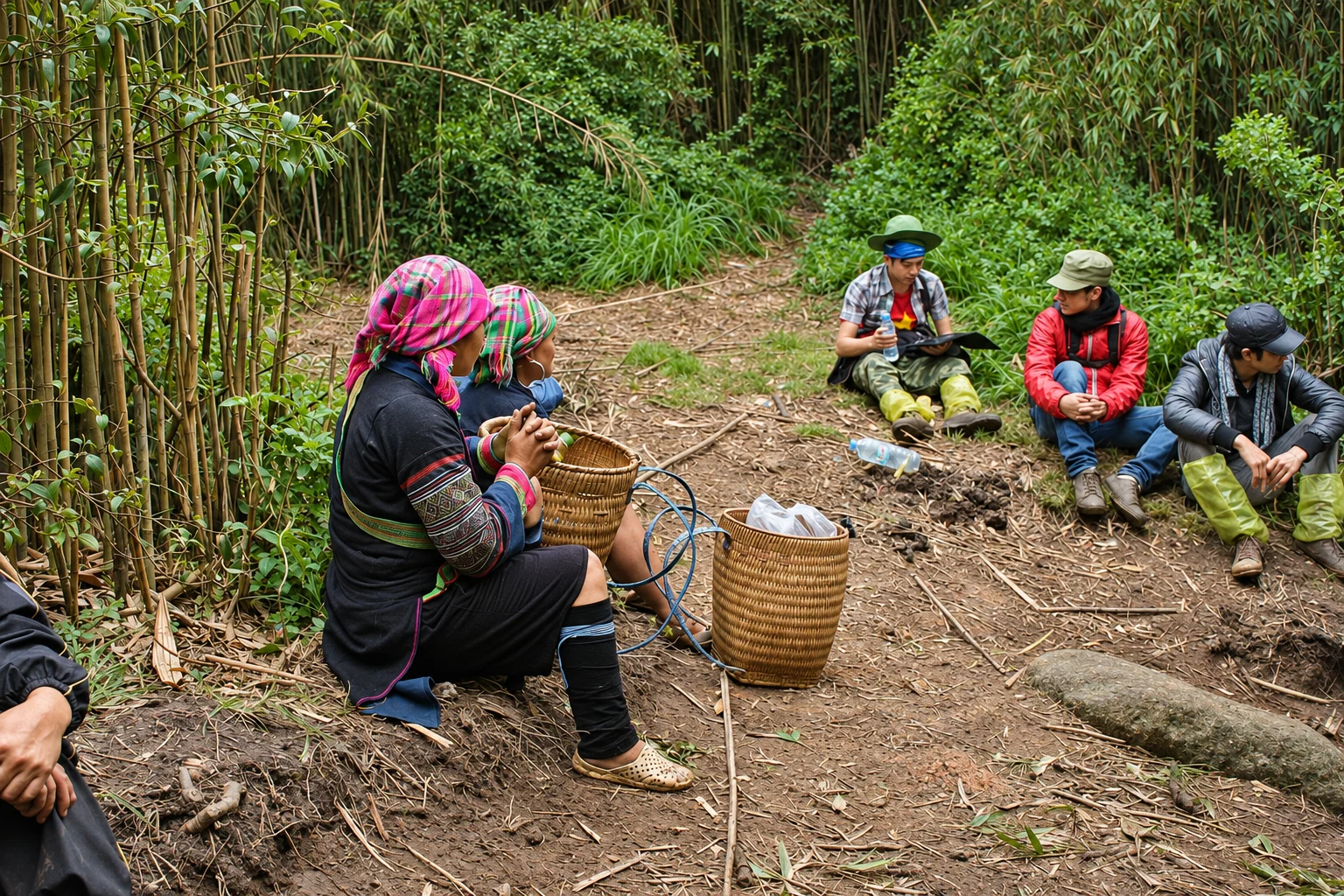
We weren't out there on our own, either. Local ethnic minority porters accompanied us, carrying cooking gear, food, and other essential supplies. Having them along reminded us that a mountain expedition is never just the story of the people hoping to stand at the summit—knowing the terrain, organizing provisions, and understanding life in the forest are just as vital.
During our breaks along the trail, we'd catch our breath, share water, and get ready for the next push upward. What stays with me most vividly isn't just the scenery, but the feeling of sharing a challenge—walking the same path while each person carried a different responsibility.
Looking back, we feel genuine gratitude for the people whose hard work and local knowledge made our adventure possible; any meaningful trekking story owes them a place right alongside the photographs of the mountain itself.
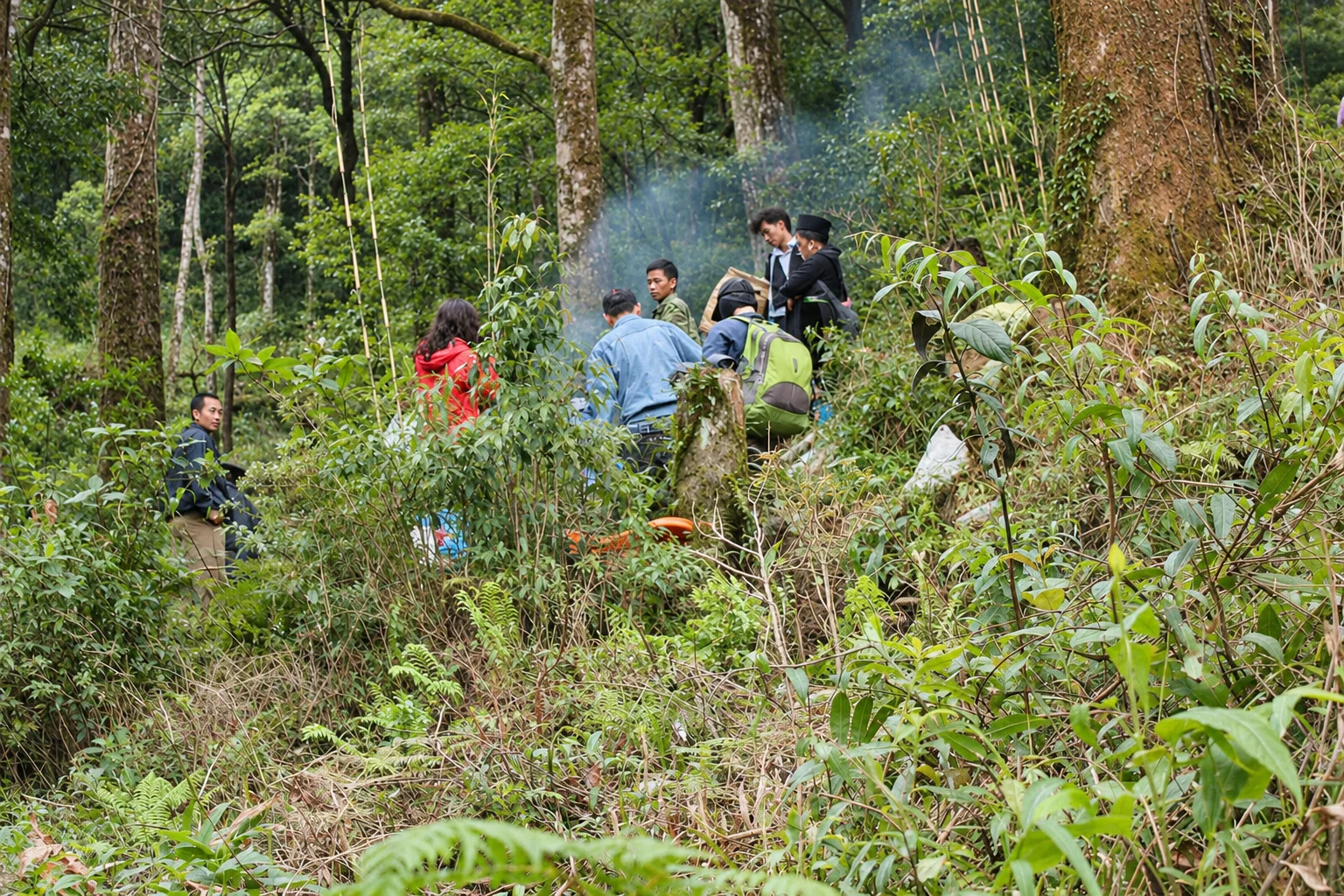
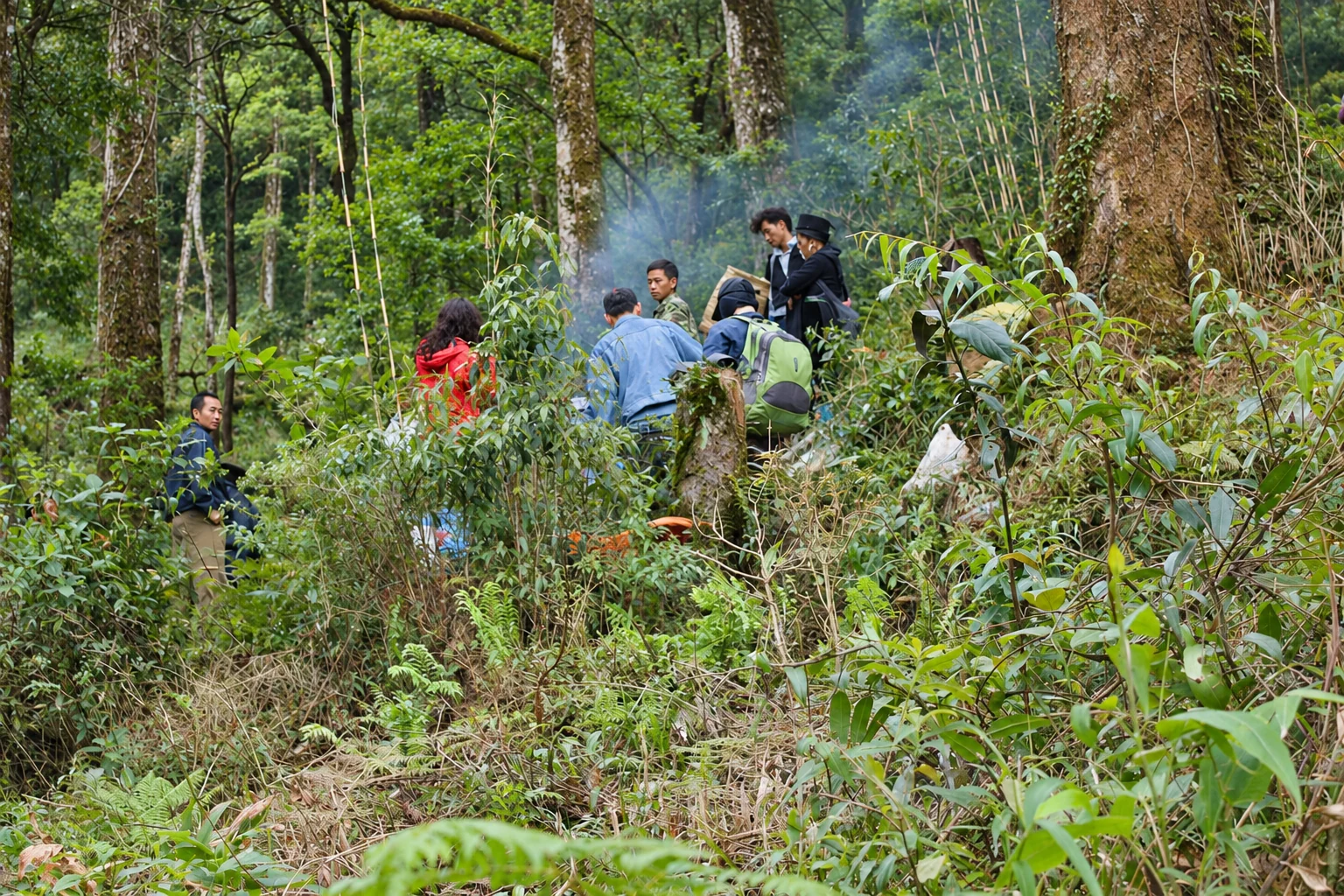
Four days and three nights: eat, rest, keep moving
For four days and three nights, life in the forest settled into something wonderfully simple: eat to refuel, rest to recover, then pack up and get back on the trail. After hours of steady climbing, even a brief pause felt like a reward.
A meal in the mountains didn't have to be fancy to be memorable, especially when we knew how much effort it took just to carry those supplies into the wilderness. As the days wore on, we also realized that exhaustion wasn't necessarily a sign of failure—sometimes it was just a gentle reminder to slow down, drink some water, and save our strength.
A multi-day trek can't run on excitement alone; it takes endurance and adaptability. That steady rhythm of walking, eating, resting, and walking again gradually carried us closer to the summit, quietly reshaping how we understood our own limits.
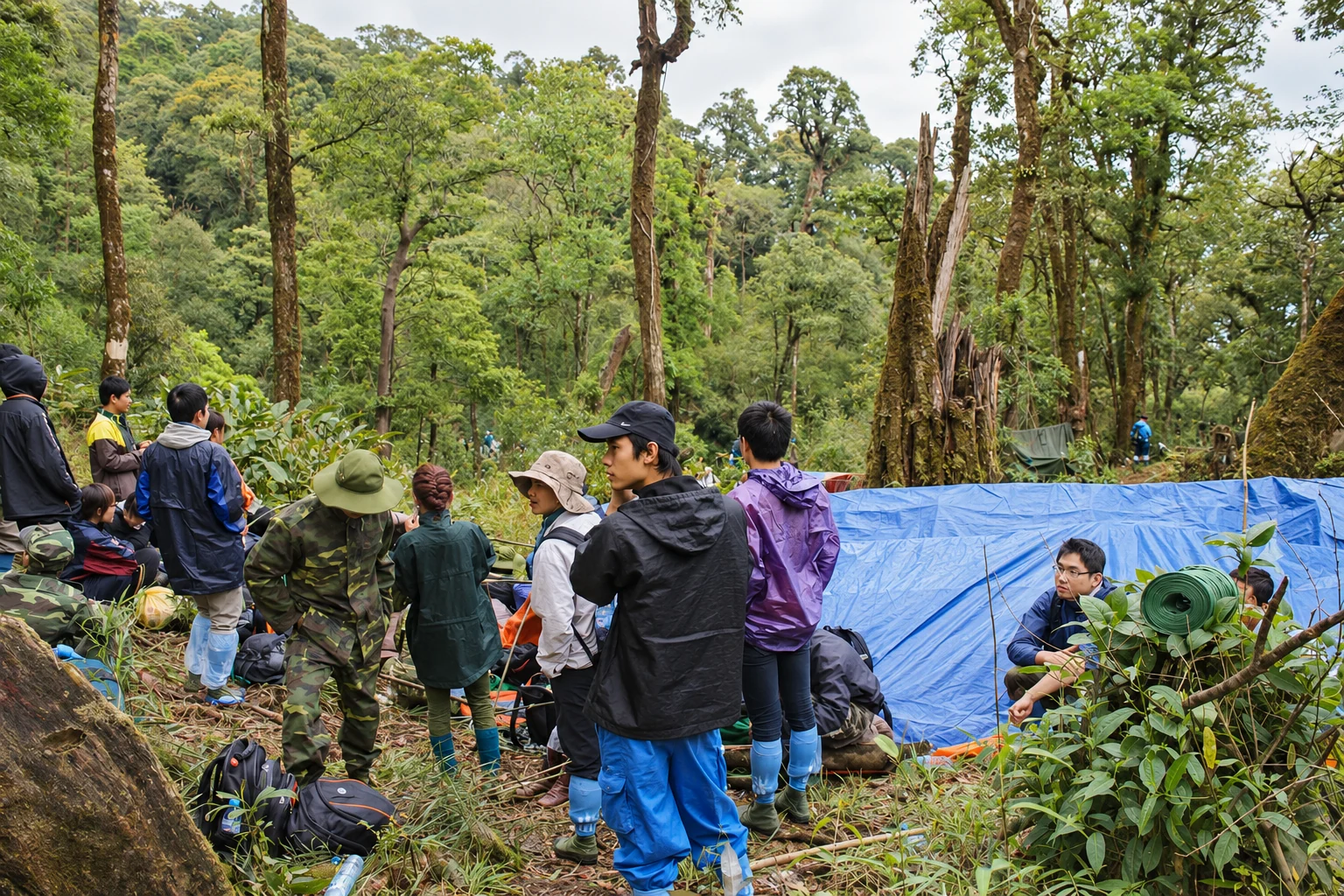
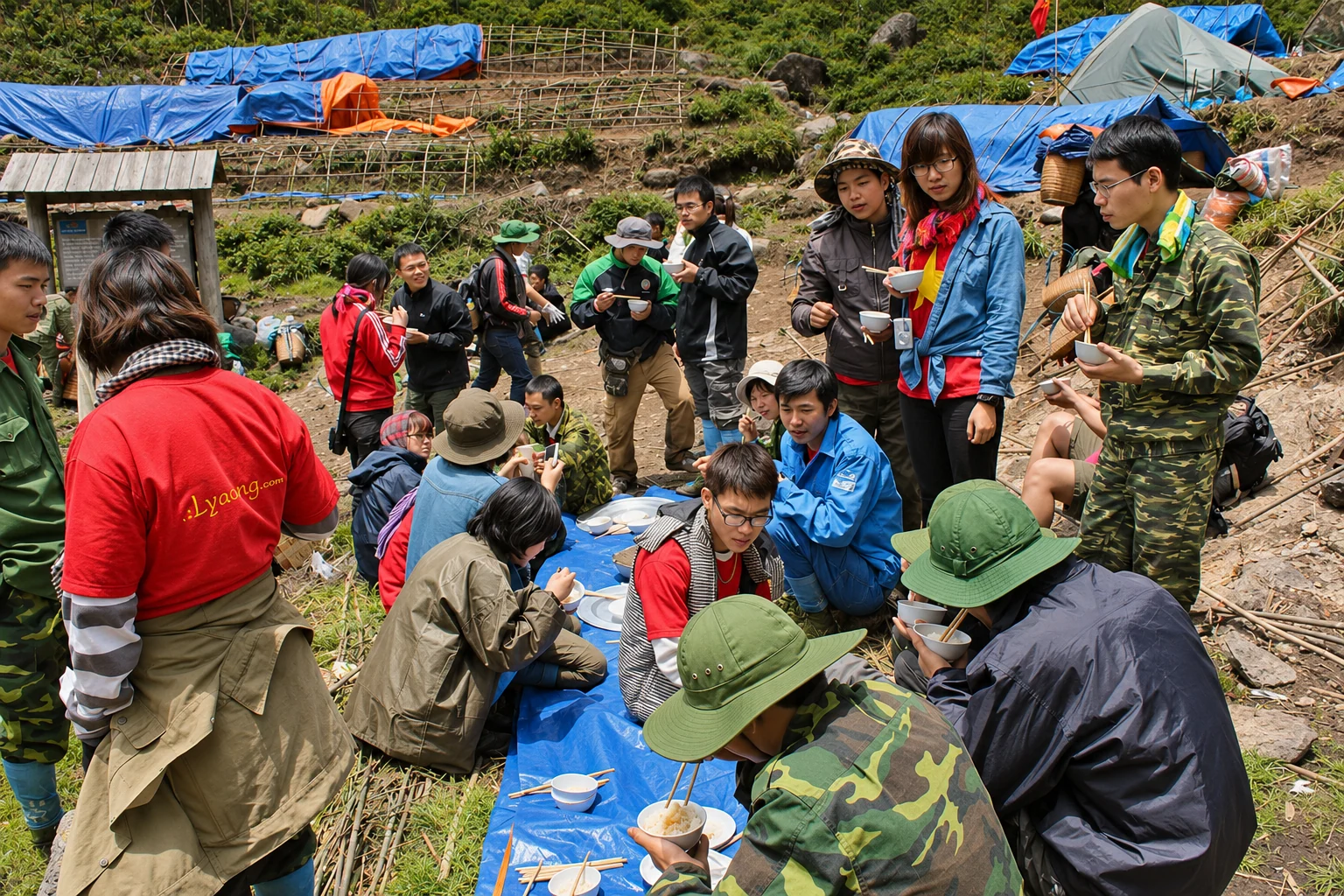
Cold mist and nights in the forest
When night fell, the forest showed a completely different side. Cold mist and darkness rolled in, turning our sleeping bags into welcome shelters. Stripped of city comforts, we became much more aware of our own physical limits—and of how vast the natural world really is.
Those nights in the wilderness were both a chance to recover and a quiet space to reflect on the miles behind us. After a demanding day on our feet, simply lying down felt like a small luxury, and by morning we were ready to start again with fresh determination.
What stays with me about those nights isn't just the cold—it's the feeling of being completely immersed in an adventure, with no schedule to rush back to and no small distractions. Our focus narrowed down to what actually mattered: staying warm, regaining strength, and getting ready for the next stretch ahead.
Along the high mountain ridges
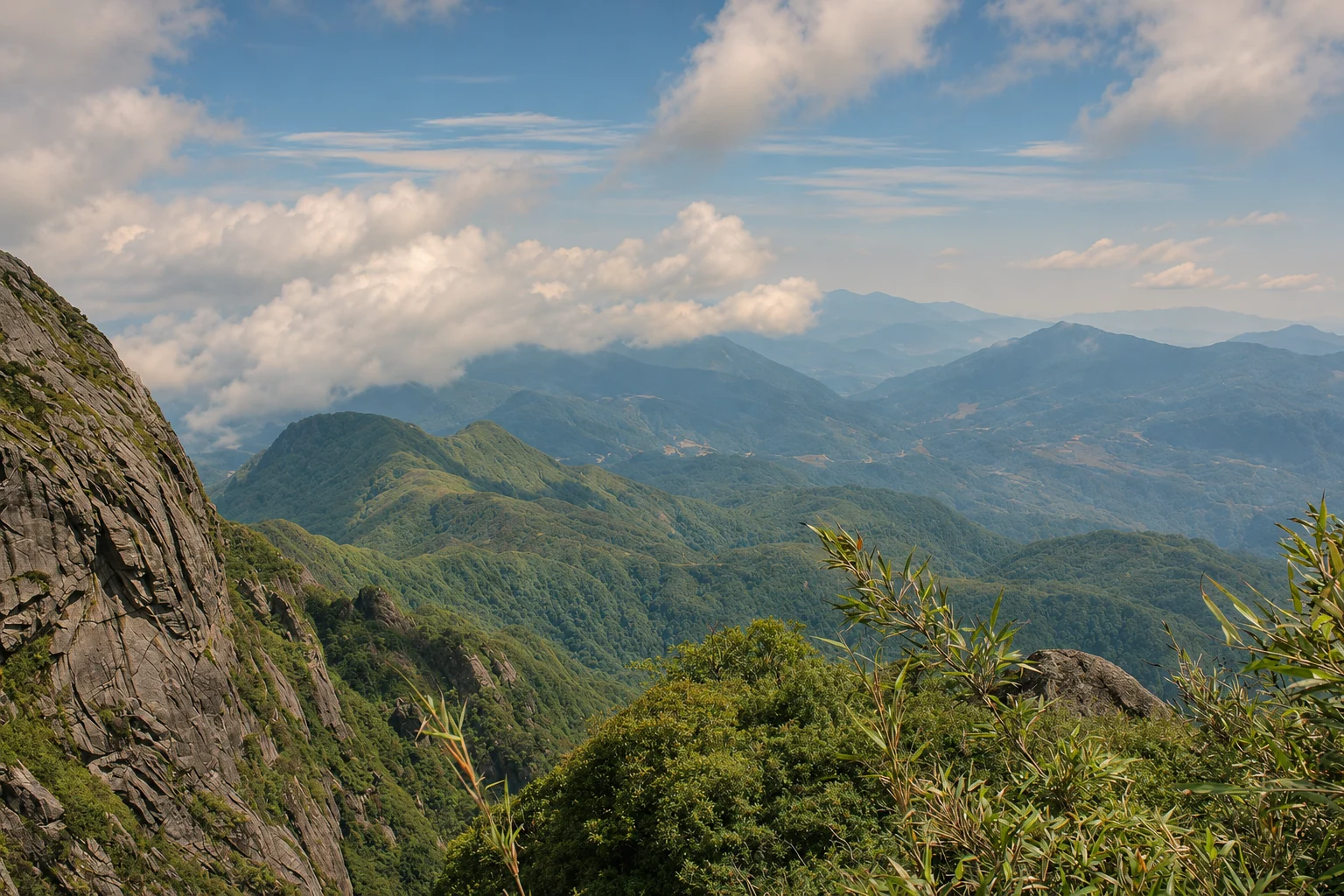
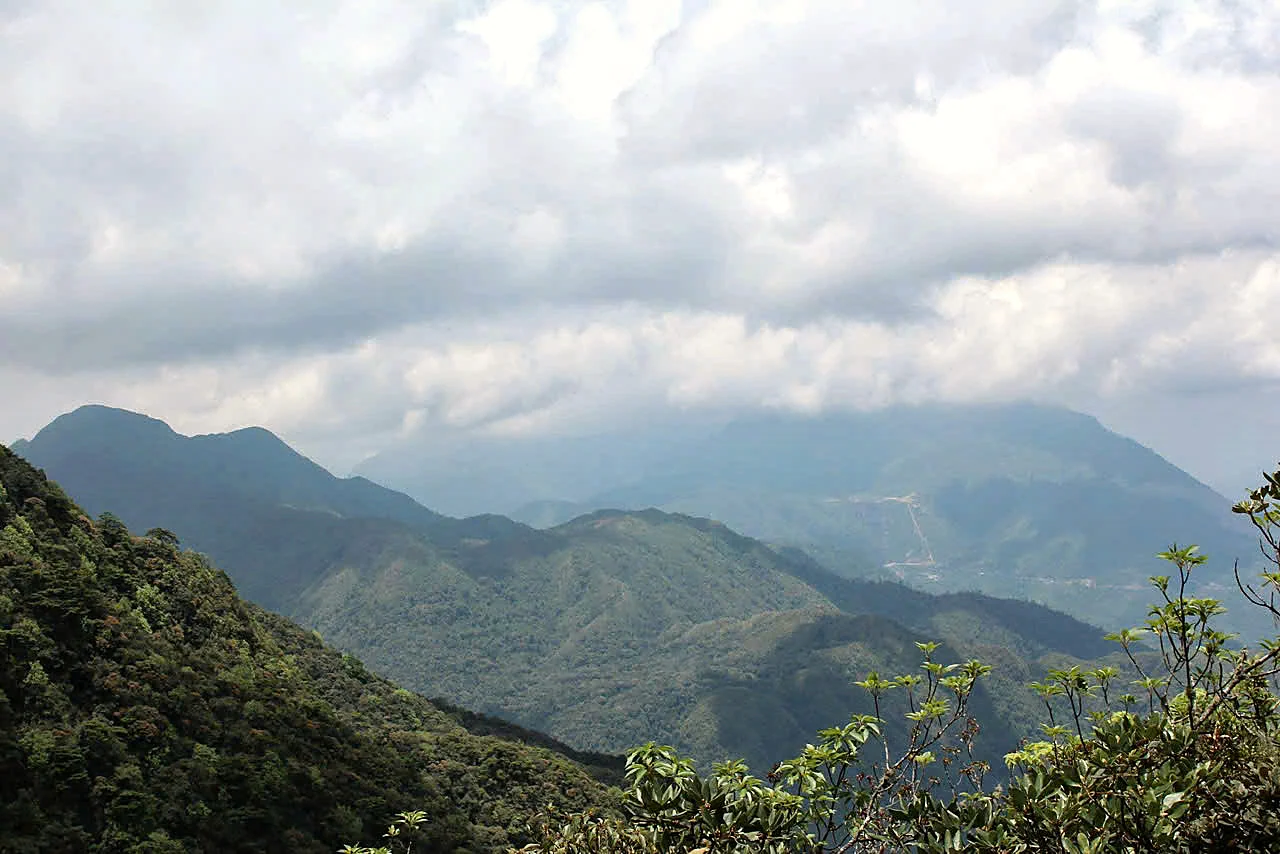
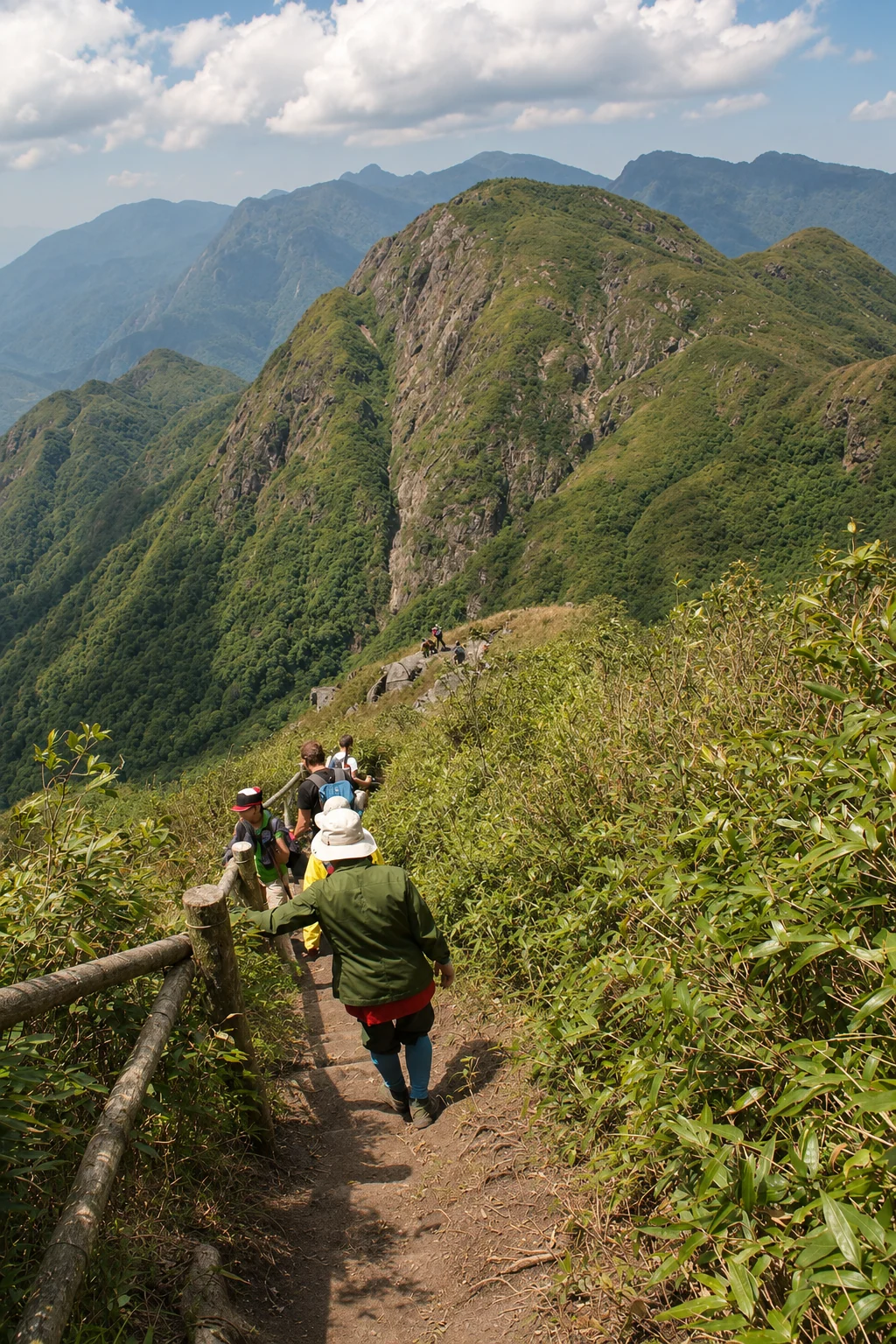
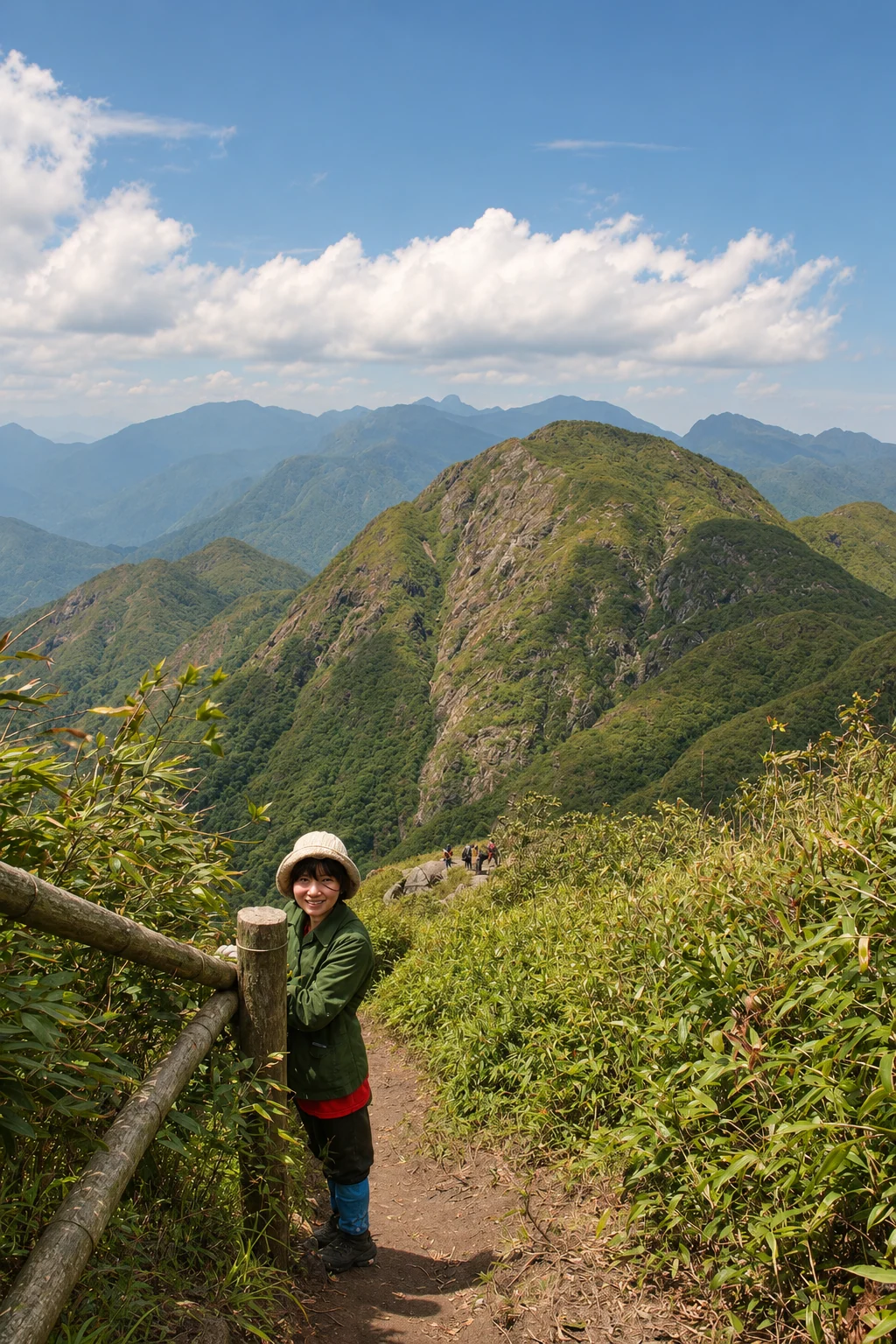
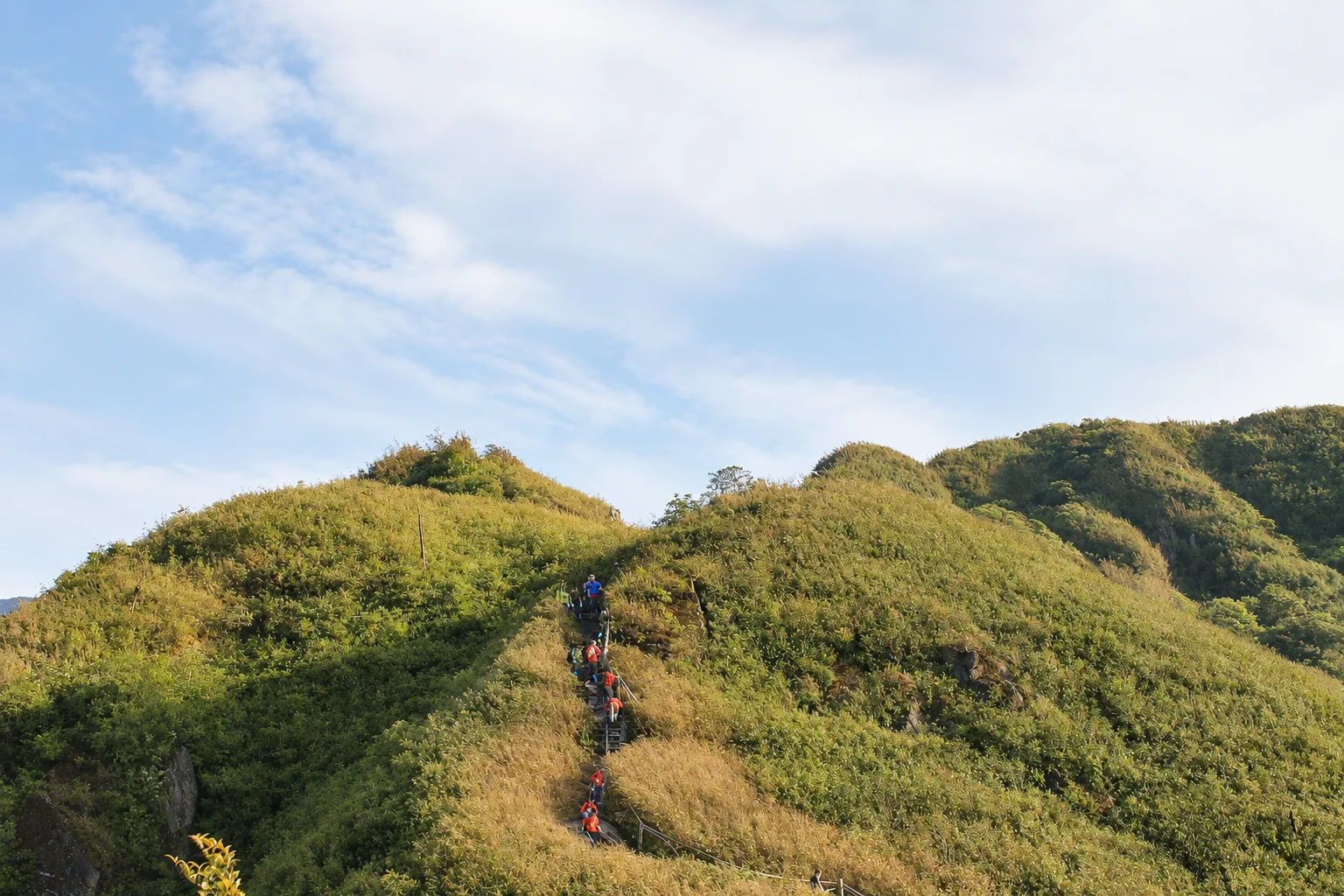
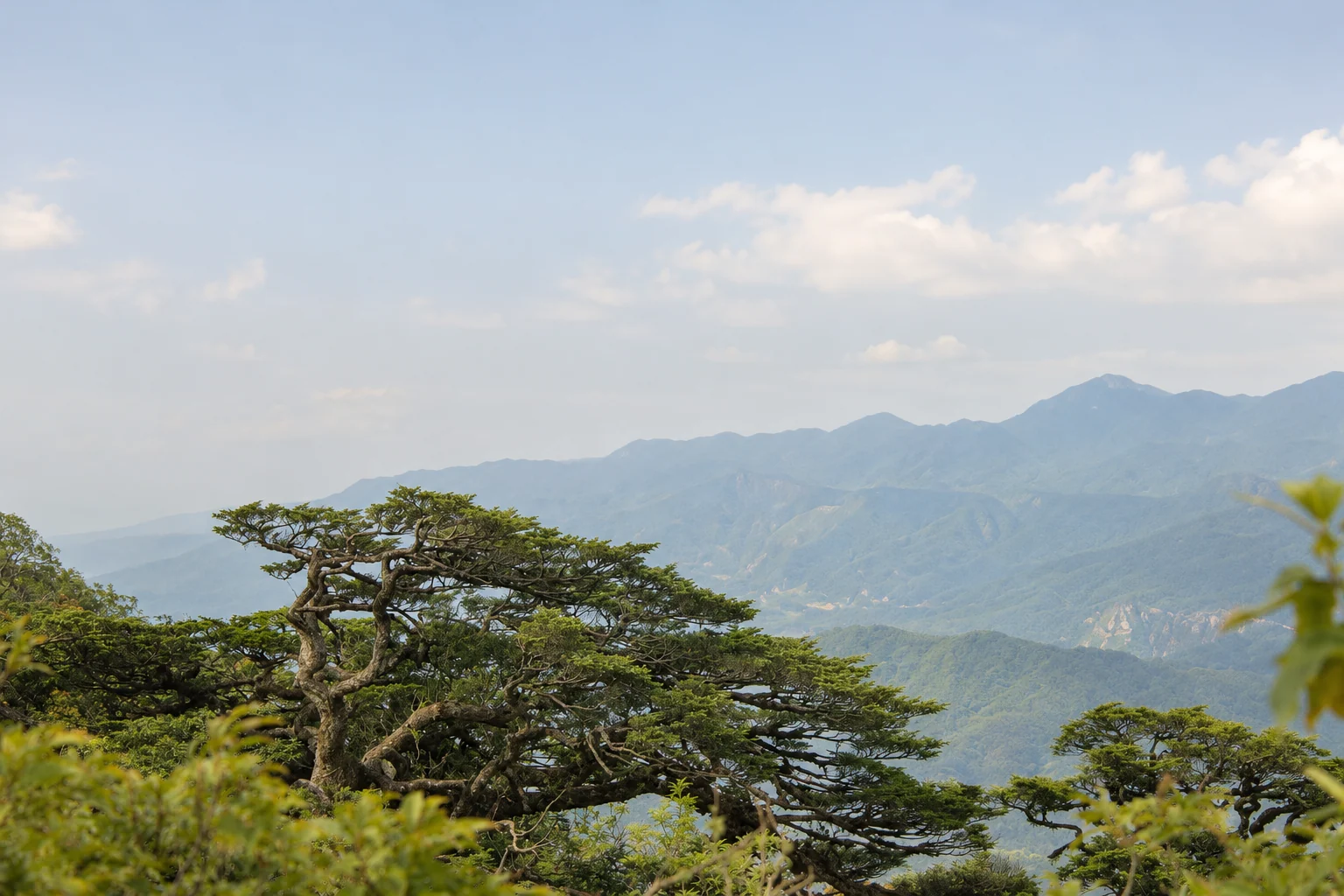
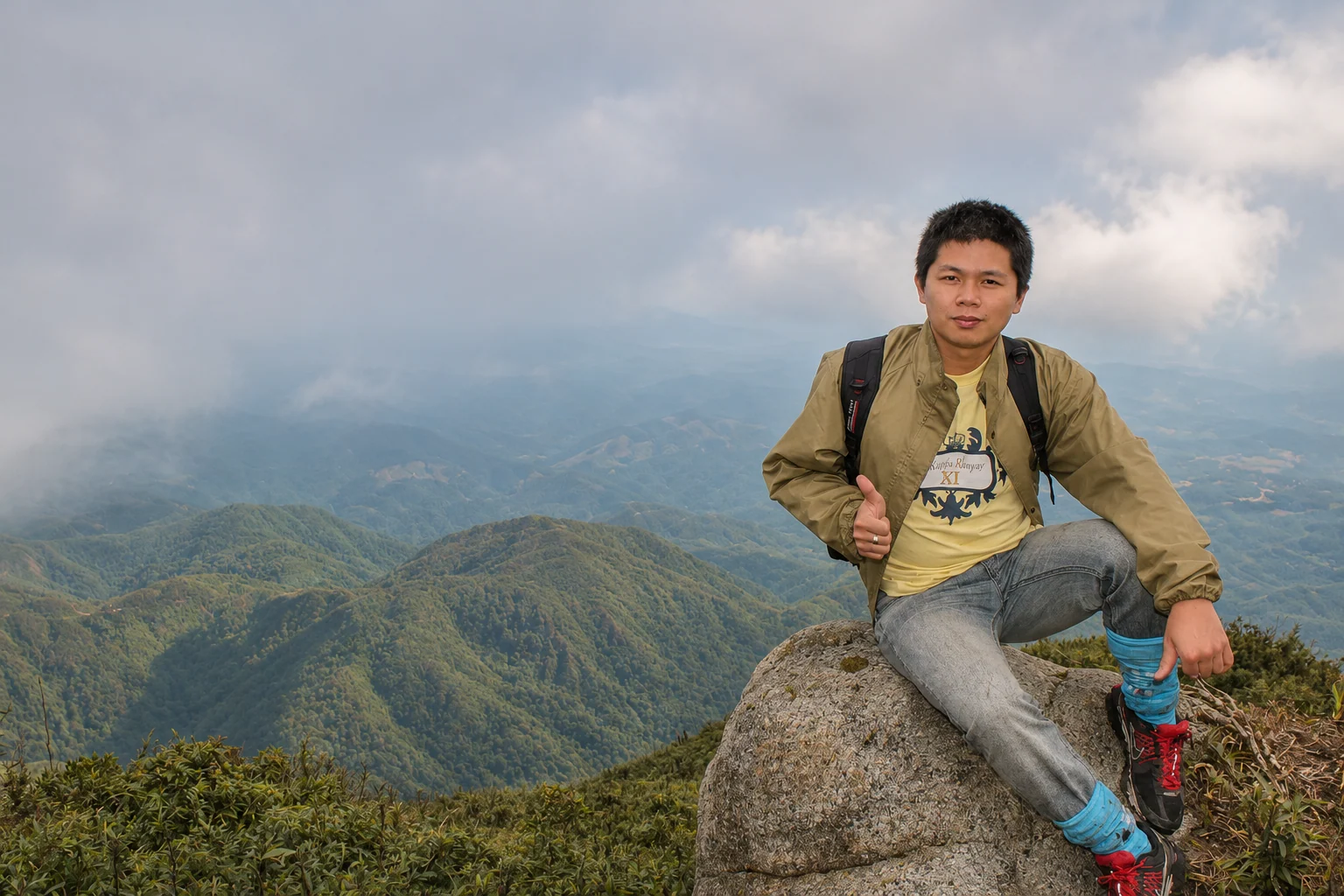
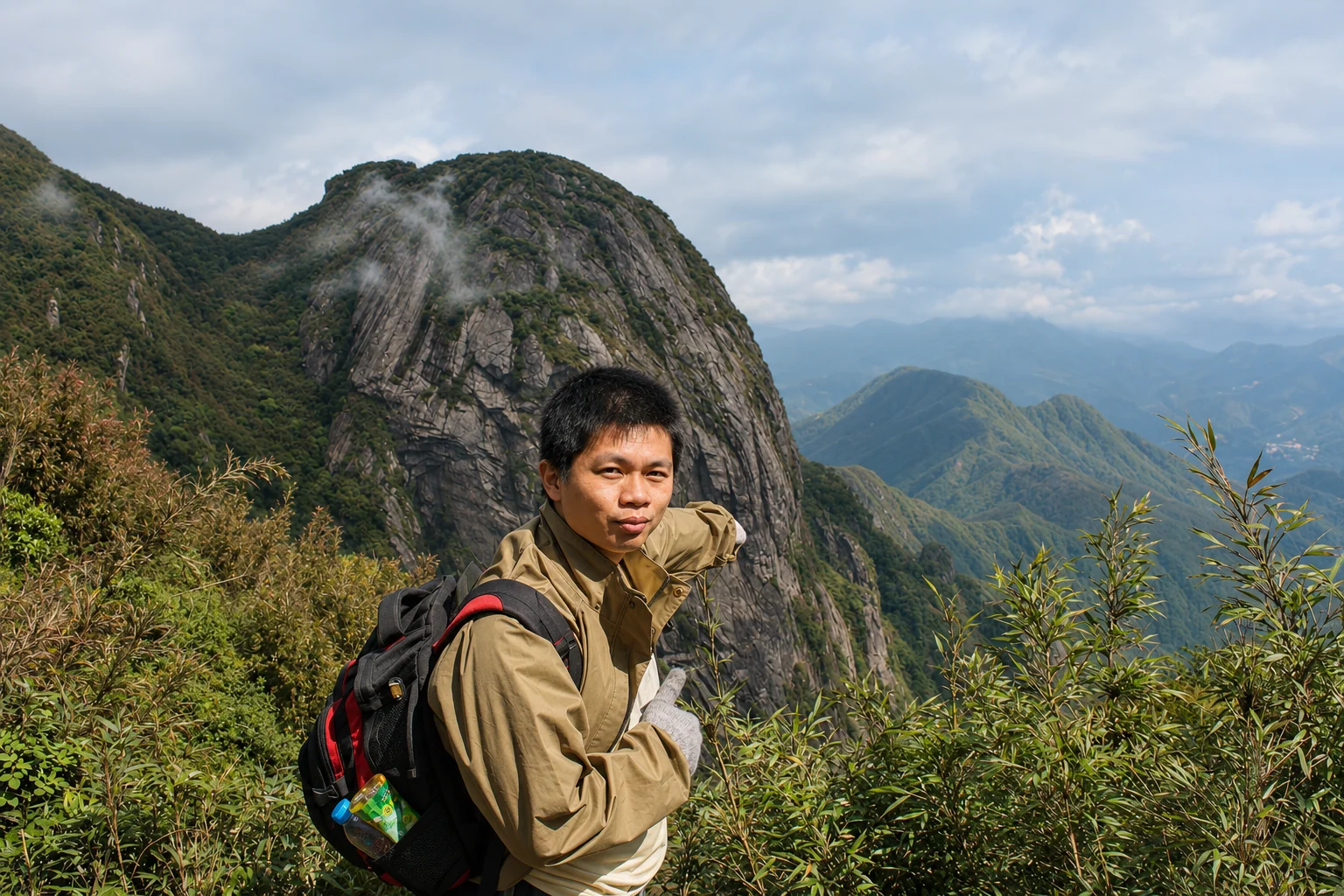
Once we climbed out of the dense forest, the mountain scenery began to open up in sweeping layers. Green ridges rolled toward distant peaks fading into the clouds, with narrow trails winding their way across the slopes—the kind of views you can't truly take in on a hurried trip.
Walking gave us the time to watch the horizon, notice how the light shifted, and feel how small a person really is among towering peaks. We reached for the camera often to capture what we saw, yet some of the truest parts of the experience never fit inside a frame: the heavy breathing on a steep climb, the ache in tired legs, or the quiet satisfaction of finishing a grueling stretch.
Those unseen details are what gave the panoramas their real weight—every view had been earned through time and effort, not simply reached at the end of a short ride.
The summit and the lens of memory
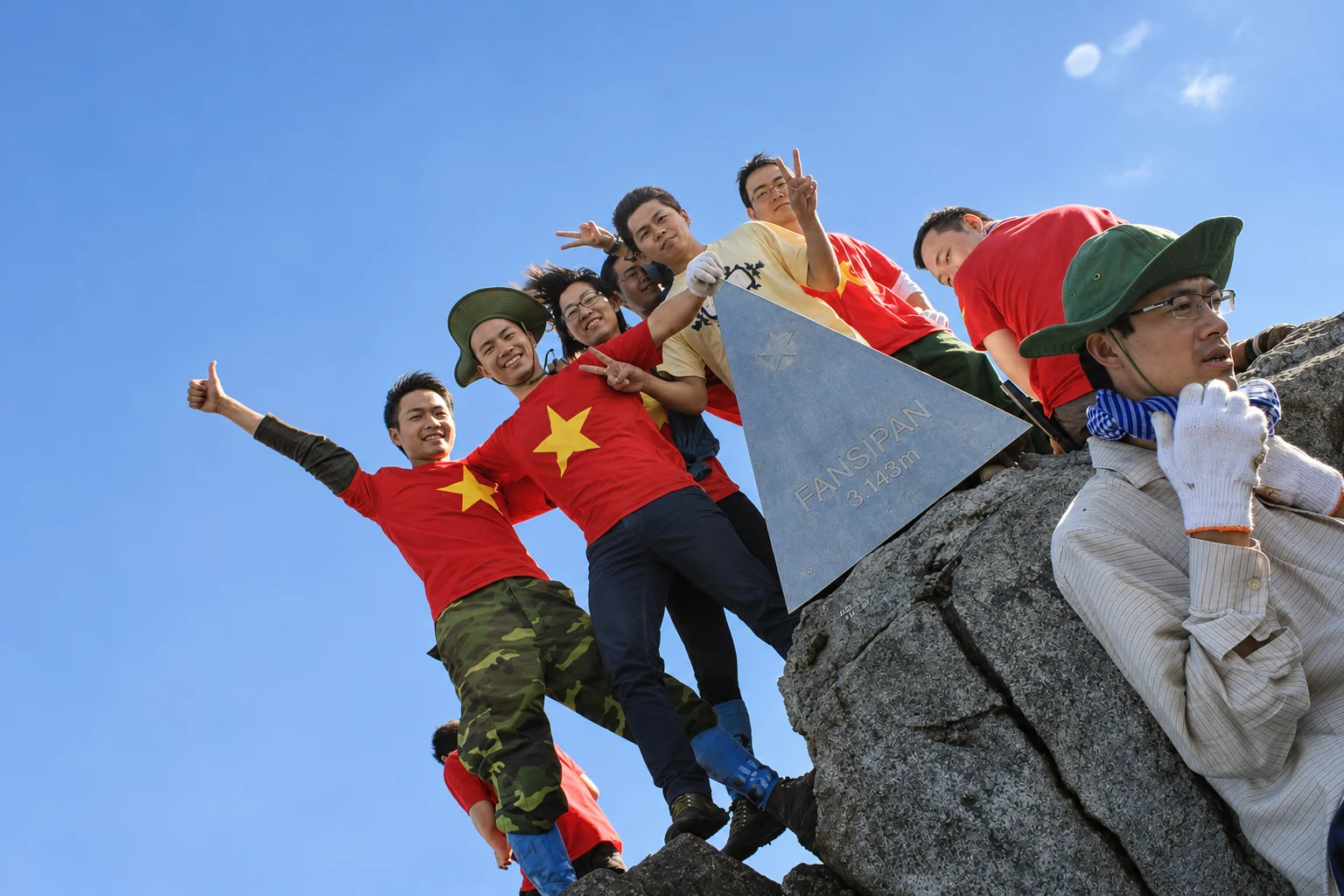
Eventually, we stood before the peak widely known as the Roof of Indochina. Back in 2012, Fansipan's elevation was commonly cited as 3,143 meters, before a 2019 survey updated the figure to 3,147.3 meters. Still, a difference of a few meters mattered far less to us than knowing we had made the climb entirely on our own two feet.
Reaching the top was inseparable from the days spent in the forest—from the exhaustion and resolve that had been tested along the way. We took photos to hold on to that moment, and those shots among the rocks and clouds were never just casual holiday snapshots.
They became proof of a time when we were strong, curious, and eager to explore; years later, a single photograph can bring back the feel of the entire trail, reminding us that while the summit was the destination, the story lived in every step that led there.
Old photographs, a youth that cannot be repeated
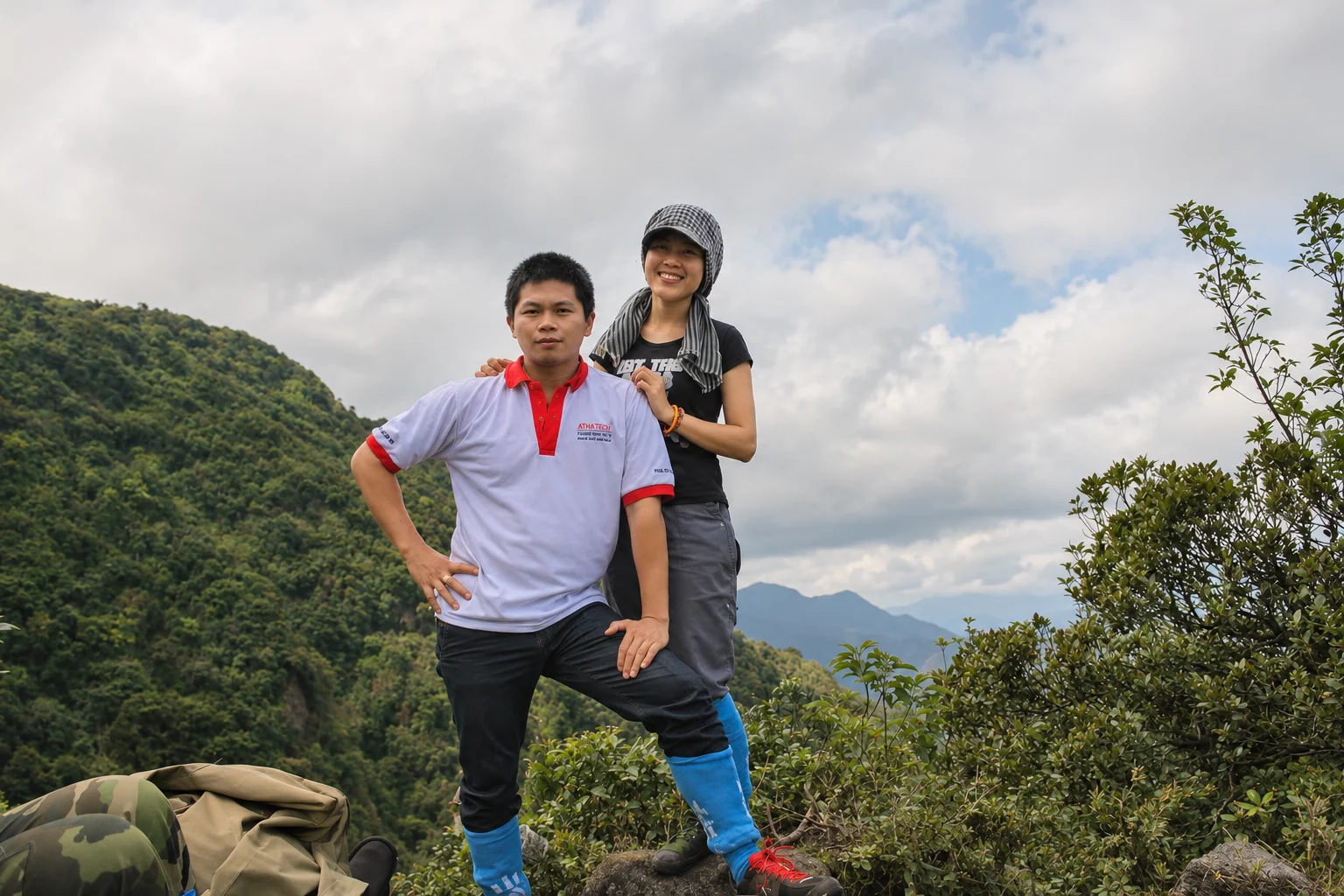
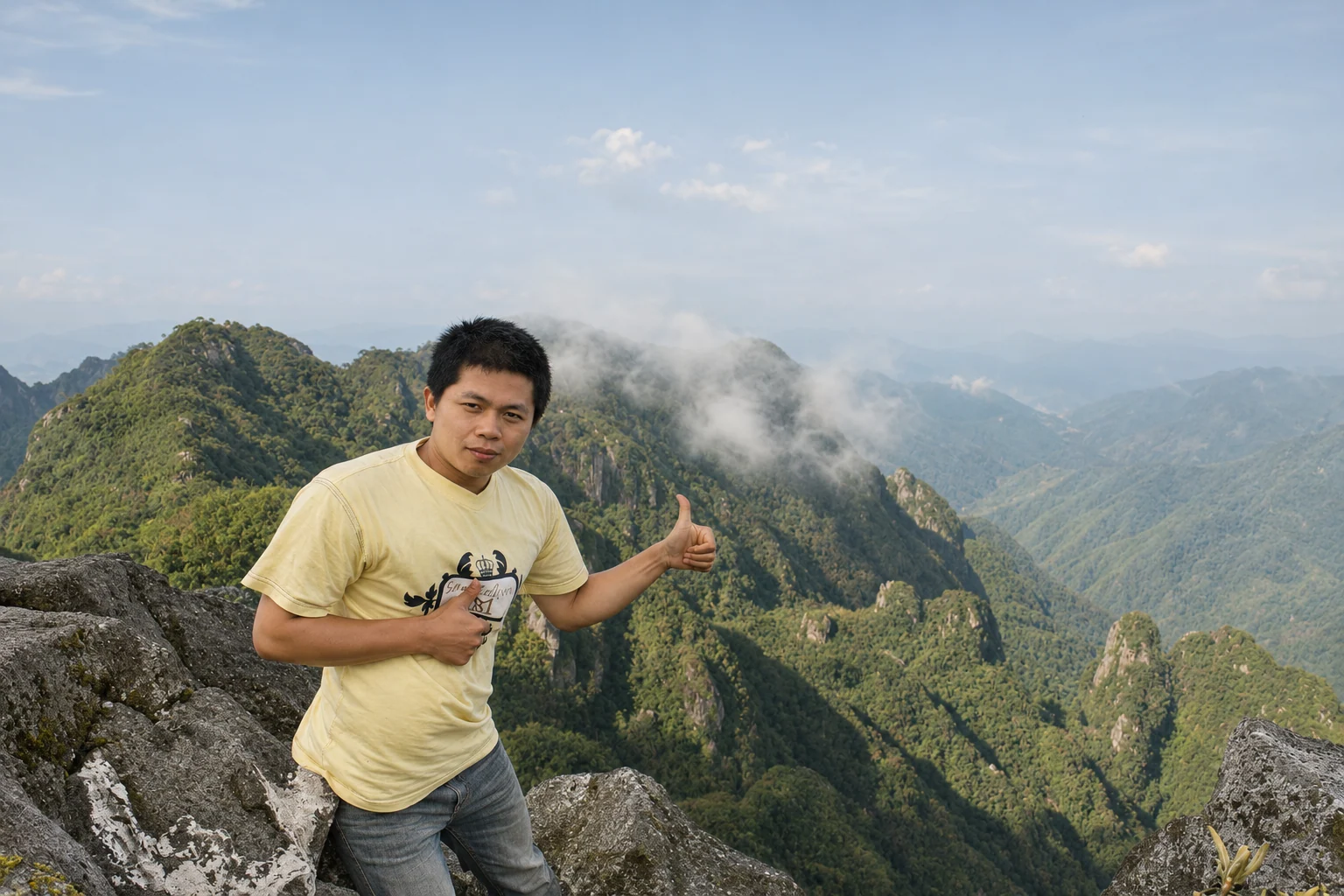
Without realizing it at the time, the camera we carried did something none of us expected: it preserved a chapter of our youth. Those frames hold our companions, the woodland trails, the roadside breaks, and the steep slopes we crossed on foot—even though back then, we were simply trying to capture beautiful scenery.
Years later, those photographs have turned into a quiet diary of strength, enthusiasm, and the freedom to devote several days to an adventure. A landscape may stay much the same, but the people who once stood in it will never be quite the same again.
That's why our 2012 photos mean so much to us: their value isn't about sharpness, color, or composition, but the fact that they tell the story of something we truly lived. Looking at them brings back the physical effort, the laughter, the uncertainty, and the satisfaction that no lens could ever capture in full.
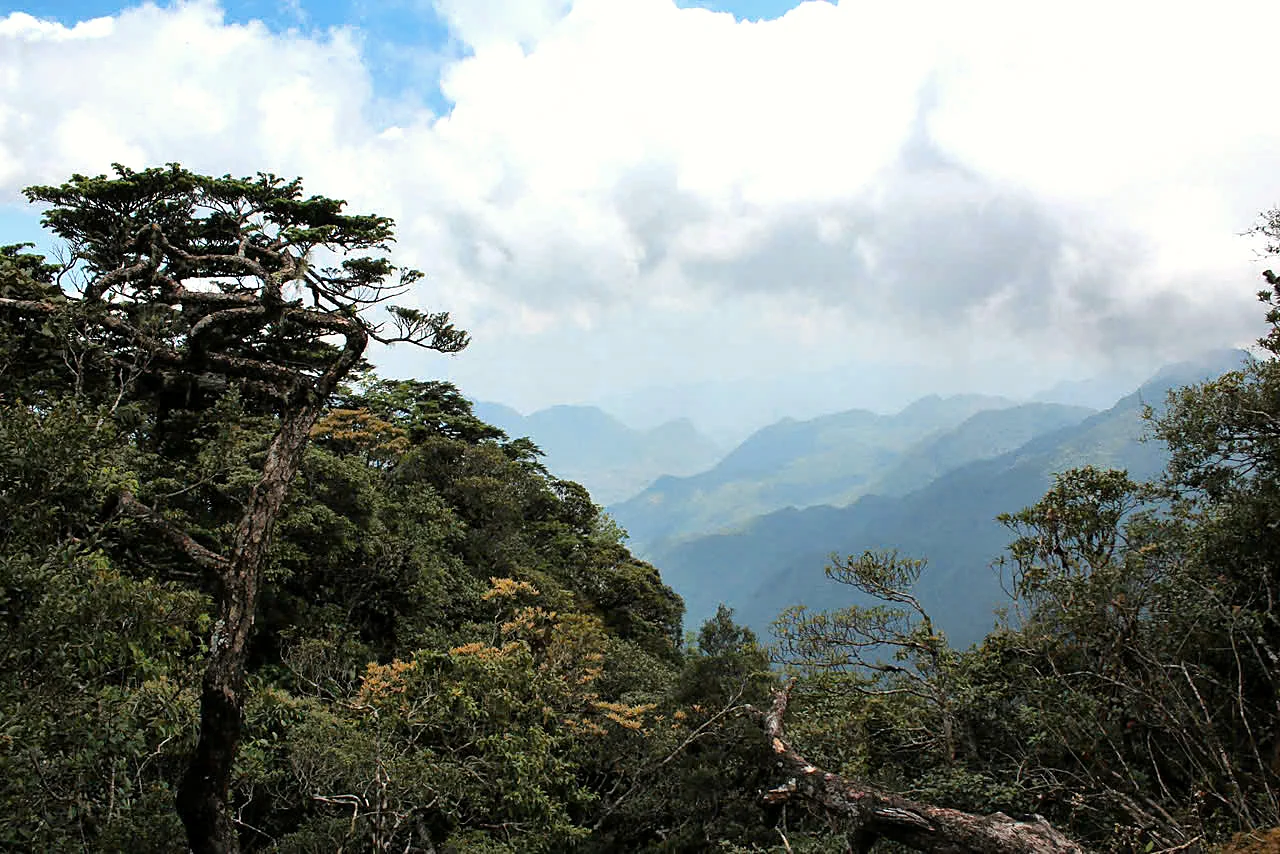
Before and after the cable car: two kinds of Fansipan experience
When the Fansipan cable car began operating on February 2, 2016, the high mountain suddenly became far more accessible. Visitors who aren't able to take on a demanding multi-day trek can now experience the remarkable mountain scenery, and that accessibility carries real value of its own.
Even so, trekking and riding a cable car offer two very different experiences. A cable car focuses on getting you to the upper mountain, while hiking makes the journey itself the heart of the story—where nights in the forest, tired legs, good company, and the steady climb all weave into the memory.
Our expedition belonged to the years before that shift.
That doesn't mean everything in the past was better; it simply means we were lucky enough to experience a demanding climb at a stage of life when our energy and hunger for exploration made it possible, proving that Fansipan can be meaningful in more than one way.
If you want to trek Fansipan today
For younger travelers looking for a genuine adventure, Fansipan is still an exciting prospect. Commonly discussed routes include Tram Ton, Sin Chai, and Cat Cat, though difficulty, duration, and access conditions vary—so it's best not to treat our four-day, three-night trip in 2012 as a fixed template for a modern hike.
If you decide to go, build up your endurance beforehand, wear hiking boots with solid grip, and pack waterproof layers, warm clothing, and a headlamp. Always check the weather forecast, current Hoang Lien National Park regulations, trekking registration rules, and route openings before you set off.
Go with experienced guides or a reputable trekking operator, never wander into closed or restricted areas, carry all your trash back down, and respect the local communities along the way. The best adventures are the ones that leave you with lasting memories while keeping both you and the environment safe.
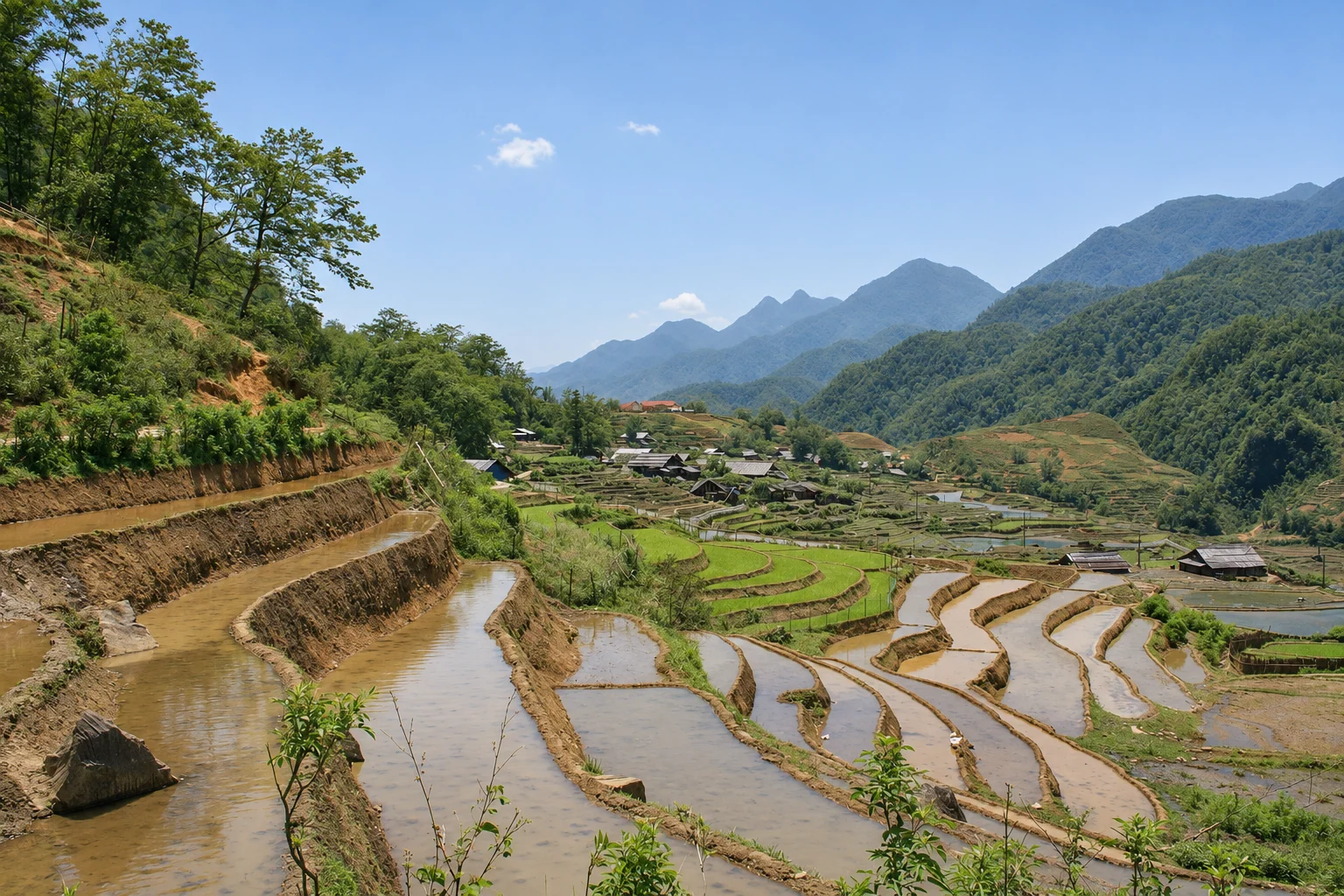
Trekking Fansipan today: choose your own adventure
This practical guide offers extra context for present-day travelers, rather than filling in unrecorded details from the author's 2012 trip.
Hiking through the forest
Best for travelers who want to experience the Hoang Lien wilderness on foot. It takes solid fitness, enough time, proper guiding, and a backup plan for shifting mountain weather.
Taking the cable car
Ideal for visitors who want sweeping high-mountain views on a tighter schedule or prefer not to tackle a strenuous trek. It's a different kind of experience altogether, not just a shortened version of the forest trail.
Before you set off
Is a four-day, three-night hike the standard itinerary today?
No. It describes the author's 2012 experience. Modern trek duration depends on the permitted route, fitness, weather, operator and current park rules.
Can I hike Fansipan without a guide?
Do not enter protected forest trails independently without verifying the rules. Confirm registration, access and guiding requirements with Hoang Lien National Park or a properly authorized operator. Historic routes may not all be open.
What should I pack for Fansipan?
Grippy hiking boots, insulating layers, waterproof clothing, water, a headlamp, first aid and waterproof protection for belongings. Agree on the exact list with your guide for the planned trek and weather.
What is the biggest difference between trekking and the cable car?
The cable car centers on the summit scenery and access. Trekking involves time in the forest, endurance and a shared group experience. Both can be rewarding for different travelers.
Do not leave your youth as an unfinished plan
Once family life and new responsibilities take hold, carving out four consecutive days and three nights for a remote mountain trek gets much harder. We could always go back to Fansipan one day, but we could never relive the exact youth we had in 2012—which is why, whenever I open those old photos, I see far more than mountains and trees.
I see the grit of friends who faced a challenge together, the brightness of a time full of energy, and the freedom of choosing a tough adventure over an easy trip. If you love exploring, go while you have the chance—prepare seriously, and respect your own limits.
One day, the hardest paths you chose might just become the memories you treasure most; for us, Fansipan in 2012 will always mean four unforgettable days and three nights, a camera full of stories, and a piece of our lives that can never be bought or repeated.