Vietnam Dress Code, Temple Etiquette, Tết & Cultural Dos and Don'ts (2026)
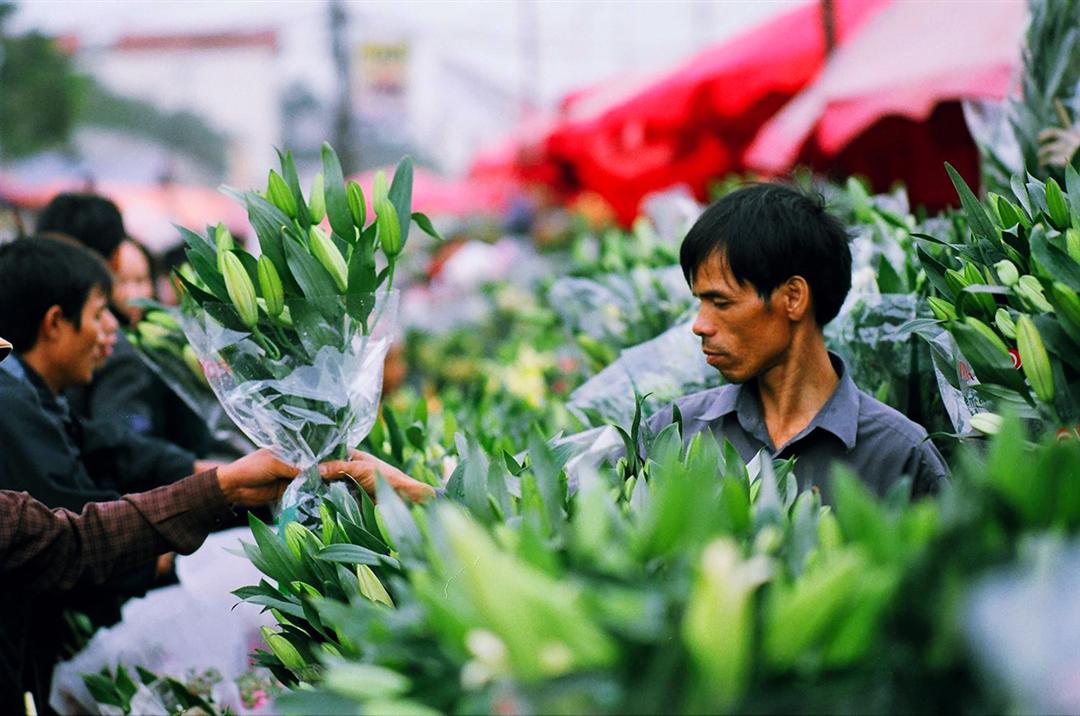
Photo Nguyen Dung Tien · CC BY-SA 2.0 · Resized

5-Second Summary
Cover shoulders and knees at pagodas and the Ho Chi Minh Mausoleum, remove shoes at temples and local homes, pass money or gifts with both hands, stay calm to preserve saving face, avoid crossing your fingers or sticking chopsticks upright in rice, and book transport early around Tết, April 30–May 1, and September 2.
1. Dress Code: Cities, Beaches, Pagodas & Ground Altars
In major cities like Hanoi and Ho Chi Minh City, locals wear modern fashion freely. Outside urban nightlife zones, however, Vietnamese culture values modesty—swimwear belongs strictly on the beach or at resort pools, and men should not walk shirtless in town streets (Vietnam Tourism – Vietnamese Etiquette for Travellers).
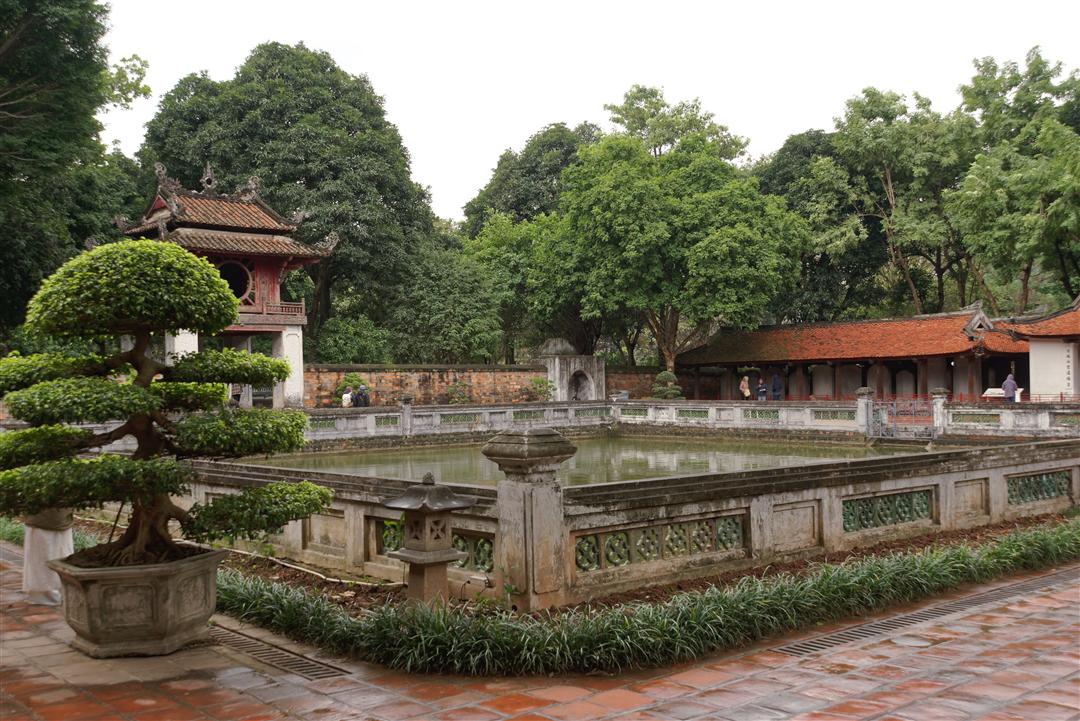
Photo Jakub Hałun · CC BY 4.0 · Resized

- Pagodas, Temples & Ho Chi Minh Mausoleum: Wear shirts covering your shoulders and trousers or skirts below the knee. Always remove your hat and shoes before stepping inside prayer halls (carrying a lightweight scarf or linen overshirt in your daypack solves sudden temple stops).
- Enter via Side Doors & Respect the Altar: Many traditional pagodas have three front gates—enter and exit through the side doors rather than the central ceremonial threshold, keep your voice low, and never turn your back directly against the main Buddha altar for selfies.
- Watch Out for Ground-Level Shop Altars: Vietnamese shops, cafés, and homes keep small wooden altars (bàn thờ Ông Địa / Thần Tài) on the floor near the entrance. Never step over them or walk directly across their front line (Vietnam Tourism).
2. Saving Face, Hand Gestures, Chopsticks & Salutations
- Practice "Saving Face" (Giữ thể diện): Publicly shouting, pointing fingers, or scolding someone over a billing or order error causes severe embarrassment and makes people shut down. A calm voice and a smile solve problems twice as fast. Keep public displays of affection (PDA) understated.
- Hand Gestures to Avoid & Passing with Both Hands: Crossing your fingers for good luck—a harmless Western habit—is considered highly impolite in Vietnam (Vietnam Tourism). Avoid pointing directly at people or touching anyone's head. Always pass cash, cards, or gifts using both hands or your right hand, and beckon with fingers pointing downward rather than upward.
- Dining & Chopsticks Etiquette: Vietnamese meals are shared family-style. Wait for the eldest person to lift their chopsticks first, never stick chopsticks upright into a rice bowl (it resembles funeral incense), and join group toasts with "Một, hai, ba, dô!" (1, 2, 3, cheers!).
- Polite Salutations: Instead of "excuse me," Vietnamese speakers address people warmly by age: Em ơi (younger), Anh ơi / Chị ơi (older brother/sister), Chú ơi / Cô ơi (uncle/aunt), or simply "Bạn ơi" (friend) if unsure.
- Home Visits & Photography: Remove shoes at the front door, bring fruit, pastries, or soft drinks (avoid black-wrapped gifts), and always ask before taking close-up portraits of ethnic minority elders, monks, or market vendors. Never photograph military bases or police checkpoints (GOV.UK).
3. Tết (Lunar New Year), Spring Festivals & National Holidays
Tết falls on 6 February in 2027. The announced public-sector break runs for seven days, from 4 through 10 February. Confirm opening hours and transport schedules directly before you travel. Vietnam Government Portal
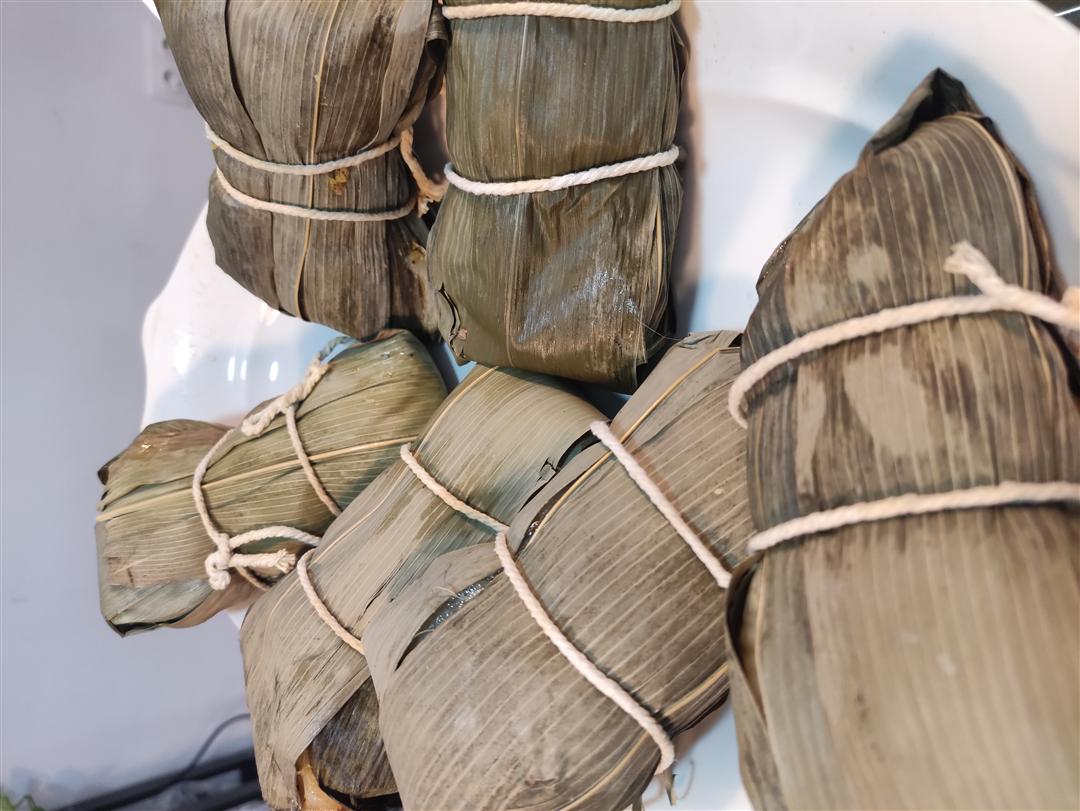
Photo Francesc Fort · CC BY-SA 4.0 · Resized

| Holiday / Season | Typical Timing | What Travelers Should Expect |
|---|---|---|
| Tết Nguyên Đán (Lunar New Year) | Late Jan – Mid Feb (9-day break) | Vibrant flower markets beforehand; quiet streets Days 1–3; many local eateries close 3–5 days (10–30% holiday surcharge at open spots); trains/flights sell out early. |
| Post-Tết Spring Festivals | 1st – 3rd Lunar Month | Colorful temple pilgrimages across the North: Huong Pagoda, Yen Tu, Lim Festival, Tran Temple (Spring Festivals Guide). |
| Hung Kings' Commemoration Day | 10th Day of 3rd Lunar Month (April) | National holiday—expect busy highways and domestic tourist sites. |
| Reunification & Labor Day | April 30 – May 1 | Peak domestic beach rush (Da Nang, Nha Trang, Phu Quoc, Ha Long)—book hotels and flights early. |
| National Day | September 2 (multi-day break) | Patriotic flags, fireworks, and heavy domestic holiday travel nationwide. |
4. North vs. Central vs. South Vibes & Respectful Bargaining
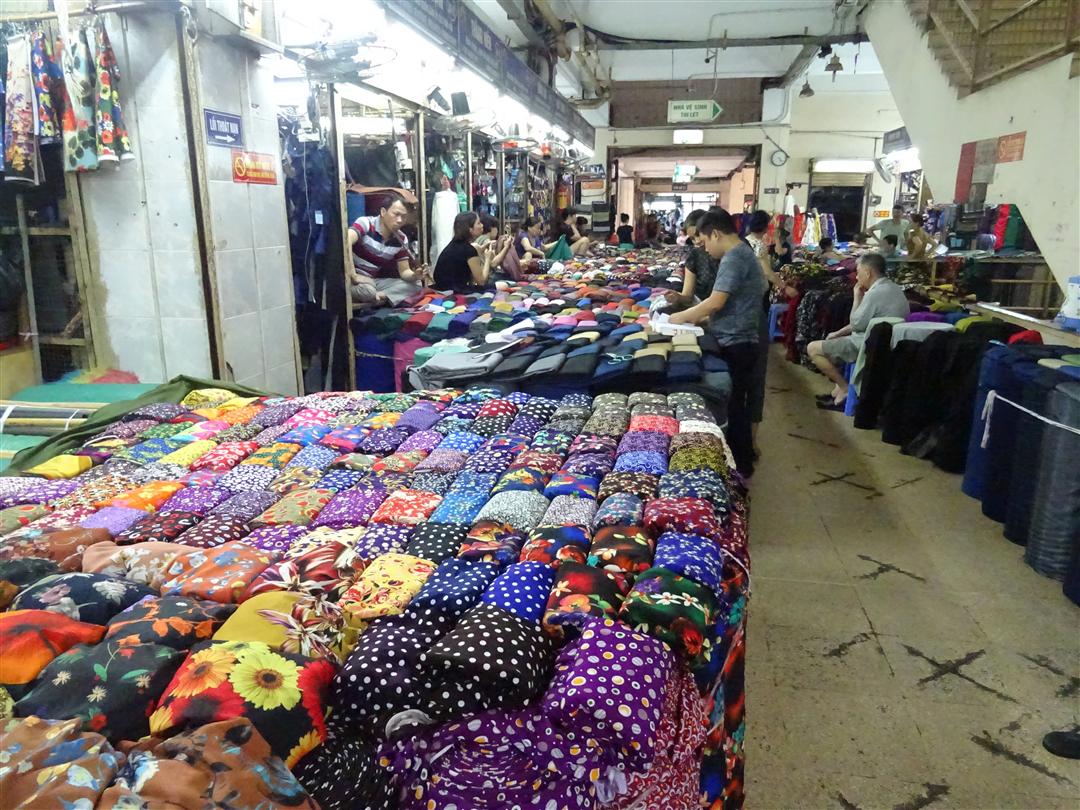
Photo Christophe95 · CC BY-SA 4.0 · Resized

- North (Hanoi): More formal, heritage-proud, and reserved at first—polite greetings and patience earn warm hospitality.
- Central (Hue & Hoi An): Gentle, soft-spoken, and deeply rooted in royal and ancestral customs.
- South (Ho Chi Minh City & Mekong Delta): Fast-paced, casual, and openly friendly—easygoing banter and nhậu (social dining) are central to daily life.
- Market Bargaining Without Tension: In tourist markets (not fixed-price supermarkets), smile and counter-offer 50–70% of the initial quote only if you genuinely plan to buy, and avoid aggressive haggling over 10,000 VND ($0.40) with elderly street vendors.
- Plan Your Complete Trip: Connect these cultural tips with our Vietnam Weather & Best Time to Visit, Vietnam Money & Tipping Guide, Vegetarian & Food Allergy Guide, and First Time in Vietnam Guide.
5. Ethnic Minority Cultures: Hmong, Thai, Tay, Red Dao & Central Highlands
Vietnam is home to 54 officially recognized ethnic groups stretching from northern karst mountains to the Central Highlands (Vietnam Tourism – Living Heritage & Ethnic Traditions). Knowing local village customs in Ha Giang, Sa Pa, Mai Chau, Ba Be, or Dak Lak turns sightseeing into genuine cultural connection:
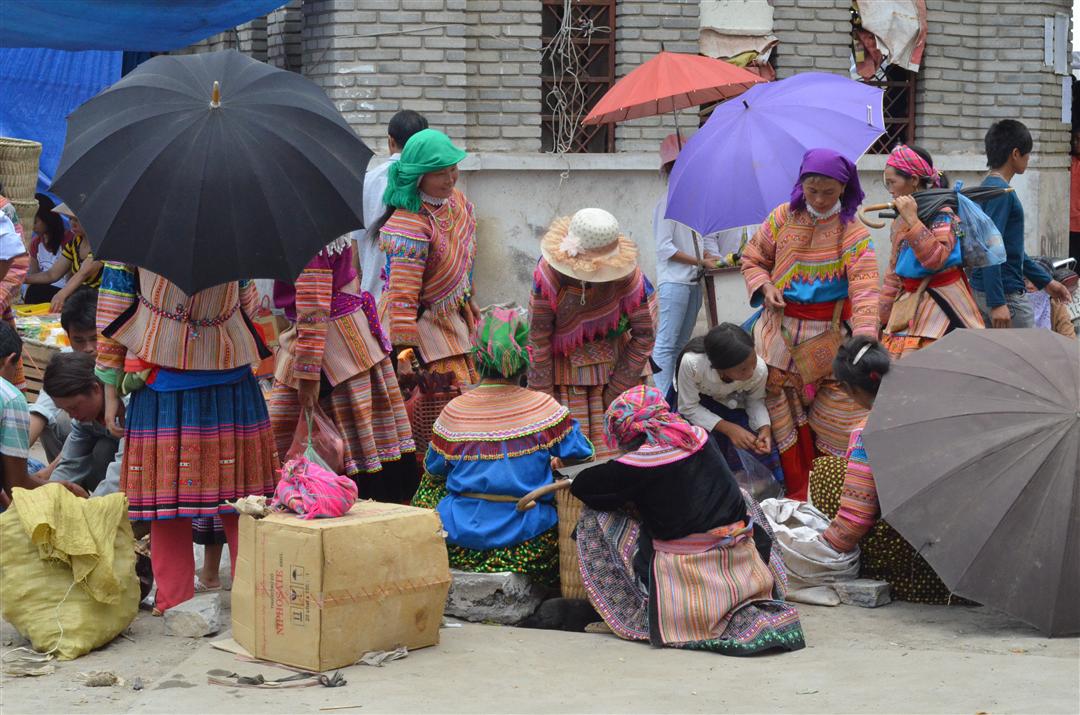
Photo Peter Olshevsky · CC BY-SA 4.0 · Resized

| Ethnic Community | Key Regions | Signature Traditions & Village Etiquette |
|---|---|---|
| H'mong | Ha Giang, Sa Pa, Mu Cang Chai, Bac Ha | Renowned for beeswax batik hemp textiles, intricate indigo embroidery, silver jewelry, Sunday markets (Dong Van, Meo Vac), and warm corn wine hospitality. Key Rule: Never step on the wooden door threshold when entering a traditional house (it is believed to guard the household spirits), avoid whistling indoors at night, and never touch the central house pillar or altar. |
| Thai | Mai Chau, Son La, Moc Chau, Dien Bien | Known for airy wooden stilt houses (nhà sàn) beside lush rice valleys, the UNESCO-recognized Xòe Thái circle dance, embroidered piêu headscarves, and bamboo-tube sticky rice (cơm lam). Key Rule: Leave shoes at the foot of the wooden stairs, do not sit with your back to the family altar, and accept rice wine with both hands. |
| Tay & Nung | Ba Be Lake, Cao Bang, Lang Son, Ha Giang | Distinguished by minimalist natural indigo-dyed cotton tunics, soothing Hát Then lute music, lakeside stilt-house homestays, and the spring Lồng Tồng (Going-to-the-Field) festival. |
| Red Dao & Central Highlands (Ede, Ba Na, Gia Rai) | Sa Pa, Hoang Su Phi & Buon Ma Thuot, Kon Tum | Red Dao women wear striking crimson tassels and silver coins and are famous for herbal forest baths; Central Highlands communities center village life around towering Nhà Rông communal roofs, longhouses, and UNESCO Gong Culture. |
6. Frequently Asked Questions
1. What should I wear to pagodas and temples in Vietnam?
Cover your shoulders and knees, and remove your shoes and hat before entering prayer halls.
2. Is Tết (Lunar New Year) a good time to visit Vietnam?
Yes for culture and flower markets, provided you book transport months ahead and expect 3–5 days of local restaurant closures around Days 1–3.
3. Which hand gestures are rude in Vietnam?
Avoid crossing your fingers for luck, pointing at people, patting heads, or passing items with your left hand only—use both hands or your right hand.
4. What does "saving face" mean in Vietnam?
Keeping interactions calm and respectful—never shout or embarrass staff in public.
5. Which holidays cause the biggest domestic travel crowds?
Tết, Hung Kings' Day, April 30–May 1, and September 2.
Author Note: Independently researched and field-checked by van-anh-tuixinh with zero sponsorships. Read more on our About page or reach out at tuidep1986@gmail.com.